 search
 English
 English
 Español
 русский
Industrial News
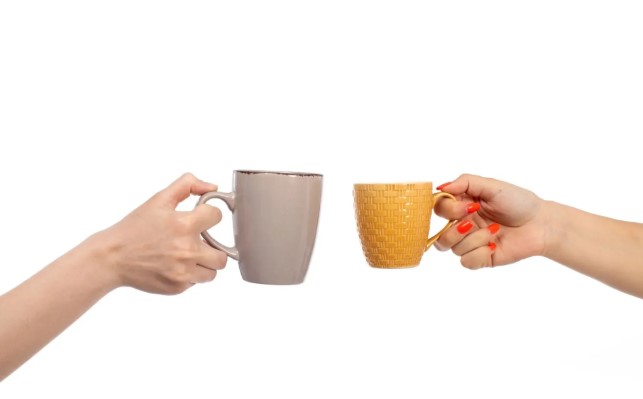
A simple household object has quietly acquired renewed attention: the humble mug. Reporters and lifestyle analysts are noticing a steady shift in how people repurpose mugs beyond their traditional role as containers for warm drinks. The term Auto Mug is being used in conversations about design flexibility and practical living, and it appears in both product planning and everyday suggestions as a shorthand for mugs that are staged for multiple tasks.
Quick summary of the trend
Mugs have been reinvented in informal ways across kitchens, desks, and dressing tables. From holding stationery to serving as makeshift vases, mugs are being valued for portability, stability, and aesthetic charm. The movement is rooted less in novelty and more in simple problem solving: people want small, attractive containers that keep frequently used items visible and accessible. At the same time, the label Auto Mug has begun to appear in conversations where designers and everyday users emphasize modularity — mugs that move between tasks easily, and that require little rethinking of storage systems.
Why mugs are being rethought
Modern households prioritize flexible solutions. A mug combines several practical traits — a comfortable rim, a stable base, an opening that fits hands and tools — which makes it well suited to many short-term storage and display roles. Observers point out that a single well-chosen mug can reduce clutter, provide small-scale organization, and add visual interest without elaborate storage furniture.
- Comfort and ritual — holding a mug can be an anchor for brief pauses during a busy day.
- Convenience — a mug at arm’s reach makes it easy to grab common items without opening drawers.
- Aesthetic reuse — mismatched or decorative mugs create a lively and personal display when used as planters or vases.
Practical uses that readers can try today
Below are categories of use that are both easy to adopt and simple to reverse when needed. Each use respects the mug’s basic form and avoids permanent modification.
Kitchen and table
- Sip and cradle: The classic use remains valuable for moments of calm and for a portable drink holder.
- Soup and broth: Mugs provide a compact serving vessel for warm, spoonable dishes that are easy to consume while standing or moving about.
- Utensil organizer: Keep reusable straws, chopsticks, or stirring spoons together on the counter for quick access during meal prep.
Workspace and crafts
- Desk corral: Pens, markers, and brushes stand upright and remain visible, helping to reduce time spent searching for tools.
- Craft caddy: Small project pieces — thread spools, beads, or tiny tools — can be gathered in a mug while a task is in progress, then emptied back into storage afterward.
Home and décor
- Mini planter cover: Slip a small nursery pot into a mug to disguise plain plastic and create a tidy windowsill display for herbs or small succulents.
- Tiny vase: A cluster of stems from a garden or market can be arranged in a mug to add a casual centerpiece to a table or shelf.
- Accessory tidy: Hairbands, clips, and a few combs kept in a mug reduce the chance of losing small items and keep surfaces tidier.
Mug uses, benefits, and suggested locations
| Use category | Typical items or content | Practical benefit | Suggested location |
|---|---|---|---|
| Beverage & food | Warm drinks; brothy soups | Comfort; portability; low cleanup effort | Near seating or kitchen counter |
| Desk & craft | Pens; brushes; small tools | Improved visibility; less drawer clutter | Home office or craft table |
| Kitchen organizer | Straws; chopsticks; utensils | Easy access; fewer drawer searches | Near stove or prep area |
| Plant display | Small potted herbs; succulents | Decorative; easy watering routine | Windowsill or kitchen shelf |
| Décor & display | Fresh-cut stems; decorative items | Casual centerpiece; personal style | Dining table or entry shelf |
| Personal care | Makeup brushes; combs; tweezers | Streamlined routine; reduced countertop mess | Dressing table or bathroom shelf |
Design and sustainability considerations
Design-minded homeowners suggest choosing mugs that are durable and visually versatile. A cup that has a simple silhouette and a pleasing finish will transition more easily between roles. Sustainability advocates add that reusing existing mugs instead of buying single-purpose containers reduces material consumption and extends the life of everyday objects.
- Material resilience — ceramic and tempered materials are common choices for long-term use.
- Visual cohesion — selecting a few mugs that complement a room’s palette helps form a coherent display.
- Reusability — rotating items through different mug-based uses discourages impulse purchases of disposable containers.
Social and cultural angles
The renewed attention on mugs reflects wider tendencies toward small-scale personalization and mindful consumption. People are sharing mug-reuse ideas on community boards and in local exchange groups, where donors often offer sets of mismatched cups that are perfect for secondary uses. Designers who follow these grassroots trends note that the appeal is partly sentimental: a cherished mug can remain visually present even once it stops being used every morning for a drink.
How to adopt the practice without disrupting routines
Adopting mug-based organization is straightforward and reversible. Start by designating one or two spare mugs for non-food roles. Keep them in visible spots where their function is clear to all household members. Rotate uses across rooms to discover where a mug offers the greatest convenience.
- Start small — repurpose a single mug as a pen holder before expanding to other rooms.
- Maintain hygiene — if a mug holds food or plants at different times, rinse and air-dry it between uses.
- Signal function — place items inside a mug deliberately to communicate its role at a glance.
What observers say about the Auto Mug idea
Analysts tracking lifestyle shifts note that terms like Auto Mug surface when an object crosses from one function to several predictable functions. The phrase captures a blend of automation in the sense of effortless role change and the mug’s readiness to accept new tasks. Advocates for simple living frame this as alignment with AIO (all-in-one) habits and with GIO, which some organizers use to describe general interest optimization — practices that aim to serve multiple household needs with minimal fuss.
The Auto Mug in Daily Life Going Forward
The mug’s versatility demonstrates how ordinary objects can be reimagined to meet everyday needs with little expense and minimal disruption. As people continue to seek small ways to organize, beautify, and economize their living spaces, multi-role mugs provide low-barrier opportunities for creativity. Whether used to cradle a warm drink, to host a tiny plant, or to tidy a desk, a redeployed mug makes a small but tangible difference in daily life. For those interested in exploring curated designs or practical kits that support these uses, consider checking resources from dedicated makers, such as automugfactory, which gather ideas and supply options for people who want to integrate multipurpose mugs into their routines.
 Previous