 search
 English
 English
 Español
 русский
Industrial News
Frosted plastic drinking glasses have found a place in conversations about food photography for a reason that has little to do with beverage service itself. As restaurants publish more menu images, seasonal promotions, and social media content, tableware has become part of the visual composition. Cups that once served a purely practical purpose are now selected alongside plates, napkins, and serving boards to create a consistent dining image.
The discussion is not about replacing glass with plastic. Instead, it focuses on how different materials behave under studio lights, natural daylight, and mobile phone cameras.
Visual Balance Often Starts With The Table
Photographers rarely begin by adjusting the food.
They usually look at everything surrounding it.
A glossy surface can reflect overhead lighting and nearby objects, drawing attention away from the meal. A heavily textured cup may compete with colorful dishes instead of supporting them. Because of that, creative teams often test several table settings before deciding which one appears in a final image.
During these trials, frosted plastic drinking glasses are sometimes included because the matte finish diffuses light rather than producing strong reflections. The cup becomes part of the background instead of becoming the center of the photograph.
For restaurants updating digital menus, that subtle difference can save editing time after a photo session.
Small Design Choices Can Influence A Photograph
Professional food photography is built from many details that customers may never consciously notice.
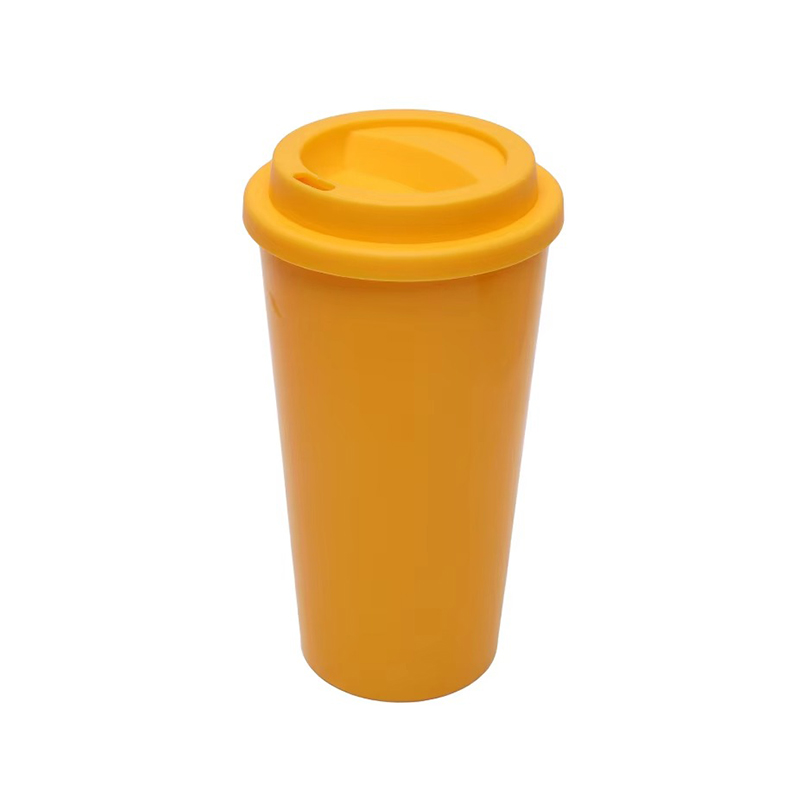
The height of a cup changes the balance of a table setting. The rim affects how beverages appear from different camera angles. Even the distance between a glass and a dinner plate influences the composition.
Designers therefore evaluate drinkware as part of the overall arrangement rather than as a separate product.
In several commercial photo projects, frosted plastic drinking glasses have been paired with ceramic tableware, wooden serving boards, and neutral-colored linens to produce a softer visual style. The objective is not to make the cup stand out but to help the meal remain the strongest element in the frame.
Another item frequently chosen for the same reason is matte drinkware, especially when restaurants create consistent image libraries for websites and printed menus.
Lighting Conditions Are Not Always Predictable
Restaurants photograph food in many different environments.
Some rely on professional studios, while others capture images inside dining areas before opening hours. Cafés often work with window light because it produces a natural appearance without extensive equipment.
Different lighting conditions create different challenges.
Bright reflections may hide beverage colors, while uneven highlights can make a simple drink appear distracting in photographs. A softer surface reduces some of those effects without requiring additional editing.
That practical consideration explains why frosted plastic drinking glasses sometimes appear in photography planning discussions even before the menu itself is finalized.
Consistency Matters Across Digital Platforms
One photograph rarely appears in only one place.
The same image may be used on a restaurant website, an online ordering platform, printed promotional materials, digital advertisements, and social media posts. Because every platform crops images differently, visual consistency becomes increasingly important.
Creative teams often prepare a complete collection of photographs during a single production day. Matching tableware across every scene helps maintain a recognizable brand style throughout the campaign.
Within those projects, frosted plastic drinking glasses can provide a uniform appearance from one photograph to another because fingerprints and strong reflections are generally less noticeable during repeated handling.
The same approach is commonly applied to matte drinkware, which allows different beverage styles to appear cohesive across an entire menu collection.
A Practical Detail With A Visual Role
Food presentation continues to evolve alongside digital marketing, but not every improvement comes from changing recipes or tableware designs. Sometimes the adjustment involves choosing accessories that work more naturally with modern photography.
Within that broader process, frosted plastic drinking glasses have become one of many practical options considered during menu photography, seasonal campaigns, and promotional content creation. Their role is relatively quiet, yet it illustrates how restaurants increasingly evaluate everyday products through the lens of visual communication. As more hospitality businesses refresh online menus and promotional images, frosted plastic drinking glasses are likely to remain part of those creative planning discussions without becoming the main focus of the picture itself.
 Previous