 search
 English
 English
 Español
 русский
Industrial News
A car mug is a small product, but the expectations around it are not small at all. Buyers usually want a cup that fits a vehicle cup holder, feels steady in the hand, handles daily use, and matches the look of a brand or retail line. Some projects need a simple travel cup. Others need a product built for office commutes, road trips, gift programs, or private label ranges. In each case, the supplier has to balance structure, material choice, appearance, and production flow without creating friction for the buyer.
For manufacturers, the real task is not only making a cup. It is shaping a product that works in a vehicle environment and still supports branding, packaging, and repeat orders. A Car Mug Supplier has to read those needs early, then turn them into practical choices that fit the project. That process usually starts with the buyer's use case and moves through fit, material, sample review, production control, and delivery planning.
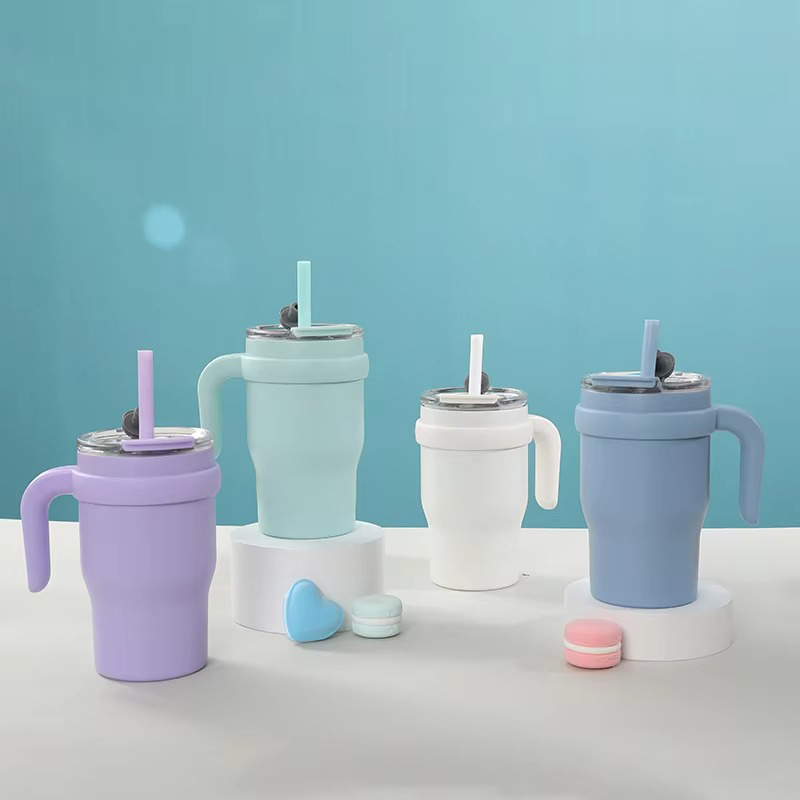
What Should You Know About Choosing a Car Mug Supplier for Custom Orders
Before any design work begins, the buyer needs a clear idea of what the product is meant to do. A commuter cup, a promotional gift, and a retail drinkware item may look similar on paper, yet the priorities can be very different. One project may focus on spill control. Another may care more about appearance. A third may need packaging that suits shelf display or gift presentation.
A useful starting point is to define the daily setting for the product:
- Is it meant for short city driving or longer travel
- Does it need to sit in a narrow cup holder
- Should it handle hot drinks, cold drinks, or both
- Is the focus on gifting, resale, or brand promotion
- Will the buyer need printed graphics, color matching, or boxed packaging
These questions shape the rest of the project. They also help avoid vague communication, which can slow down sampling and lead to later revision. When the purpose is clear, the supplier can guide the buyer toward a more workable structure.
Which Factors Matter When Selecting a Supplier
A good selection process looks beyond appearance. Buyers often compare prices first, but price alone does not explain whether a project will run smoothly. A more careful review focuses on several practical points: product fit, material options, production control, communication, and the supplier's ability to handle custom work.
| Factor | What to check | Why it matters |
|---|---|---|
| Product fit | Cup shape, base size, lid type | Helps the mug work in daily vehicle use |
| Material choice | Inner body, outer shell, lid parts | Affects feel, weight, and cleaning |
| Sample process | Clarity of sample review and revision | Shows how the project may move forward |
| Production flow | Stability of manufacturing steps | Supports repeat orders and consistent output |
| Communication | Response speed and detail level | Reduces delays and misunderstandings |
| Packaging support | Box style, insert, shipping protection | Matters for retail and gift use |
This kind of review is especially useful when the buyer is planning a custom line. It gives a better picture of how the project will be handled after the first sample is approved. The result is often fewer surprises and a cleaner path from idea to shipment.
How Does Fit Shape the Product
A car mug is judged heavily by fit. If it looks attractive but slides around, tilts too easily, or feels awkward in a holder, users notice quickly. Fit includes the bottom width, overall height, grip area, and the way the lid is shaped. These parts work together, not separately.
Design choices often start with the cup holder. Some vehicle interiors leave little room around the base. Others allow a wider shape but still need a stable bottom. A tall body may hold more liquid, yet it can feel less steady in a moving vehicle. A shorter body may be easier to place and remove, but it must still hold enough volume for the intended use.
The form also affects handling outside the vehicle. A mug that is easy to place in a holder should still feel comfortable when held at a desk, in a meeting room, or while walking between locations. That is why many buyers look for a balanced shape rather than a narrow function.
How Do Suppliers Design Products for Vehicle Use
A supplier working on vehicle drinkware has to think about the product as a system. The lid, body, base, opening, and grip all affect how it behaves in use. A lid that opens too freely may not suit driving. A body that feels too slim may be less stable. A surface that looks smooth may still need a better grip area.
A useful design process often follows this path:
- Start with the intended drink type
- Check the expected use environment
- Confirm base size and overall height
- Review lid movement and closure feel
- Adjust the grip area for comfort
- Check how the mug feels when placed and removed
This is where the supplier's role becomes practical. A manufacturer who understands vehicle use can recommend changes before tooling or mass production. That kind of input can save time, especially when the buyer comes with a concept but not a final structure.
Which Materials Deserve Attention
Material selection affects not only appearance, but also weight, cleaning, and how the product feels in daily use. Some buyers want a light cup. Others want a sturdier feel. Some prefer a matte surface. Others want a smoother look. The choice should support the use case rather than follow trend alone.
| Material area | Common role in the mug | Buyer concern |
|---|---|---|
| Inner body | Contact surface for drinks | Ease of cleaning, feel, and daily use |
| Outer body | Visible shell and branding area | Look, grip, and finish quality |
| Lid parts | Opening and closure function | Comfort, spill control, and fit |
| Seal parts | Helps manage liquid movement | Consistency and closure feel |
| Base element | Contact with cup holder | Stability during vehicle use |
A buyer often benefits from comparing material behavior under real conditions. For example, a finish that looks attractive in a sample room may feel different in a hot car, a cold morning commute, or a busy office setting. That is why the material discussion should stay tied to the actual use case.
How Can Sample Work Support Better Development
Sample work is where ideas become visible. It is also where many details become easier to judge. A buyer may have a concept that sounds clear in a meeting, but the shape, lid feel, and hand balance only become obvious once a sample is in hand. That is why sample review is often one of the most useful parts of the process.
A sample stage can help answer questions such as:
- Does the cup fit the intended holder
- Does the lid open with a comfortable motion
- Does the body feel secure when held
- Does the shape suit the brand style
- Does the finish look appropriate under normal lighting
- Does the package match the sales channel
The purpose of this stage is not only approval. It is also refinement. Small changes at this point can improve the final product without changing the whole direction of the project.
What Quality Checks Should Be in Place
Quality review should not wait until the final shipment. It should happen across the process, from early sample inspection to pre-shipment checking. A clear control routine gives the buyer more confidence and helps the supplier keep output steady.
The checks usually focus on practical points:
- Surface appearance
- Lid closure feel
- Body alignment
- Base balance
- Print placement
- Packaging condition
- Fit between parts
These checks matter because a drinkware product is handled often. Even small issues can affect the user experience. A lid that does not close evenly or a base that feels unstable can weaken confidence in the product. A careful factory process reduces that risk.
For a Car Mug Supplier, quality control is not a single step. It is a chain of checks that supports the project from sample to shipment. When the chain is clear, the buyer can move forward with more confidence.
What Custom Options Do Brands Usually Ask For
Brand projects often need more than a standard product. Some buyers want a logo on the body. Others want a color that matches a retail line. Some need a special box for gifting. Others need a cleaner shape that works for shelf display. These choices can change the way the cup is perceived, even when the core structure stays the same.
Common custom directions include:
- Body color adjustment
- Surface finish choice
- Logo printing or marking
- Lid color matching
- Gift box style
- Insert and inner protection
- Retail packaging layout
| Custom area | Typical use | Effect on the project |
|---|---|---|
| Logo marking | Brand recognition | Helps the mug carry the brand name |
| Color choice | Product line matching | Keeps the line visually consistent |
| Surface finish | Look and hand feel | Shapes the user's first impression |
| Packaging style | Retail or gifting | Affects display and presentation |
| Lid variation | Function and appearance | Changes the user experience |
These choices should be handled with care. Too many changes can complicate production. Too few can make the product feel generic. The right balance depends on the market, the target user, and the buyer's sales channel.
How Should Buyers Work Through the Project With the Supplier
A smooth project usually follows a simple path: define the need, review options, confirm a sample, adjust details, and move into production. This path works well because it keeps the project grounded in real decisions. It also gives both sides a shared reference point.
The buyer can make the process easier by preparing the following points early:
- Product purpose
- Target use setting
- Preferred shape and size range
- Logo or artwork needs
- Packaging expectations
- Order style and delivery plan
The supplier then uses that information to recommend structure, materials, and production direction. When both sides stay aligned, it becomes easier to maintain consistency from the first sample to the final batch. That is especially important in repeat business, where the buyer wants the next order to match the earlier one closely.
For many projects, a Car Mug Supplier is not only a maker of cups. It is also a guide through product choices that affect use, appearance, and delivery. That role matters most when the buyer needs custom drinkware that feels practical in daily life and clear in brand presentation.
 Previous