 search
 English
 English
 Español
 русский
Industrial News
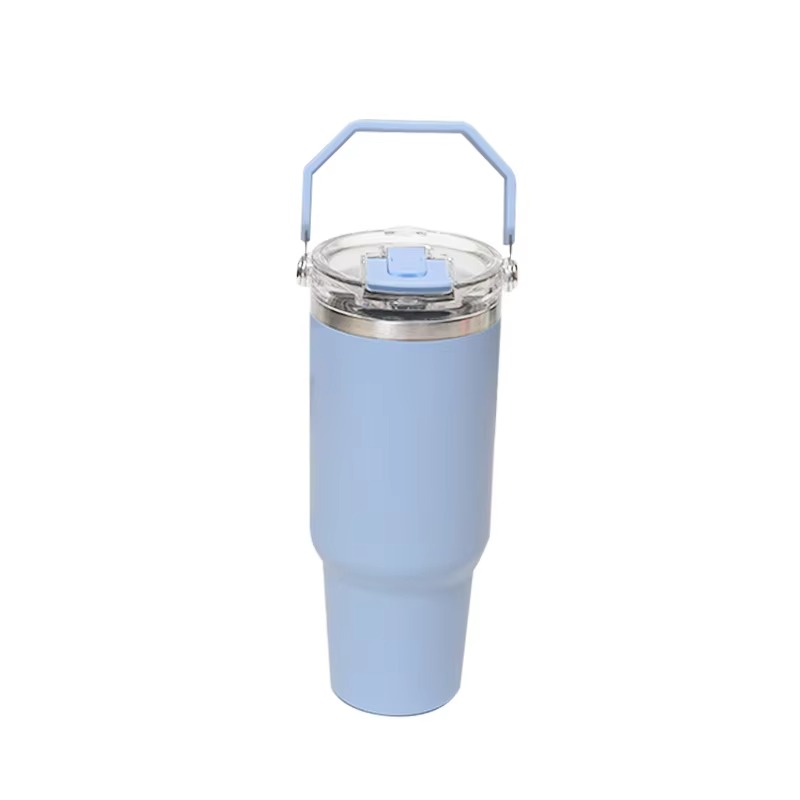
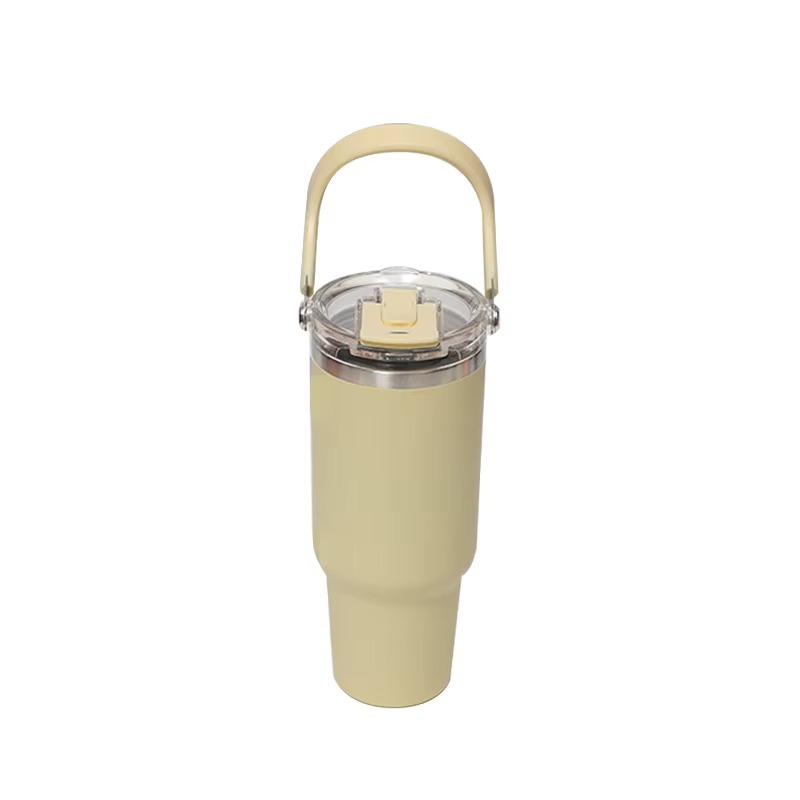
Among the everyday items carried by people across the globe, one product stands out for its remarkable versatility, durable functionality, and significant positive environmental impact: the stainless steel bottle. Once primarily an accessory for outdoor enthusiasts and manual laborers, this resilient container has undergone a remarkable evolution—transcending its utilitarian origins to become a ubiquitous sight in modern offices, bustling gymnasiums, classrooms, and homes worldwide. Its surging popularity is propelled by a powerful convergence of factors: growing public consciousness about health and material safety, continuous advances in materials science and insulation technology, and a profound global cultural shift toward sustainability that prioritizes reducing single-use plastic waste and embracing reusable alternatives as both a practical choice and a statement of values.
This stainless steel bottle is part of your package. High-grade stainless steels, such as 304 or 316 food-grade alloys, provide a non-porous, non-reactive, corrosion-resistant surface. This ensures that the drinks maintain a clean flavor without any metallic background or anything. Also, when made with a double-walled vacuum barrier, steel bottles are outstanding insulators. This technology allows your liquid to stay hot or cold for several hours a day, supporting consistent performance with a seasonal, mobile lifestyle, going for coffee in the morning or a workout in the afternoon.
One of the good things about stainless steel bottles is the environmental concern. Eliminating single-use plastics can make alternatives more sustainable. One stainless steel bottle can replace hundreds, if not thousands, of plastic bottles over its lifetime, significantly reducing plastic pollution and litter in landfills. The material itself is recycled, contributing to a circular economy. This strong sustainability proposition resonates strongly with customers, and the stainless steel bottle seems to be a practical indicator of environmental stewardship.
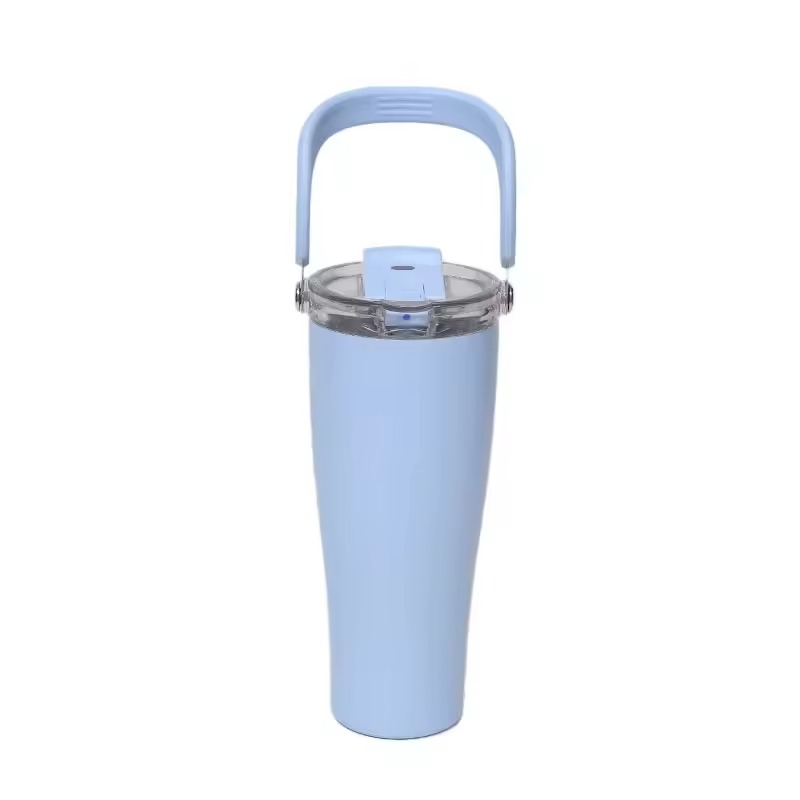
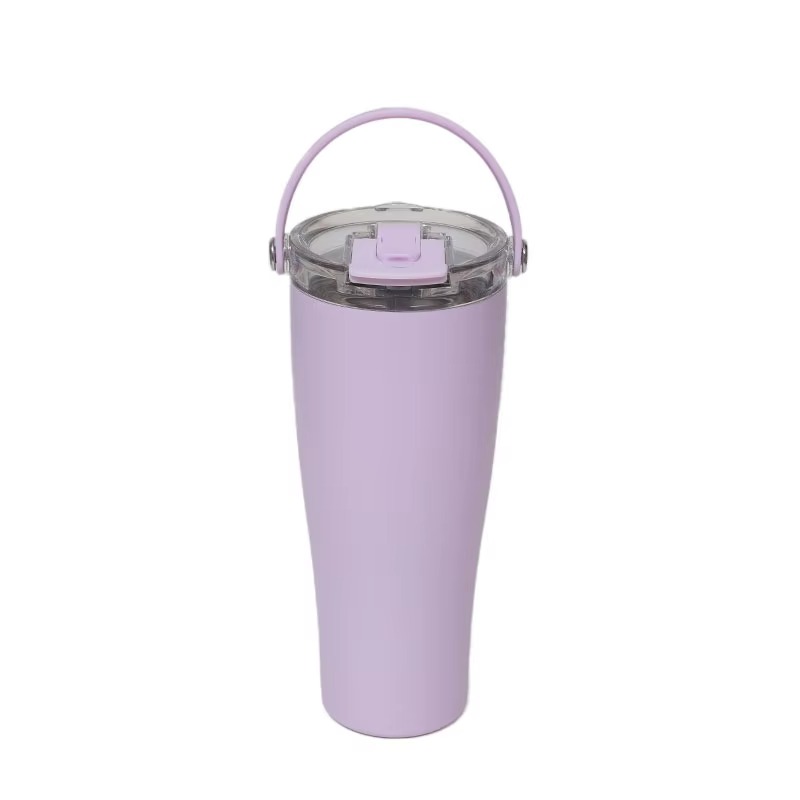
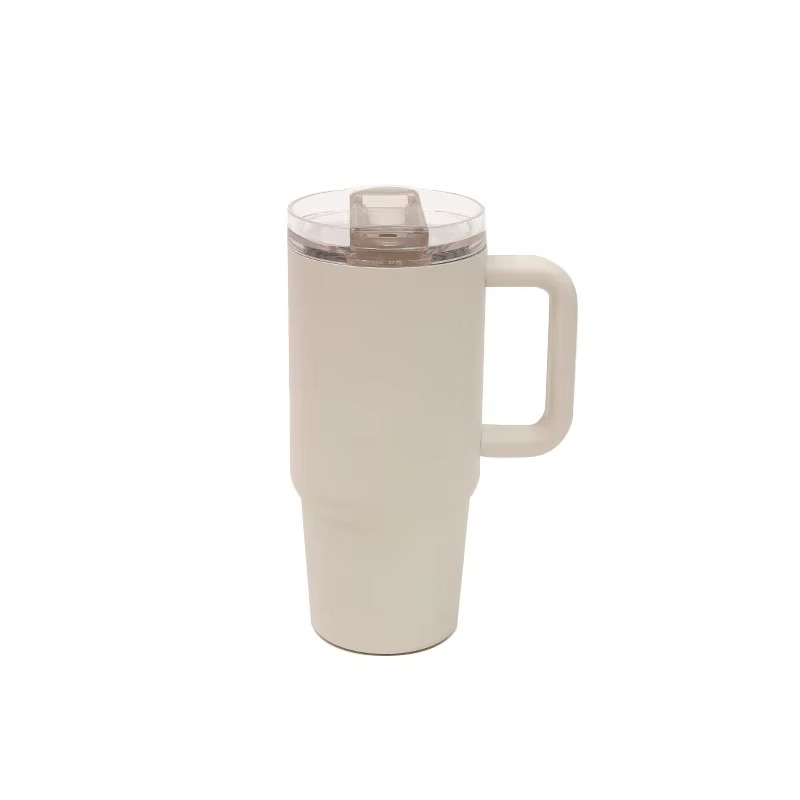
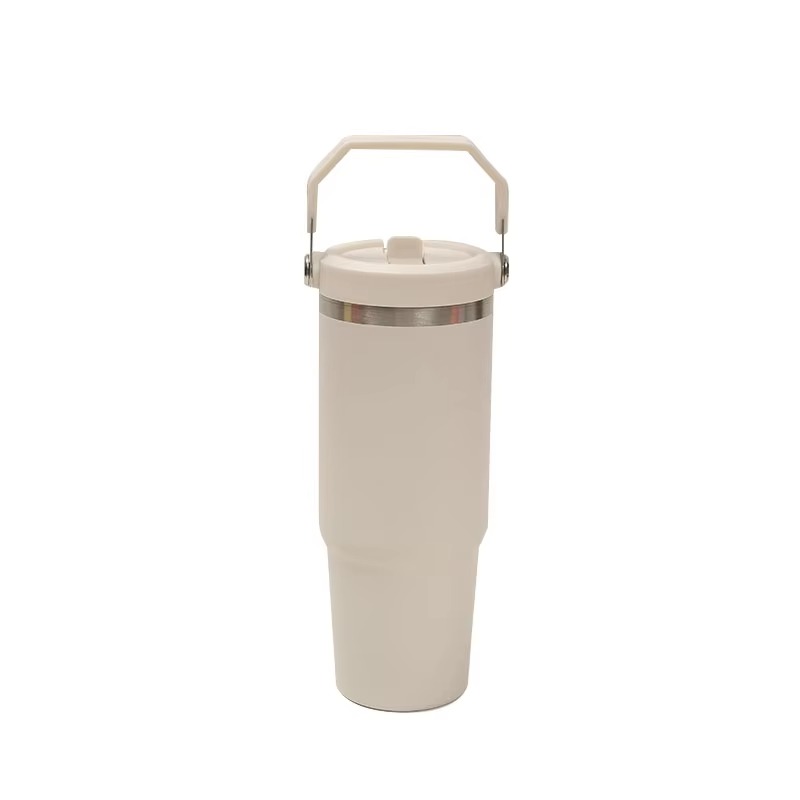
In addition to its practical and environmental benefits, the stainless steel bottle has become a showpiece. Manufacturers offer a variety of designs, from thin cylinders to brushed or polished, powder-coated bottles in a variety of colors and patterns. Features such as wide mouths for easy filling and cleaning, different types of lids including straw lids and flip-tops, and ergonomic grips can meet the user’s unique needs. This versatility allows the stainless steel bottle to function not only as a consumer product, but as a personal care product suitable for a variety of environments, from office space to sports gear.
Health and safety further support the choice of stainless steel bottles. Unlike some plastics, high-quality stainless steel doesn’t leach harmful chemicals, like BPA, into your drinks. This safety profile is especially valued by health-conscious consumers and families. The material’s safety, ease of cleaning and ability to handle odors also make it a great choice for bulk. Its strength – dent-resistant and capable of withstanding daily use – ensures a long life, delivers years of high performance and represents a long-term investment.
The future of the stainless steel bottle market will continue to reflect innovations in high-quality features and user-centric designs. While vacuum insulation technology is great, upgrades include digital hydration trackers, lids that remind users what to drink, or advanced maintenance tips. The long-standing shift towards culture and health and consumption shows that the metal bottle serves its purpose. It is a practical representation of a modern ethos that values sustainability, personal health, and environmental responsibility, combining practical use and productivity in a single, sustainable way.
 Previous