 search
 English
 English
 Español
 русский
Industrial News
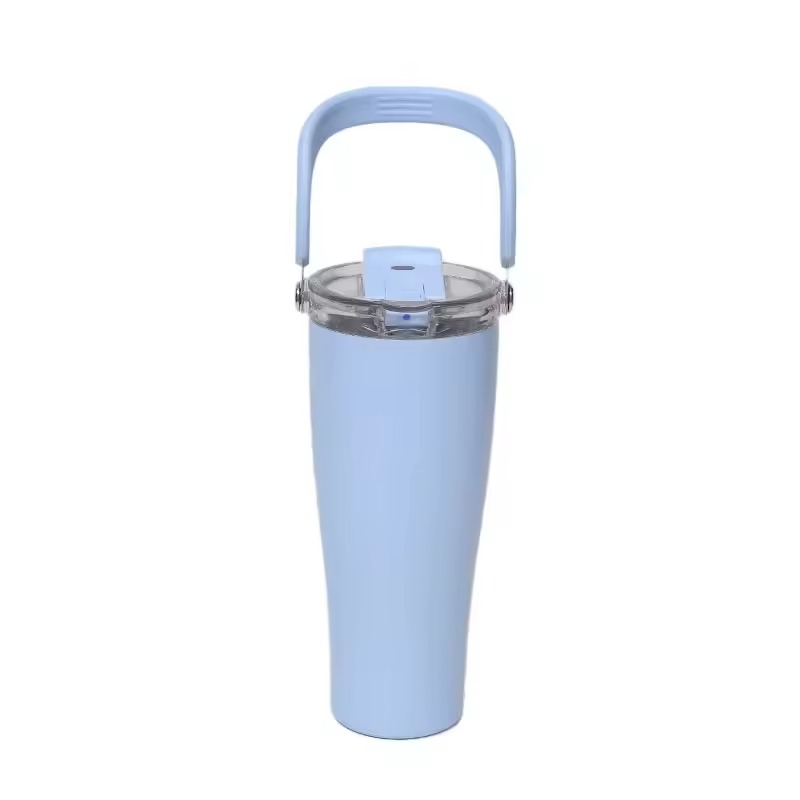
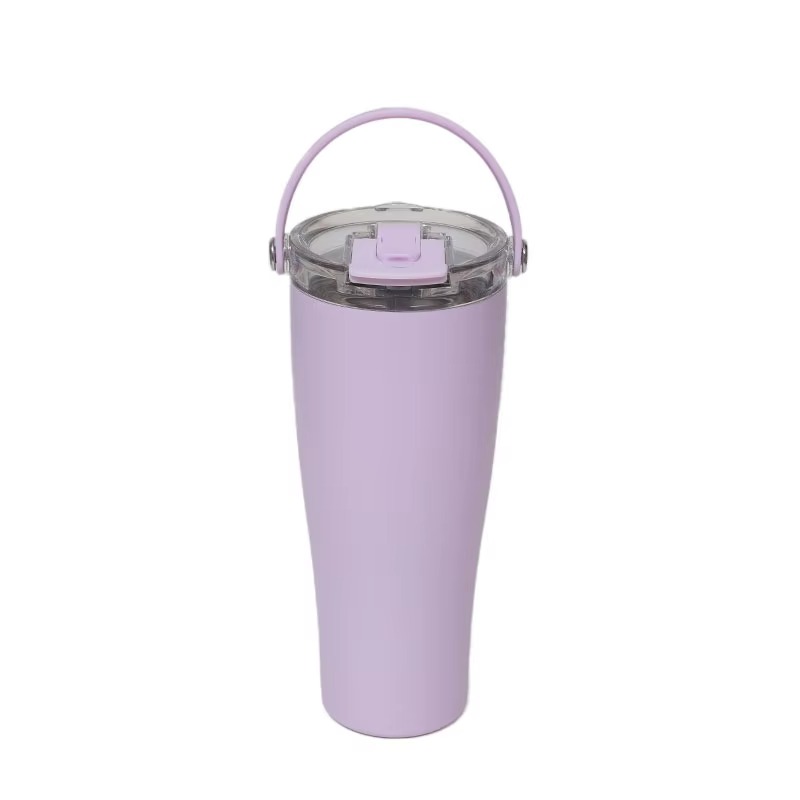
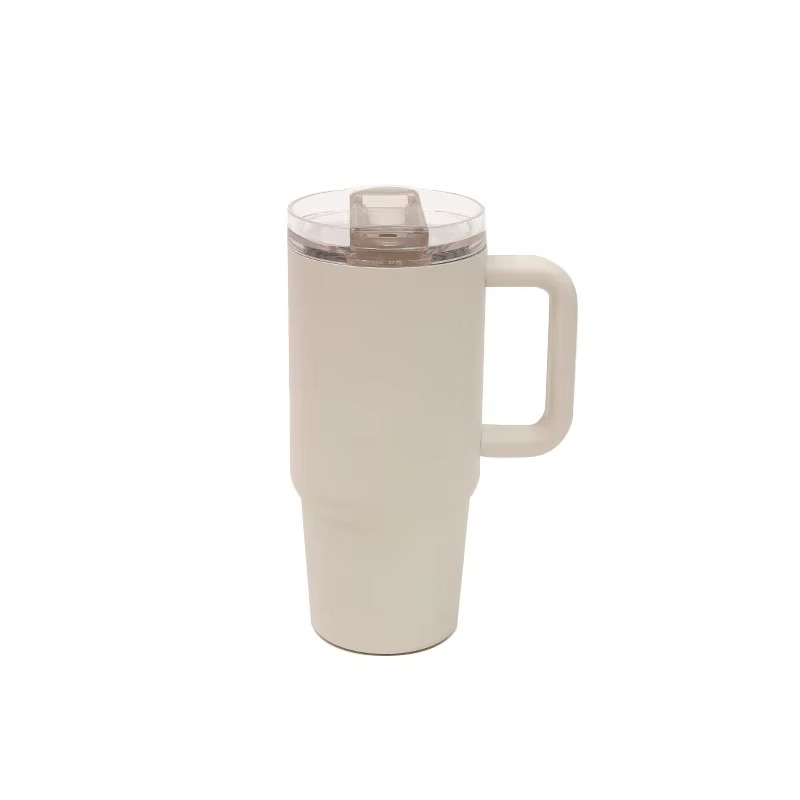
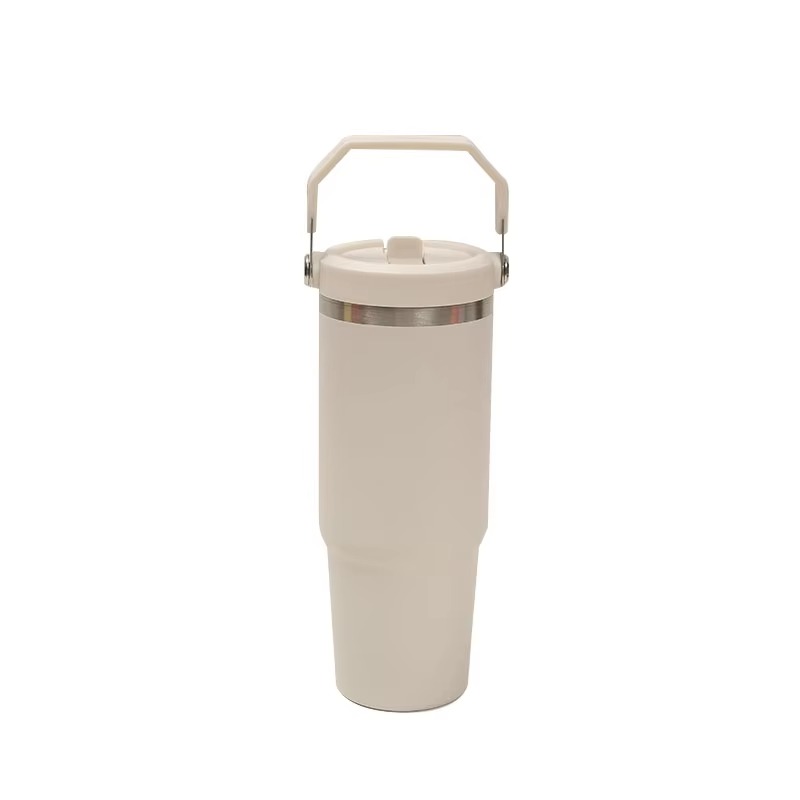
Children's drinkware often has to do two jobs at the same time. It needs to look interesting enough to attract attention, while its structure and materials need to suit everyday use by younger users. A Cute Creative Plastic Tumbler brings these considerations together through its shape, grip, lid design, material selection, and surface decoration. For manufacturers and buyers developing children's drinkware collections, these details are becoming part of product development rather than simple finishing choices.
Double-Layer Construction Adds Structural Depth
The body construction is one of the first details to consider when developing a children's tumbler. A double-layer structure creates space between the inner and outer walls and gives the cup a different feel from a conventional single-wall design.
For a Cute Creative Plastic Tumbler, consistent molding is important because the relationship between the two layers influences the overall appearance and structure of the finished cup. Wall thickness, material distribution, and the connection between different sections all need to be considered during mold development and production.
This type of construction also gives designers more freedom to combine colors, shapes, and decorative elements without making the cup look overly complicated.
Grip Design Should Match the Intended User
Children's drinkware is not simply a smaller version of adult drinkware. Handle size, opening shape, body diameter, and overall weight all influence how easily a child can hold the cup.
A children's plastic tumbler designed for younger users may use a shaped handle or a more compact body to create a comfortable grip. For buyers developing a BPA-free kids cup range, the intended age group is therefore an important consideration when comparing different body and handle designs.
The same basic tumbler concept can also be adapted for different age groups through changes in handle proportions, lid styles, and overall capacity. This gives brands more flexibility when developing a coordinated children's drinkware collection.
Lid Design Influences Everyday Use
The lid is another part of the product that can change how a children's tumbler is used. Straw lids, sippy spouts, and flip-style openings each create a different drinking experience.
For younger children, a straw or sippy-style lid can make drinking more convenient with less need to tilt the entire cup. Older children may be more comfortable with a standard opening or flip lid. Buyers selecting products for different age ranges can therefore compare the lid structure with the intended use rather than treating the lid as a purely decorative accessory.
A Cute Creative Plastic Tumbler can also use different lid configurations while maintaining a similar body design. This approach allows one product concept to support several versions within the same collection.
Sealing Details Matter for Portable Drinkware
Children's cups are often carried in school bags, lunch bags, or family travel bags, making the relationship between the lid and the cup body an important part of product design.
A leak-resistant straw cup normally relies on correctly fitted sealing components around the lid and straw opening. The design of these areas needs to work together with the cup body so that the finished product provides the intended level of spill control.
For buyers comparing children's drinkware, checking the lid structure, sealing method, and intended use conditions can provide a more useful basis for comparison than looking at appearance alone. These details are particularly relevant when the cup is expected to be used outside the home.
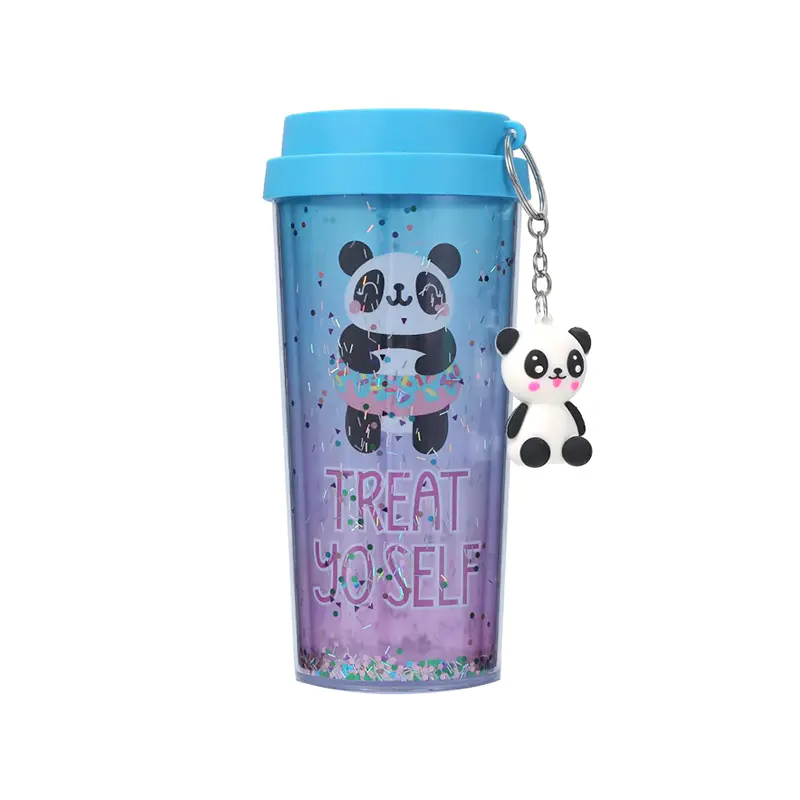
Decoration Is Part of Children's Tumbler Design
Color and decoration play a major role in this category. Bright colors, character-inspired graphics, bows, patterns, and other visual details can give an ordinary tumbler a more distinctive identity.
A custom printed kids tumbler can use different decoration techniques depending on the material, surface shape, and branding requirements. Printing, coating, molded details, and other finishing methods can be combined to create different visual effects.
For buyers developing private-label children's drinkware, it is useful to consider the relationship between decoration and the intended application. Areas around the rim, lid, and drinking opening require particular attention to material and finishing choices because they are closely associated with everyday contact and cleaning.
Material Selection Supports Different Product Directions
Material selection also influences the final appearance and performance of children's plastic drinkware. Different plastics can provide different levels of clarity, rigidity, impact resistance, weight, and processing characteristics.
When developing a Cute Creative Plastic Tumbler, manufacturers can select materials according to the intended product structure, appearance, and market requirements. Buyers can also compare material specifications alongside capacity, lid construction, handle design, and decoration when evaluating different product options.
Rather than treating material as an isolated specification, modern drinkware development increasingly considers it together with molding, surface treatment, and overall product design.
One Tumbler Can Support Multiple Custom Versions
Customization gives children's drinkware manufacturers additional room to develop different market offerings. A single basic structure may be adapted through color changes, printed patterns, lid variations, packaging, or other decorative details.
For brands and distributors, this makes the Cute Creative Plastic Tumbler suitable for a variety of retail, promotional, seasonal, and children's product collections. Different visual themes can be developed around the same general product concept without changing every element of the design.
The combination of playful appearance and practical construction is becoming increasingly important in children's drinkware. A successful Cute Creative Plastic Tumbler is not defined by decoration alone. Body construction, grip design, lid configuration, sealing details, material selection, and finishing all contribute to the final product.
For manufacturers and buyers alike, considering these elements together makes it easier to develop children's tumblers that combine creative styling with practical everyday use.
 Previous