 search
 English
 English
 Español
 русский
Industrial News
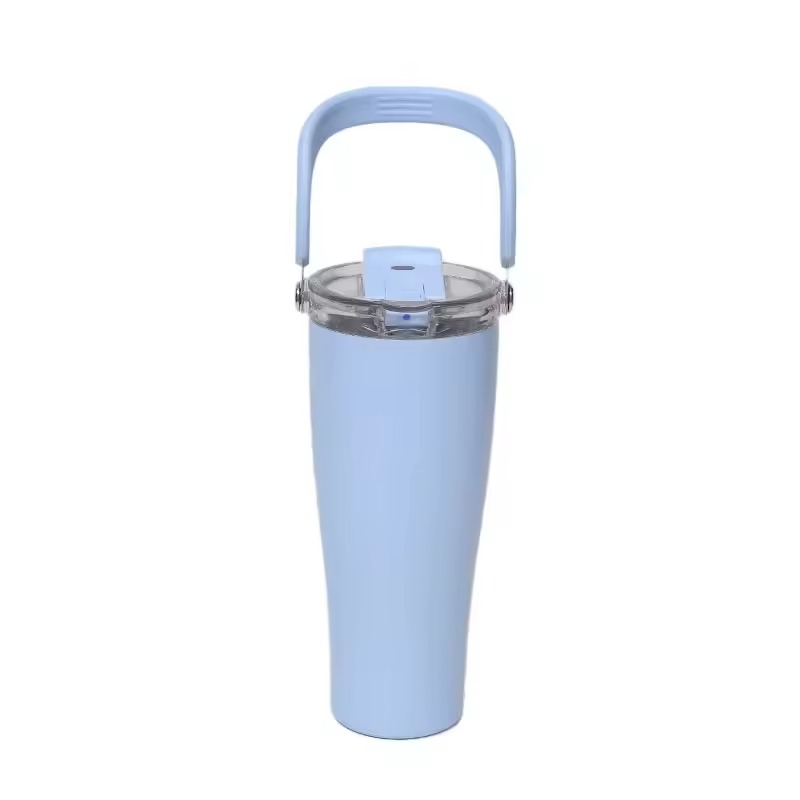
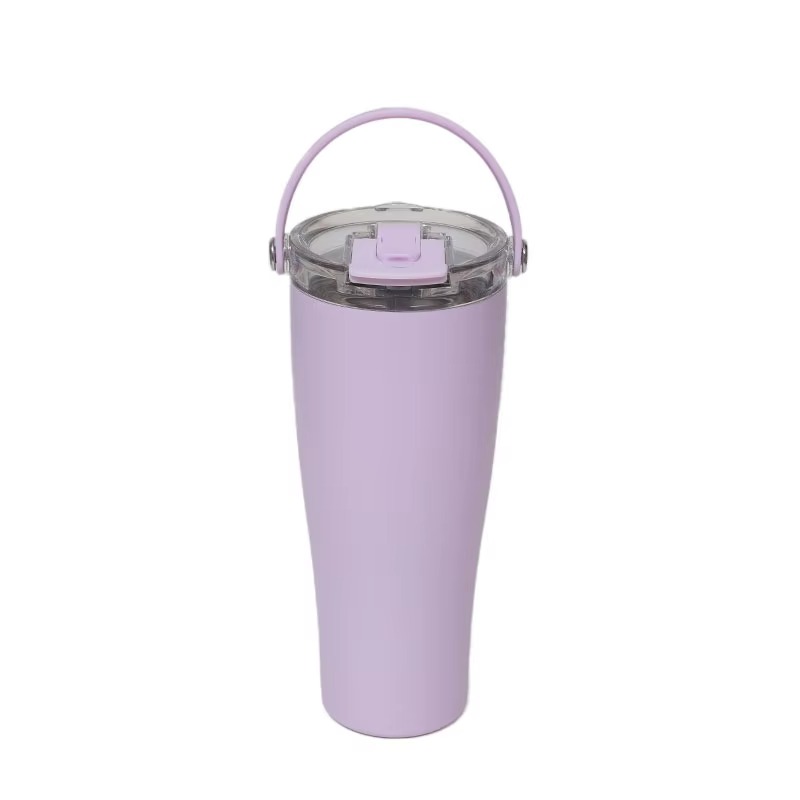
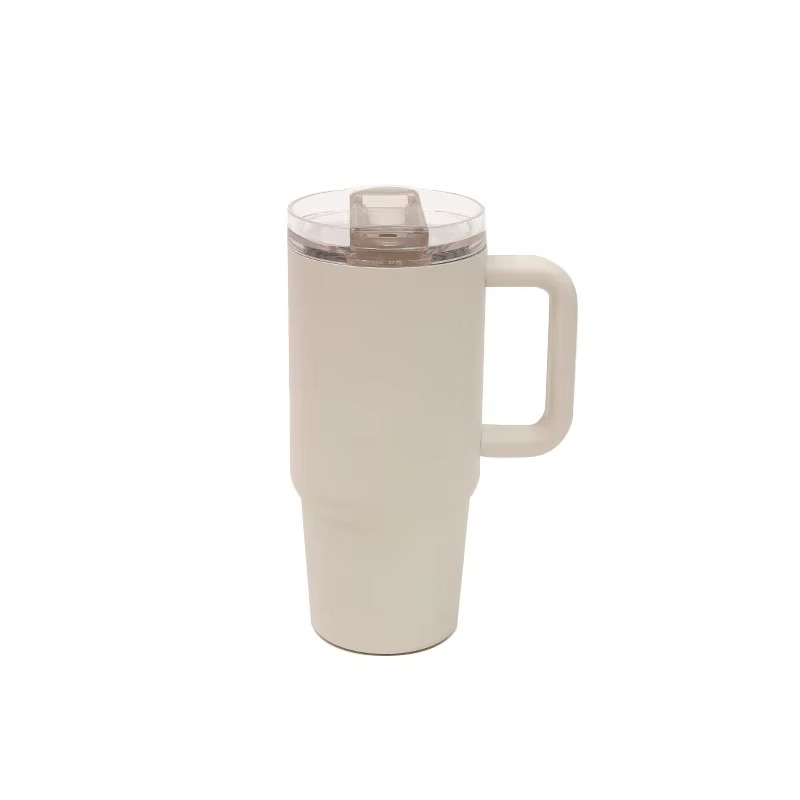
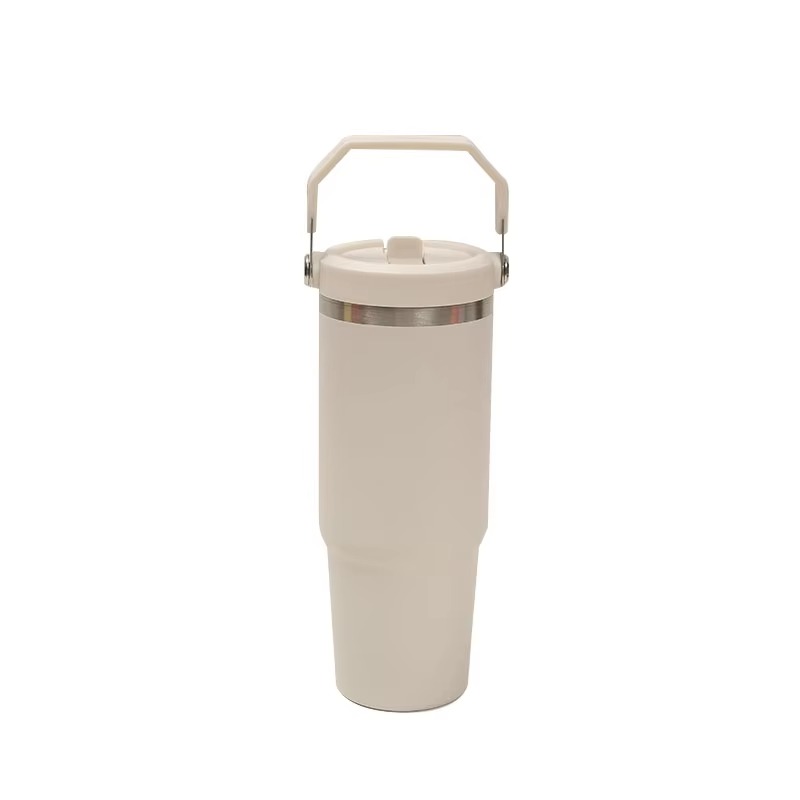
Buyers sourcing drinkware for outdoor retail and corporate gifting programs are asking a more specific question than they did a few seasons ago: not just whether a mug keeps a drink warm, but how many hours it holds that temperature through a full workday or a full day on the trail. That shift is reshaping which specifications suppliers lead with when quoting an Outdoor Handle Auto Mug order, moving insulation duration from a secondary detail to a primary selling point buyers now expect quantified upfront.
From General Insulation Claims to Measured Duration
A few years ago, buyers largely accepted general insulation claims — "keeps drinks hot" — without requesting specific numbers. Today, sourcing conversations around an Outdoor Handle Auto Mug increasingly start with a direct question about how many hours the product holds heat and how many hours it holds cold, since retail customers comparing an Outdoor Handle Auto Mug online expect that number printed clearly on packaging. This shift places pressure on suppliers to provide tested, batch-specific retention data rather than a general category claim carried over from a previous product generation.
Dual-Grade Steel Construction Is Becoming a Standard Expectation
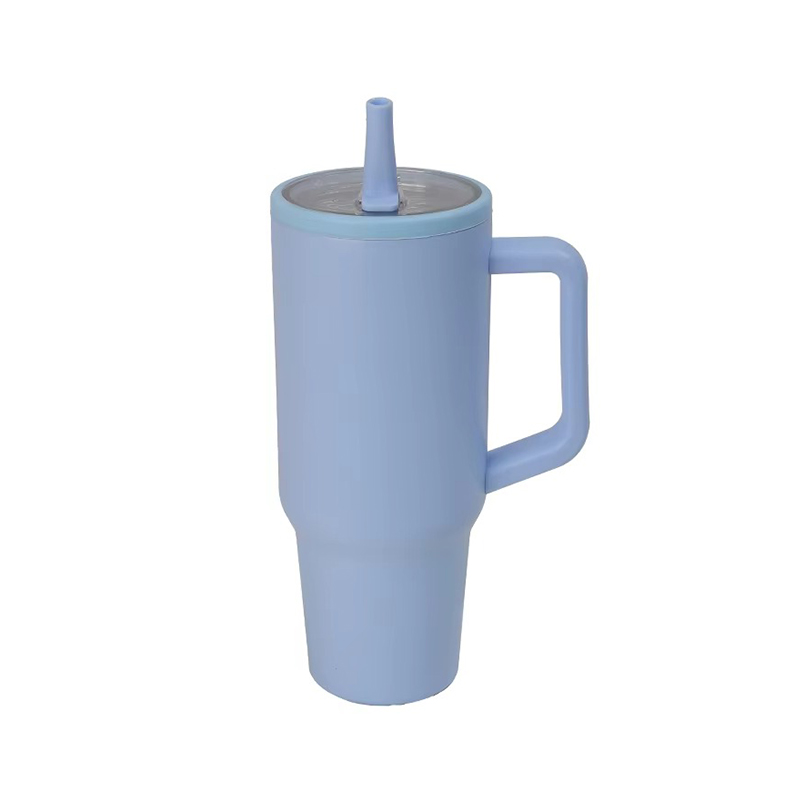
Buyers are increasingly asking suppliers to specify which stainless steel grade is used at each wall layer, rather than accepting a single blanket "stainless steel" description. A double-wall stainless steel mug built with food-grade 304 steel on the inner wall and a more cost-effective 201-grade steel on the outer shell has become a common approach, since it balances beverage-contact safety with total production cost. This layered specification is increasingly requested in writing on purchase orders rather than left as an assumption, reflecting buyers' growing awareness that steel grade affects both compliance documentation and long-term corrosion resistance.
Handle and Lid Ergonomics Reflect Changing Use Patterns
As this category expands beyond car cup holders into general outdoor and office use, handle design has become a differentiating factor buyers evaluate more closely. A secure handle that stays usable with gloves or wet hands matters increasingly to buyers targeting outdoor retail, while an auto-locking lid mug that prevents spills during transport has become close to a baseline requirement rather than a premium feature. Suppliers report more requests for handle-stress testing data specifically on an Outdoor Handle Auto Mug, since a handle that separates from the body under load creates a safety concern that goes beyond a simple quality complaint.
Comparing Buyer Priorities Across Use Segments
|
Buyer Segment |
Primary Specification Request |
Secondary Priority |
|
Outdoor Retail |
Verified hot/cold retention hours |
Handle durability under load |
|
Corporate Gifting |
Branding surface area and finish |
Packaging presentation |
|
Office Supply Distributors |
Capacity and cup-holder fit |
Consistent color availability |
|
Travel Retail |
Lightweight-to-capacity ratio |
Leak-proof lid performance |
Certification Requests Are Becoming More Specific
Buyers placing bulk orders for an Outdoor Handle Auto Mug in the 40oz insulated mug size range are increasingly requesting certification documentation broken out by component rather than a single blanket certificate — food-grade compliance for the inner wall material, general safety certification for the assembled product, and factory-level quality management system records covering the production line itself. This more granular documentation request reflects buyers' own compliance obligations to retail partners and import authorities, who are applying closer scrutiny to drinkware categories than in past sourcing cycles.
Customization and Bulk Supply Trends
Corporate gifting buyers ordering an Outdoor Handle Auto Mug as an outdoor travel mug gift item at volume increasingly request laser engraving over pad printing for logo application, since engraved branding holds up better across the extended product lifespan this category is marketed around. Factories supporting this shift have adjusted tooling and finishing lines to handle engraving at production scale rather than treating it as a limited-run specialty service, which has shortened lead times for buyers who previously had to route engraved orders through a separate, slower process outside standard production scheduling.
 Previous