 search
 English
 English
 Español
 русский
Industrial News
What makes a Cute Plastic Tumbler feel comfortable in daily drinking routines
Daily drinkware tends to stay close to the hand, the bag, and the desk. That is why comfort matters as much as appearance. A cup can look charming and still feel awkward if the shape slips in the palm, the lid opens with too much effort, or the straw sits at an odd angle.
A practical design usually gives attention to small touches:
- a body shape that sits naturally in the hand
- a rim that feels smooth during repeated sipping
- a lid that opens without strain
- a size that works in common daily settings
- a surface that feels steady rather than slick
For many users, the appeal comes from the mix of light weight and easy handling. A cup that feels simple to carry and simple to use is more likely to stay in rotation rather than being set aside after a few tries.
How does material choice influence clarity safety and long term use in a Cute Plastic Tumbler
Material choice shapes both the look and the use experience. Some plastics feel clear and glossy, while others look softer or more matte. That visual difference can change the mood of the product before a drink is even poured.
| Use concern | What to look for | Practical effect |
|---|---|---|
| Visual clarity | Clear or lightly tinted walls | Makes the drink visible and gives a clean appearance |
| Daily handling | Firm but light feel | Helps with carrying and repeated use |
| Surface feel | Smooth or softly textured finish | Affects grip and comfort |
| Cleaning routine | Simple inner shape | Reduces effort during washing |
| Storage behavior | Stable body shape | Helps the cup keep its form in a bag or cabinet |
The material also affects how the cup responds to routine use. A surface that stays clear and keeps its shape can support a longer use cycle. A material that stains easily or feels fragile may change the user’s view of the product after a short period. For that reason, material choice is not only a visual decision. It also shapes daily trust.
What design details help a Cute Plastic Tumbler reduce leakage during commuting and travel
Leak control matters because movement changes everything. A cup that stays still on a table may behave differently inside a backpack or on a car seat. Small design choices often shape that result more than the outer look.
Useful details include:
- a lid that closes with a firm fit
- a drinking opening that seals cleanly after use
- a straw opening that does not leave extra space
- a body shape that fits stable holders and side pockets
- a lid edge that joins the cup body without gaps
Travel and commuting also expose weak points that are not obvious at home. A loose lid, a thin seal, or a straw that shifts during motion can create frustration. Even when the product holds cold drinks well on a desk, the same cup may behave differently once it moves with the user.
A good leak-control design usually aims for consistency in ordinary movement, not only in ideal conditions. That is why lid fit and closure feel matter so much in this category.
How does straw size and lid structure change the drinking experience in a Cute Plastic Tumbler
The drinking feel depends on more than the beverage itself. Straw size changes the pace of sipping, the amount of effort needed, and the way the liquid reaches the mouth. A narrow straw can feel slow and neat, while a wider one may suit thicker drinks or faster sipping.
Lid structure also plays a large role. Some lids guide the flow in a simple straight path. Others add a raised drinking area or a twist style opening. These choices affect convenience, comfort, and cleaning.
A few common experience patterns show up often:
- thinner straws may suit light drinks and calm sipping
- wider straws may suit thicker drinks with more texture
- a firm lid can help the cup feel secure
- a soft opening can make drinking feel easier, yet may need more care during cleaning
- a simple internal path can reduce awkward airflow during use
The goal is not to create a complex system. The goal is to make the flow feel natural. When the straw and lid work together well, the user usually notices the ease more than the structure itself.
What cleaning habits keep a Cute Plastic Tumbler fresh and easy to maintain over time
Regular care often shapes how long a drinking cup stays pleasant to use. A clear body may still look fine while the lid, straw, or seal starts to hold residue. That is why the cleaning habit needs to match the structure, not only the visible surface.
A practical routine usually stays simple:
- rinse soon after use so buildup does not settle
- separate the lid and straw when the structure allows it
- use a narrow brush for inner paths
- dry each part fully before putting it away
- check the rim and sealing edge for hidden moisture
Different parts need different attention. The body is usually easier to wash, while the lid area may take more effort because of grooves and openings. When a design makes those areas accessible, the product is easier to keep in regular use. In daily life, ease of care can matter as much as appearance.
| Part of the cup | Common care focus | What helps in daily use |
|---|---|---|
| Body | Rinse and wipe | Smooth inner shape |
| Lid | Clean edges and openings | Simple detachable structure |
| Straw | Brush the inside | Straight inner path |
| Seal area | Remove trapped moisture | Clear access after use |
Small habits tend to matter more than occasional deep cleaning. A cup that is easy to wash and easy to dry usually fits better into ordinary routines.
Why does a Cute Plastic Tumbler show different durability in everyday handling and storage
Durability is not only about whether a product breaks. It also includes how the surface ages, how the shape holds, and how the cup behaves after repeated handling. A cup that looks fine on day one may show marks sooner if the surface is soft or the edges are thin.
Common wear patterns often appear in a few places:
- the outer wall may show fine scratches from bags or tables
- the lid may loosen after repeated opening and closing
- the printed surface may fade in frequent washing
- the base may collect marks from hard surfaces
- the seal area may lose firmness if stored under pressure
Storage conditions also affect the result. A cup kept loose in a crowded bag may pick up more surface wear than one stored upright. A product placed under other items for long periods may lose shape faster than one kept free from pressure. That is why handling habits are part of durability, not separate from it.
A lightweight cup can still feel sturdy when the structure is balanced. Thin walls, weak corners, or uneven joints can change that impression quickly. For users, the question is often not whether the cup survives use, but whether it keeps feeling dependable after daily handling.
How can a Cute Plastic Tumbler match different lifestyle needs from office use to outdoor activities
A drinking cup often moves between very different settings. It may sit on a desk in the morning, travel in a bag later, and be used outdoors after that. Each setting places a different demand on shape, weight, and closure.
Office use usually favors calm handling. A cup that sits neatly beside papers and devices without taking much space tends to fit that setting well. Outdoor use may call for a lid that stays steady during movement and a body that is easy to carry for longer periods. Travel use often sits between the two, with a stronger need for secure closure and easy access.
The same cup can serve different routines when its structure stays flexible enough for daily movement. That flexibility often comes from a balanced mix of light weight, easy grip, and a lid that behaves predictably. A product that supports several routines can feel more natural to keep in rotation, especially when users do not want to carry separate drinkware for every setting.
What visual and color choices make a Cute Plastic Tumbler more appealing for personal style expression
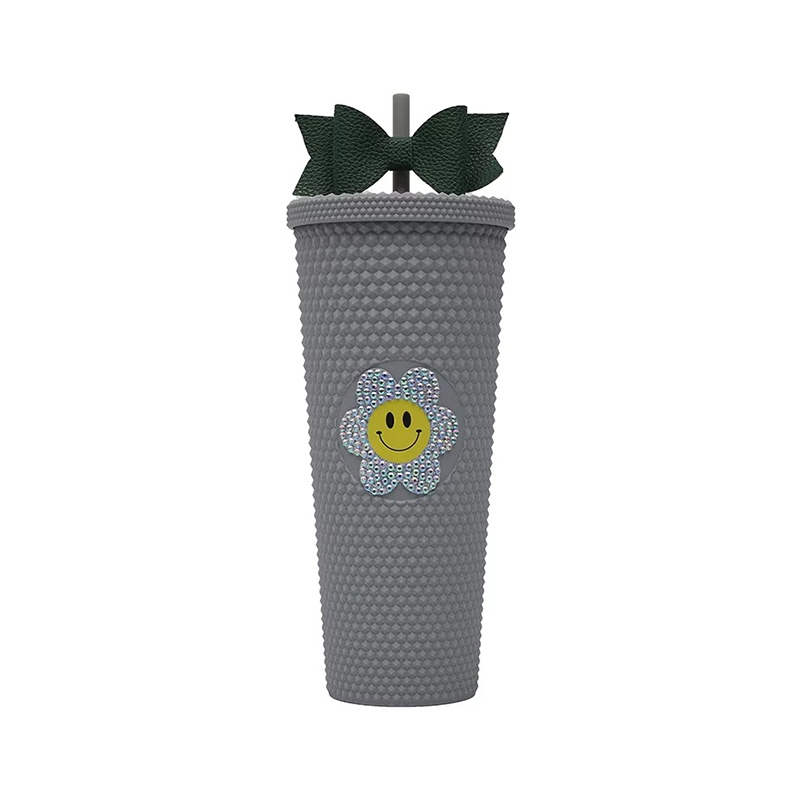
Color and shape affect how a cup feels before it is used. Some people prefer clear walls that show the drink inside. Others prefer soft pastel tones, gentle transparency, or a more playful look. These choices can signal mood without changing the core function.
Visual design usually works through a few elements:
- clear or tinted body surfaces
- soft or rounded edges
- simple printed details
- gentle color pairing
- lid and body contrast
A cup with a calm color tone may feel easy to use in office settings. A brighter tone may feel more casual or personal. Small visual details can also help the product stand out on a shelf or desk without needing a complicated shape.
Personal style often comes from restraint as much as from decoration. When color, transparency, and form stay balanced, the cup can feel attractive without seeming busy. That is especially important in drinkware that is used often, seen often, and carried often.
 Previous