 search
 English
 English
 Español
 русский
Industrial News
A reliable supplier is not only a source of products. It also affects how smoothly a project moves, how consistent each bottle feels in hand, and how confidently a brand can speak to buyers. For many importers and private label brands, the decision begins with a simple question: can the supplier handle the product, the process, and the communication without creating avoidable friction?
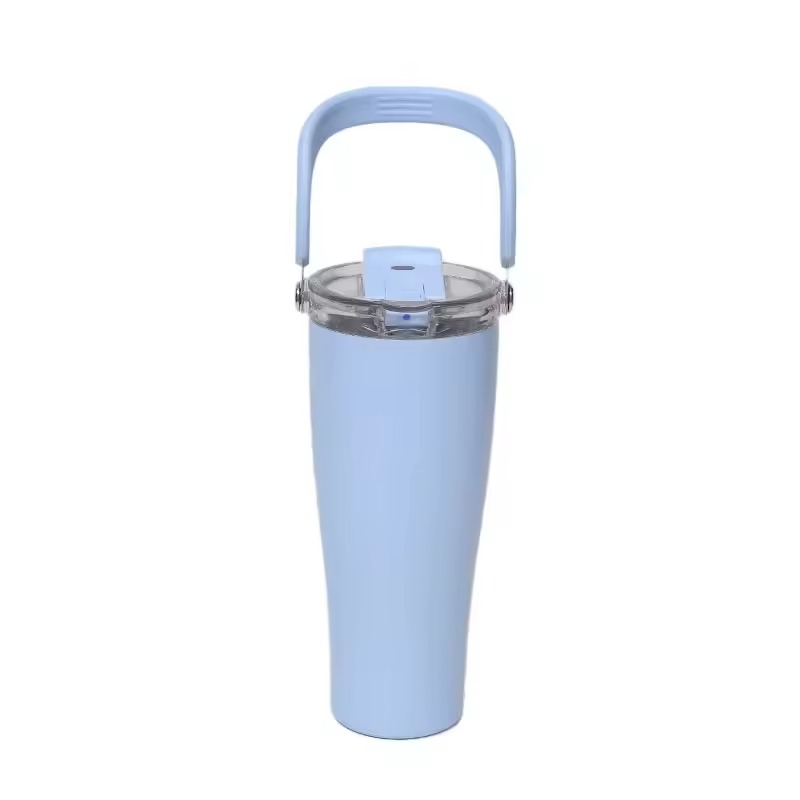
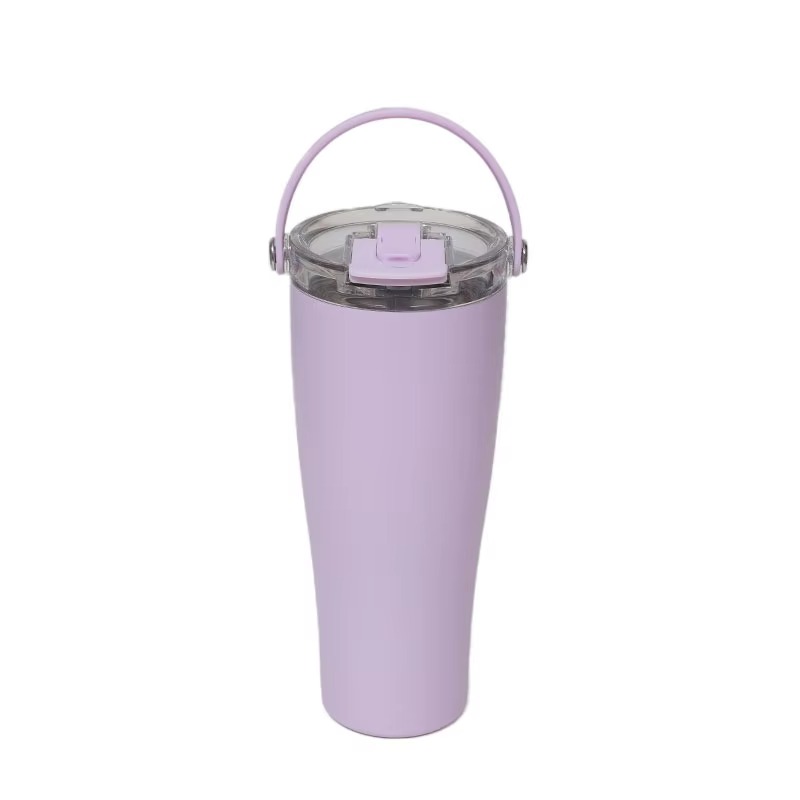
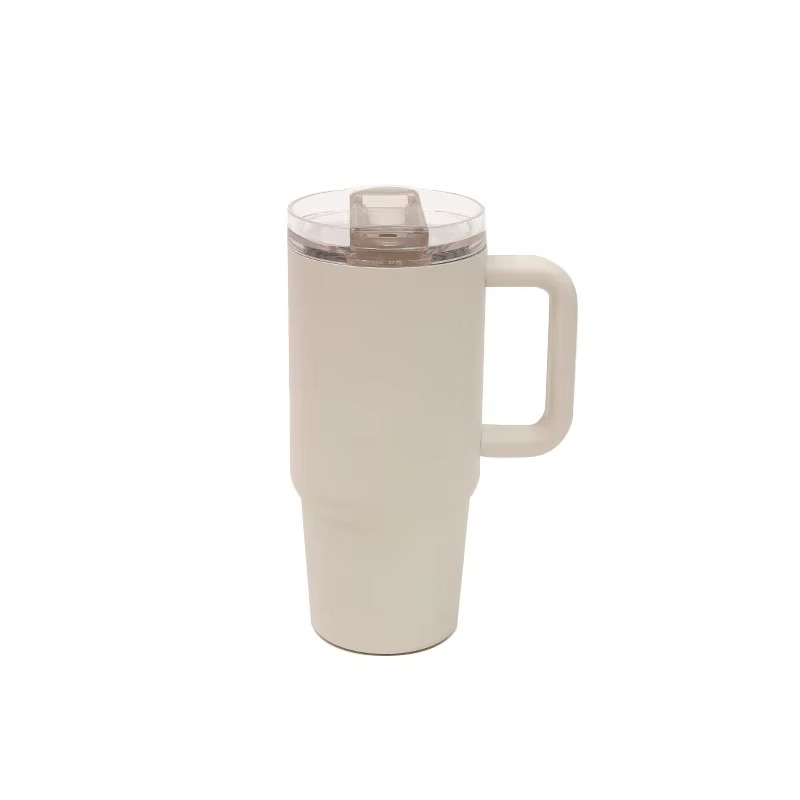
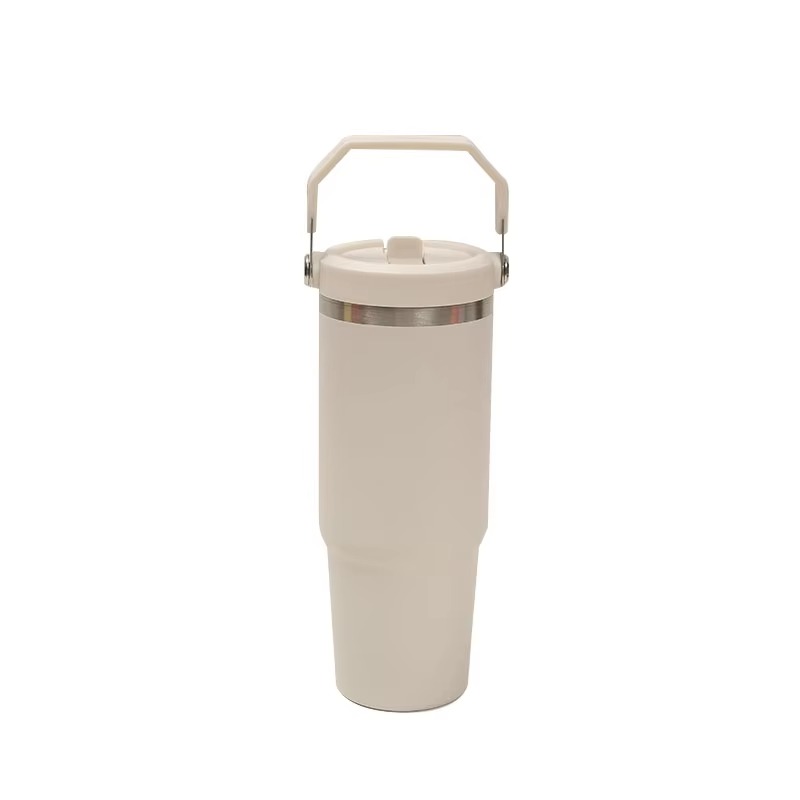
When people search for a Stainless Steel Drink Bottle Supplier, they are often trying to solve practical problems. They may need stable quality, clear quotation logic, flexible customization, or a clearer view of how the factory works behind the scenes. The sections below follow that path in a natural order, starting with market behavior and moving toward supplier evaluation.
Why Are More Brands Working With a Stainless Steel Drink Bottle Supplier for Custom Projects
Reusable bottles have moved beyond basic utility. Buyers now look at shape, surface feel, lid style, and packaging as part of the product story. That is one reason custom projects have become more common across different sales channels.
A brand may start with a simple request, then gradually ask for more control over appearance, function, and packaging. In that process, a Stainless Steel Drink Bottle Supplier becomes more than a production contact. The supplier becomes part of the product planning stage.
Common reasons brands move toward custom work include:
- A need for a product that fits a clear brand image
- A desire to stand out in a crowded shelf environment
- A request for packaging that matches the sales channel
- A need to adjust details for different customer groups
- A wish to create a repeatable product line rather than a one-off item
The shift usually happens when buyers realize that small changes can affect how a bottle is perceived. A different finish, a cleaner lid shape, or a more organized package can change the way a product enters the market. That is why custom projects often begin with product direction rather than decoration alone.
What Buyers Often Look for When Comparing Suppliers
When buyers compare options, they rarely focus on a single point. The decision usually forms from several smaller checks that together show whether the supplier can support the project with low friction.
A typical comparison may include communication style, response speed, sample handling, and the ability to follow project details. Buyers also want to know whether the supplier asks useful questions or only repeats general promises. A supplier that gives clear answers and consistent information often feels easier to work with.
| Buyer focus | What it may signal |
|---|---|
| Clear communication | Lower risk of confusion during order handling |
| Sample handling | Whether the supplier can support product checks early |
| Order follow-up | How well the supplier manages ongoing project steps |
| Custom support | Whether the supplier can adjust the product to match the request |
| Consistent replies | Whether the team shares the same project understanding |
A Stainless Steel Drink Bottle Supplier is usually judged by more than the quote alone. Buyers often look at whether the supplier can explain product choices without making the process feel vague. If the discussion stays organized, the buyer often feels more confident moving forward.
How Can Importers Verify the Capabilities of a Supplier
Capability is not only about saying yes to an order. It is about whether the supplier can keep the project steady from sample stage to shipment stage. Importers often need evidence that the team can handle the full flow without constant correction.
A useful way to check capability is to ask how the supplier manages each stage of work. That may include product preparation, sample review, production tracking, and packing direction. The answers do not need to be complicated. They need to be clear, consistent, and aligned with the request.
A buyer can look at several practical signals:
- The supplier asks for product details before quoting
- Sample discussions stay consistent across messages
- The team can explain process steps in a simple way
- Custom requests are answered with realistic options
- Order updates follow a steady rhythm
Another useful sign is how the supplier reacts when details change. Some projects shift after the first sample or after a market review. A capable team does not treat that as a problem by default. It treats it as part of normal project handling. That approach matters because many bottles are not bought as generic items. They are selected for a specific brand plan.
What Happens Behind the Scenes at a Manufacturing Factory
A finished bottle may look simple, but the path to that result usually includes several connected steps. Buyers who understand the factory flow can ask better questions and avoid misunderstandings later.
The work often begins with material handling, then moves through shaping, assembly, surface work, and inspection. Each stage has its own purpose. If one part is handled poorly, the final product may still look acceptable at a glance but feel less reliable in use.
| Stage | What happens | Why it matters |
|---|---|---|
| Material preparation | Raw materials are checked and arranged | Sets the base for the final product |
| Body forming | The bottle shape is created | Affects appearance and fit |
| Assembly | Parts are joined together | Influences function and handling |
| Surface work | The outer finish is applied | Changes look and touch |
| Inspection | The product is checked before packing | Helps reduce avoidable issues |
A Stainless Steel Drink Bottle Supplier that handles these steps in an organized way usually makes the buyer's job easier. The process does not need to be framed as complicated. It only needs to be controlled. For importers, that control often matters more than a flashy presentation.
When the factory flow is clear, buyers can judge whether the supplier is ready for their order size, customization needs, and packaging request. It also helps them understand why certain changes may affect timing or handling.
How Does a Stainless Steel Drink Bottle Supplier Control Product Quality During Production
Quality control starts before the bottle reaches packing. It begins when the order details are checked and continues through each production step. Buyers often care less about perfect wording and more about whether the supplier can keep the product consistent from sample to shipment.
A practical supplier usually checks the body finish, lid fit, surface condition, and general assembly flow at different points. If one stage is ignored, small defects can become visible later and affect how the bottle is used or perceived.
Common control points may include:
- Fit between the lid and the bottle body
- Surface condition after finishing
- Basic function checks before packing
- Appearance consistency across units
- Final review before shipment
A Stainless Steel Drink Bottle Supplier with a clear process can usually explain when checks happen and who handles them. That matters because buyers do not only need a product that looks acceptable once. They need a product that stays consistent across the order.
A useful sign is how the supplier reacts to possible issues. If the team can identify a problem early and adjust the process without confusion, the buyer usually faces fewer surprises later. That is one of the reasons quality control remains central to supplier evaluation.
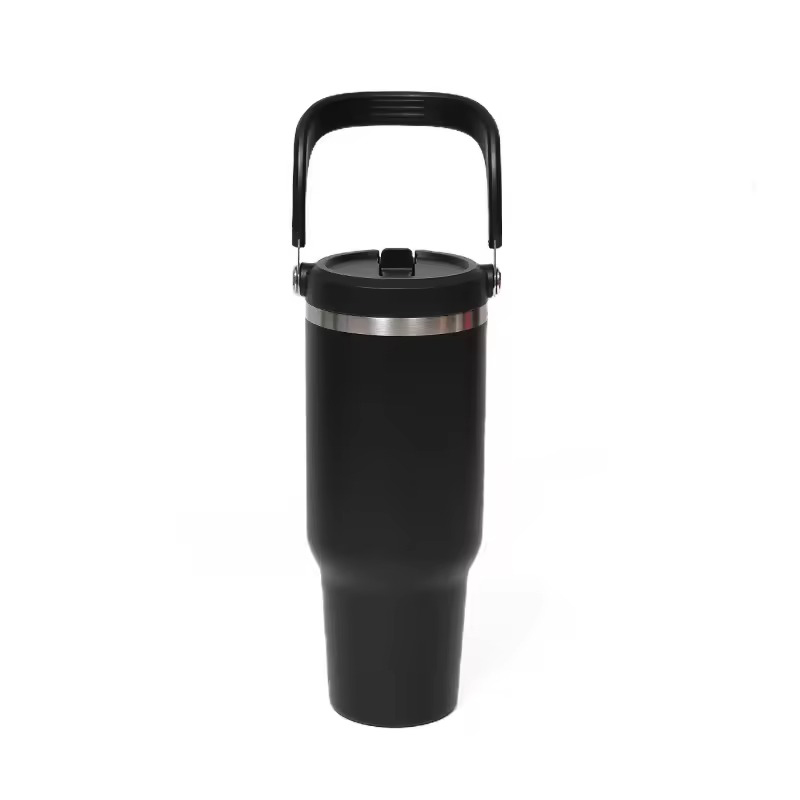
Which Custom Options Can a Supplier Offer for Growing Brands
Custom work is often where a brand starts to shape its own market position. Some buyers begin with a standard bottle, then ask for changes after they see how the product may sit with their audience. Others begin with a clear product idea and need a supplier who can handle that direction without making the process difficult.
The options often go beyond color. Buyers may look at surface feel, lid shape, branding position, packaging style, and the overall presentation of the bottle. These details can affect how the product is received in retail, online, or promotional settings.
A brand may ask for changes such as:
- A different outer finish
- A branded print or etched logo
- A revised lid style
- A more tailored package
- A shape that feels more suitable for a target group
The right level of customization depends on the project. Some buyers only need light branding. Others need a more distinct product that helps them build recognition over time. In both cases, a Stainless Steel Drink Bottle Supplier should be able to explain what can be changed without turning the process into guesswork.
It also helps when the supplier can separate useful custom choices from decorative ones. A brand often gains more from a lid that feels practical and a package that is organized than from visual changes alone. That balance is part of what makes custom planning useful rather than excessive.
Why Do Similar Stainless Steel Drink Bottles Come With Different Supplier Quotes
At first glance, two bottles may seem close enough to compare directly. In practice, the quote can shift because the supplier may be using different material choices, different finishing steps, different packing methods, or a different project structure.
Buyers often notice that a lower quote is not always easier to accept. It may leave out parts of the process that matter later. On the other hand, a higher quote may reflect extra handling or more careful preparation. The key is to understand what is included, not just the number on the page.
Quoted prices can be affected by:
- Material choice and thickness
- Finish and decoration method
- Lid structure and accessory details
- Packing style and outer presentation
- Order handling and project preparation
A buyer comparing two offers should ask whether the same details are being discussed. If one supplier includes a different lid, a different finish, or more involved packing, the quotes are not truly equal. That is where careful reading matters.
A Stainless Steel Drink Bottle Supplier that explains pricing in plain language is often easier to evaluate than one that only gives a final figure. Clear pricing logic helps buyers decide whether a quote matches the actual request.
How to Choose a Supplier That Fits Your Brand Direction
Once the product details, production flow, quality checks, and pricing logic are clear, the final step is to judge whether the supplier fits the direction of the brand. That decision is rarely about one feature alone. It is usually about whether the supplier can handle the work in a way that stays steady and practical.
A good match often shows up in the details. The supplier responds in a way that matches the buyer's pace. The project discussion stays organized. The product options stay realistic. The team knows when to suggest a change and when to keep the original plan intact.
Some points worth reviewing are:
- Whether the supplier understands the target market
- Whether the team can handle custom requests without confusion
- Whether the quotation matches the actual project scope
- Whether the factory process feels stable and transparent
- Whether communication stays consistent through the order
At this stage, buyers are not only selecting a factory. They are selecting a working relationship. That is why the final choice should feel grounded in practical fit rather than surface-level claims. A supplier that can support the product, the process, and the brand direction usually creates a smoother path for the next stage of growth.
 Previous