 search
 English
 English
 Español
 русский
Industrial News
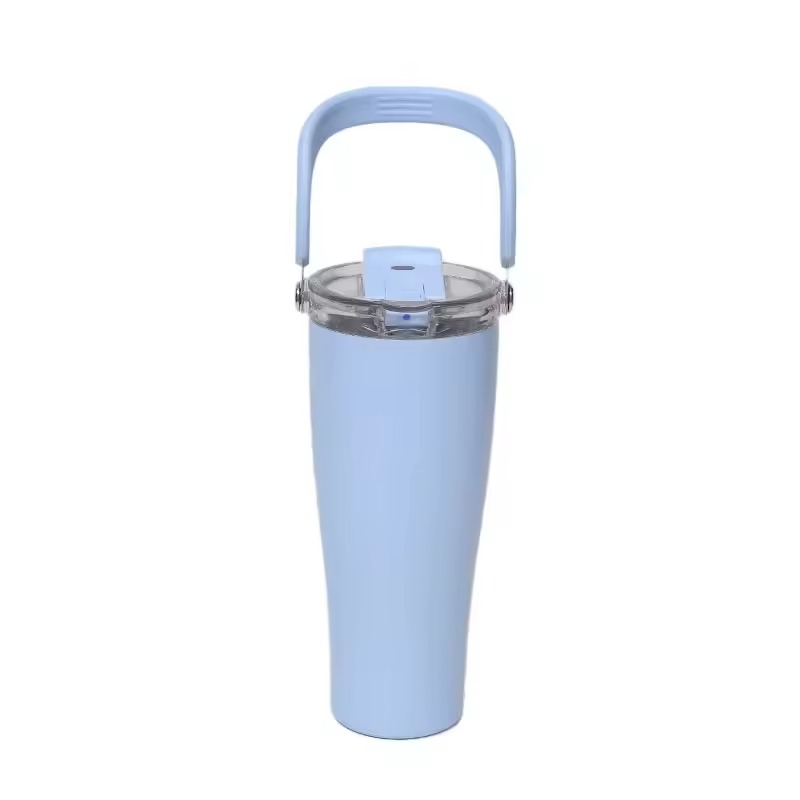
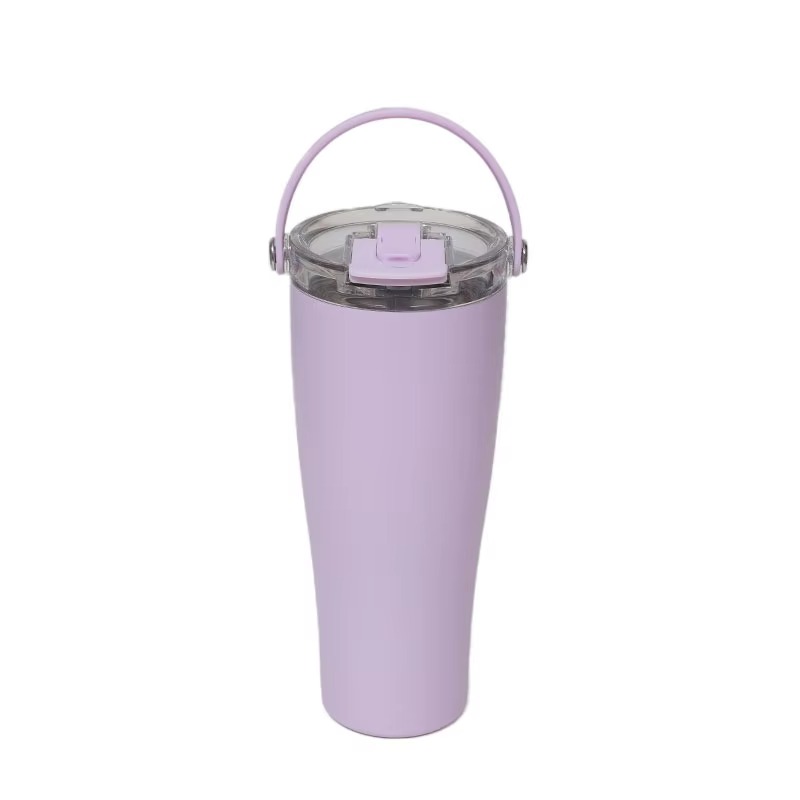
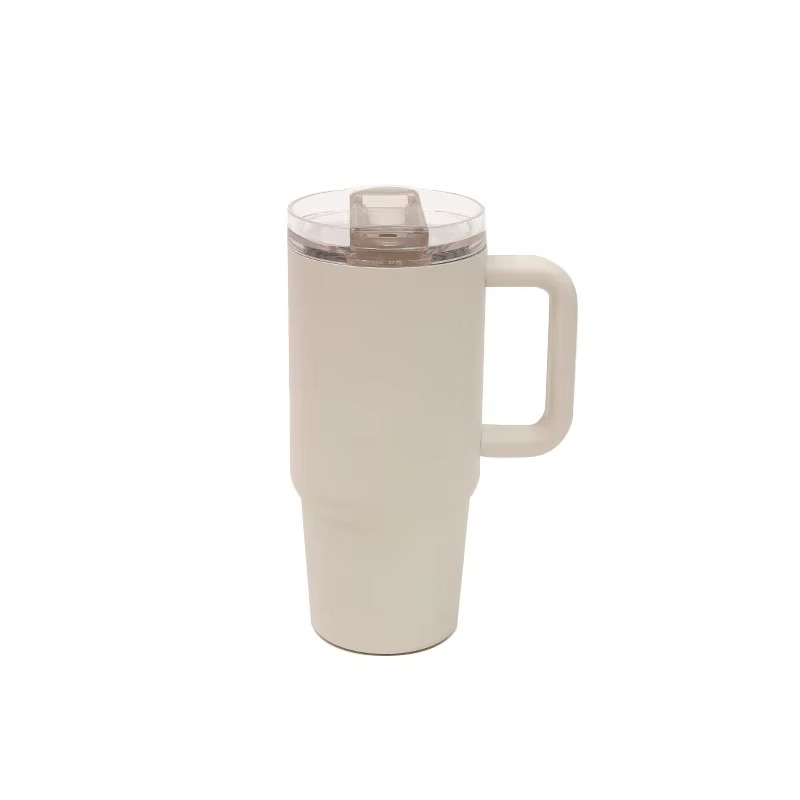
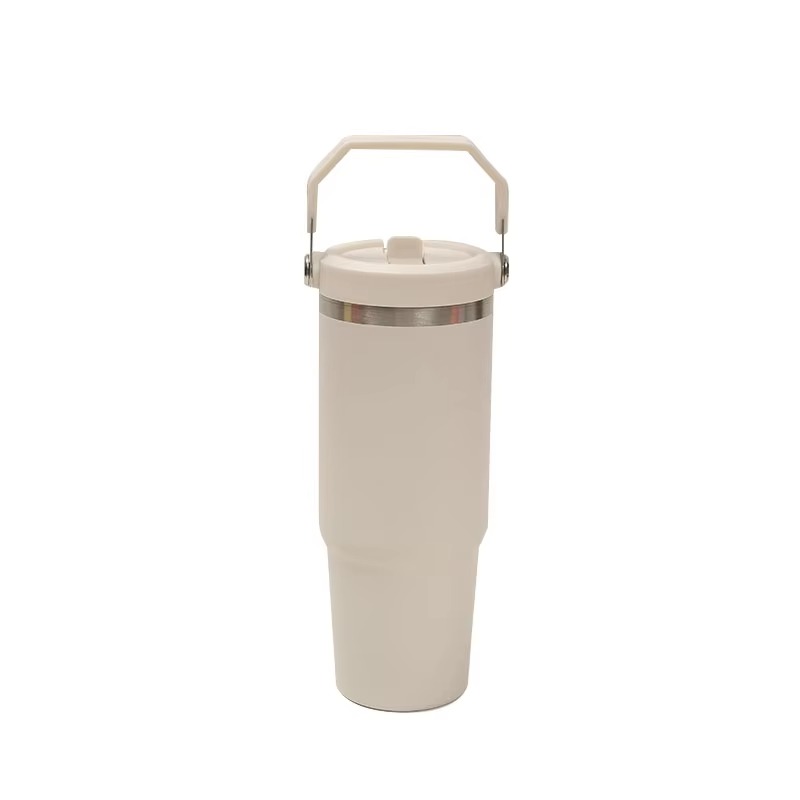
A procurement manager comparing three bottle samples on a factory visit will often notice the same thing: the one that holds heat longest is rarely the lightest one in hand. That tradeoff sits at the center of every Insulated Travel Water Bottle specification, and buyers who understand it can push back on vague marketing claims and ask suppliers for the specific numbers that actually determine performance.
What the Double-Wall Vacuum Layer Is Doing
The core mechanism behind an Insulated Travel Water Bottle is a sealed vacuum gap between two stainless steel walls, which removes the air that would otherwise carry heat between the liquid inside and the outside environment. Because a vacuum conducts almost no heat, this construction slows temperature change far more effectively than a single-wall container or a foam-insulated alternative. Wall gauge, vacuum seal quality, and the welding point where the inner and outer walls meet all affect how long that insulation performance holds up over the product's working life, which is why buyers comparing quotes should ask suppliers for tested retention hours rather than accepting a general "keeps drinks hot or cold" claim at face value.
Material Grade Determines Long-Term Reliability
A double-wall vacuum bottle built with food-grade 304 stainless steel on the inner wall resists corrosion and does not transfer metallic taste into the beverage, while a lower-grade steel substitute can affect both flavor and long-term durability. Buyers sourcing for private-label programs should confirm which steel grade is used at each wall layer, since suppliers sometimes specify a lower grade for the outer shell to control cost while keeping the inner wall food-safe — a detail that matters for compliance documentation even when it does not affect insulation performance directly.
Comparing Construction Approaches
|
Construction Factor |
Standard Single-Wall Bottle |
Insulated Travel Water Bottle |
|
Heat Retention |
Minimal |
Extended, typically measured in hours |
|
Cold Retention |
Minimal |
Extended, typically measured in hours |
|
Wall Structure |
Single layer |
Double wall with vacuum seal |
|
Typical Weight |
Lower |
Moderately higher |
|
Condensation on Exterior |
Common |
Reduced due to sealed outer wall |
Buyers targeting fitness or daily-commute retail channels often prioritize the lighter weight of single-wall alternatives, while buyers stocking outdoor or travel retail segments generally accept the added weight of an Insulated Travel Water Bottle built as a stainless steel water bottle in exchange for sustained temperature control.
Leak-Proof Sealing and Lid Engineering
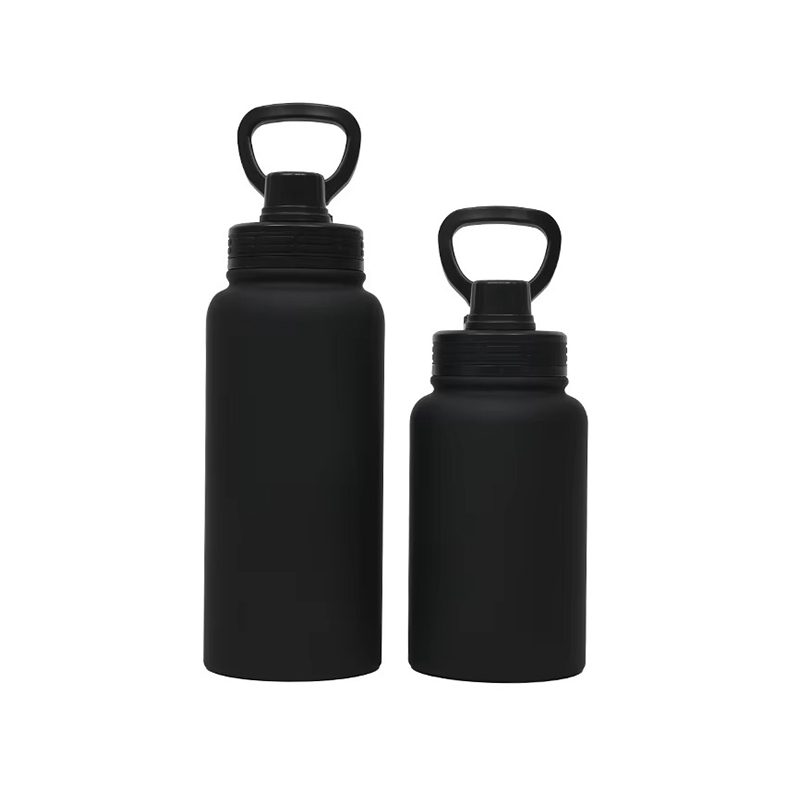
Lid design contributes as much to real-world performance of an Insulated Travel Water Bottle as the wall structure itself. A leak-proof water bottle depends on a properly seated gasket and a locking mechanism that holds under the pressure changes that come from temperature swings during transport, and buyers should request drop-test and pressure-test documentation rather than relying on the supplier's general durability claims. Wide-mouth designs simplify ice-cube loading and cleaning access, while narrower designs suit buyers targeting cup-holder compatibility as a primary selling point for their retail customers.
Certification and Quality Control Buyers Should Request
Export-ready production of an Insulated Travel Water Bottle typically includes food-grade certification covering the materials in direct contact with beverages, alongside a documented quality management system covering the full production process. Buyers should request certification records specific to the production batch under quote, not only general company-level certificates, since food-safety compliance can vary between batches if raw material sourcing changes. Colorfastness and coating adhesion testing matter for painted or powder-coated exterior finishes, since a finish that chips during normal handling creates both a cosmetic issue and a potential compliance concern if exposed metal contacts the beverage.
Customization and Bulk Supply Planning
Distributors and corporate gift buyers ordering a reusable drink bottle program at volume typically negotiate around color range, laser-etched or printed branding, and packaging format for retail versus bulk corporate distribution. Factories running dedicated tooling for this category can usually accommodate mixed-capacity orders within a single production run, letting a buyer test more than one size in the same shipment before committing a full container to one configuration. Confirming minimum order quantities per color variant early in the sourcing conversation helps buyers avoid unexpected per-unit cost increases once a mixed-SKU order is finalized.
 Previous