 search
 English
 English
 Español
 русский
Industrial News
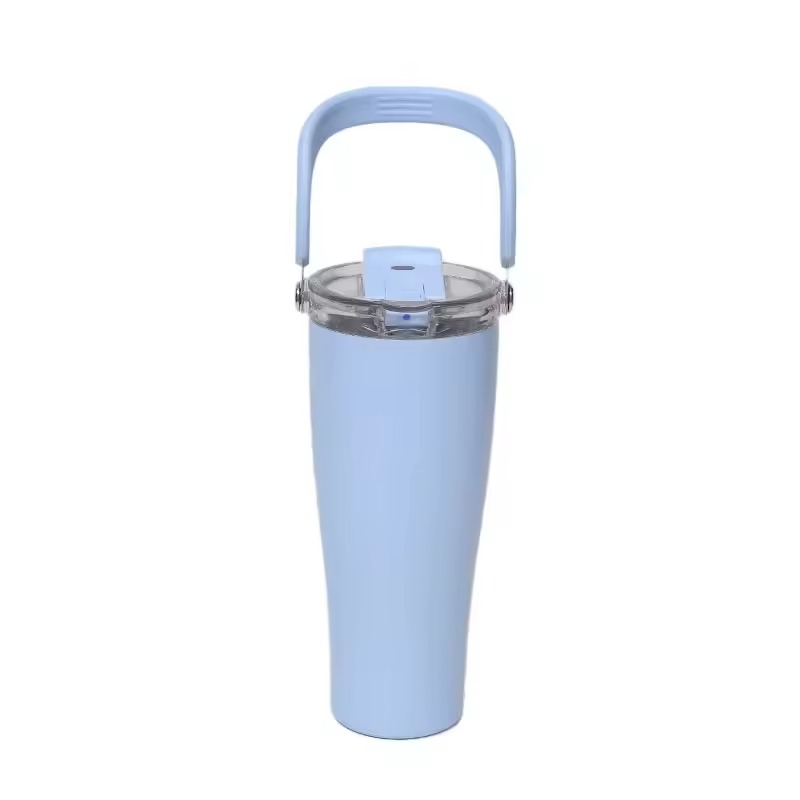
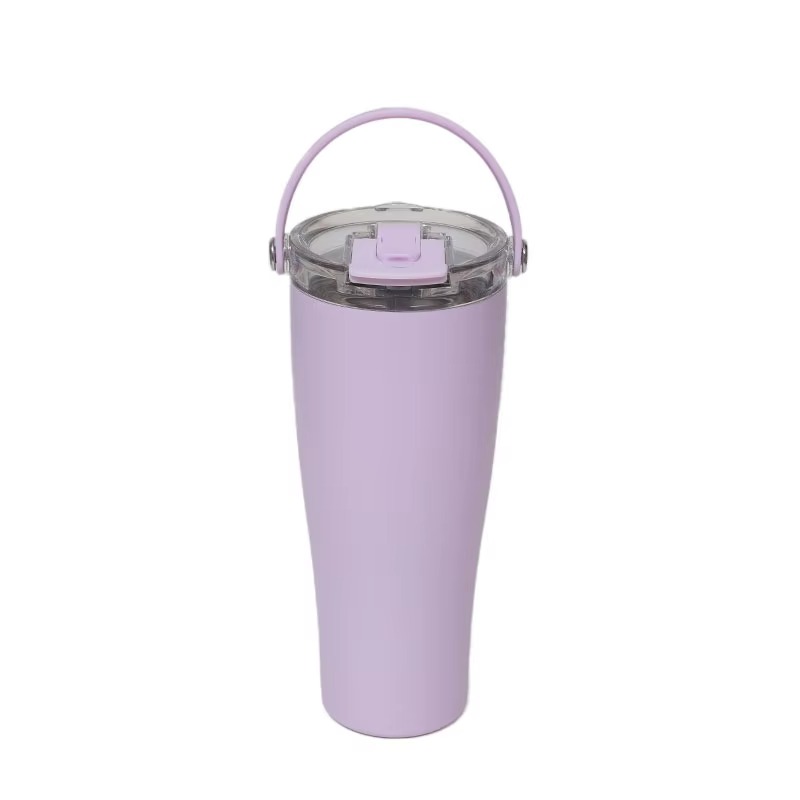
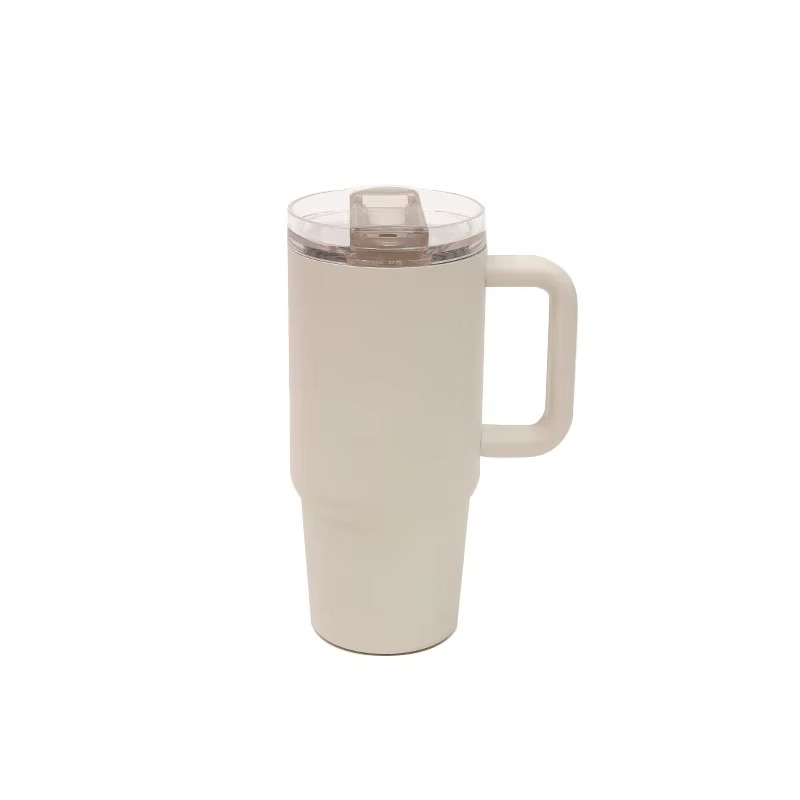
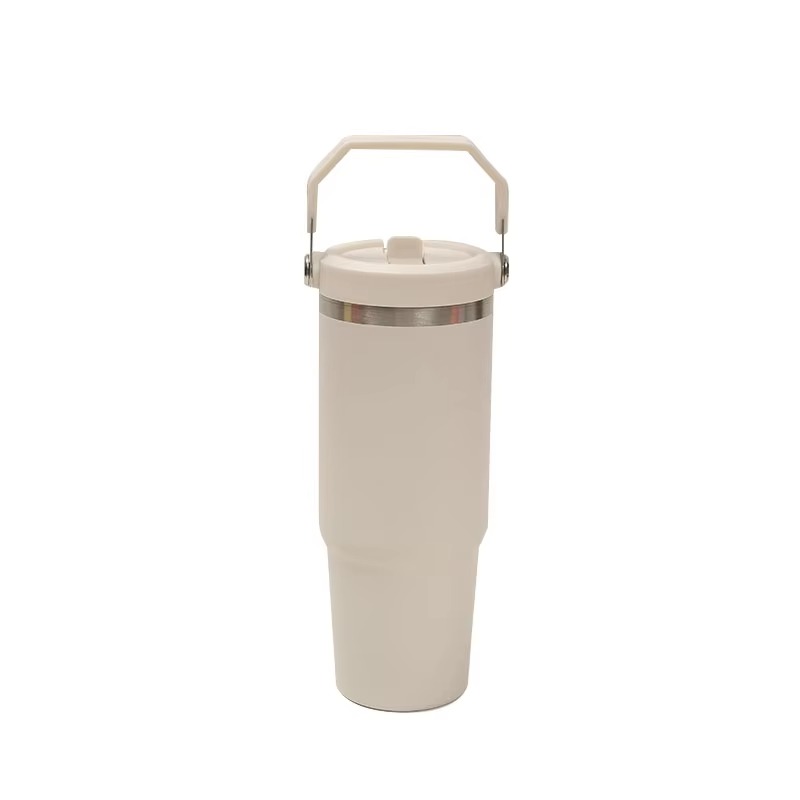
A tumbler that looks identical to a competitor's sample on a trade show table can still fail differently once it reaches a buyer's warehouse, because the part more likely to cause a return isn't the cup body — it's the lid. Manufacturing a Coffee Plastic Tumbler With Lid that holds up through daily handling requires closer attention to seal fit and material pairing than the finished product's simple appearance suggests.
Material Pairing Between Body and Lid
Production of a Coffee Plastic Tumbler With Lid typically pairs a food-grade plastic body with a lid molded from a separate material — commonly an AS resin combined with a silicone gasket — because the body and the sealing component need different physical properties. The rigid body resists denting and holds its shape under grip pressure, while the softer silicone element compresses just enough to form a seal against the rim without cracking under repeated open-close cycles. Factories running this two-material process need injection molding tooling calibrated separately for each component, since the shrink rate during cooling differs between rigid AS plastic and silicone, and a mismatch in tolerances at this stage is what produces a lid that fits loosely enough to leak.
Wide-Mouth Design and Assembly Tolerances
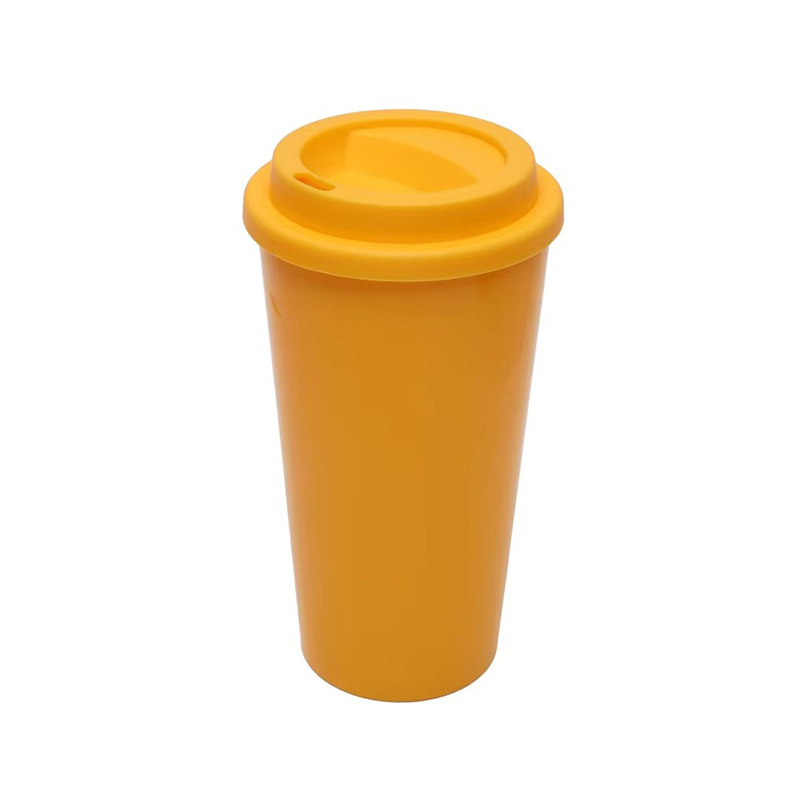
A BPA-free plastic tumbler built with a wide-mouth opening simplifies loading ice cubes or cleaning the interior, but a wider opening also increases the diameter the lid seal has to cover consistently around its full circumference. This tradeoff applies to nearly every Coffee Plastic Tumbler With Lid built on a wide-mouth body, regardless of which resin or lid mechanism the design uses. Assembly-line quality control checks seal fit at multiple points around the rim rather than a single test point, since an inconsistency in the molding process can create a seal that holds on one side while allowing a slow leak on the opposite side. This distinction matters more for wide-mouth designs than for narrow-neck bottles, where the smaller circumference leaves less room for tolerance variation to appear.
Comparing Lid Mechanisms Within the Category
|
Lid Mechanism |
Sealing Approach |
Typical Buyer Use Case |
|
Snap-Fit Lid |
Compression seal at rim |
Everyday desk or office use |
|
Screw-On Lid |
Threaded seal, tighter closure |
Transport-heavy commuter use |
|
Flip-Top Lid |
Silicone valve seal |
Frequent open-close cycling |
|
Straw-Access Lid |
Silicone straw grommet seal |
Continuous sipping use |
Buyers sourcing a Coffee Plastic Tumbler With Lid for promotional giveaways generally favor snap-fit designs for faster assembly and lower per-unit tooling cost, while buyers targeting daily-use retail channels often request screw-on or flip-top mechanisms for stronger seal reliability during transport.
Quality Control Specific to Sealed Lids
Beyond standard drop and stress testing, factories producing a food grade plastic cup run inverted-fill testing — filling a sample tumbler and holding it upside down for an extended period to confirm the seal holds under sustained pressure rather than only a brief tilt test. This check matters specifically for a Coffee Plastic Tumbler With Lid destined for transport-heavy use, since a seal that passes a quick visual inspection can still fail once it experiences the sustained inversion that happens inside a bag or car cup holder. Batch-level testing, rather than sampling only the earliest units off a production run, catches tooling drift that develops as molds wear over an extended run.
Customization Without Compromising Seal Integrity
Buyers requesting a custom logo tumbler version of a Coffee Plastic Tumbler With Lid for corporate or event branding should confirm with the supplier whether pad printing, laser etching, or heat transfer will be applied to the body or the lid, since decoration applied too close to the sealing rim can interfere with gasket contact. Color customization on the body typically has no effect on seal performance, but structural changes to lid shape for branding purposes should go through the same inverted-fill testing as a standard production run before a full order is confirmed. Factories supporting promotional drinkware programs at scale generally keep body and lid tooling separate for this reason, allowing color and branding flexibility on the body while holding lid dimensions constant across an entire product line.
 Previous