 search
 English
 English
 Español
 русский
Industrial News
The market for personal drinkware continues to show strong interest in a product that combines practicality with an eco-conscious appeal: the insulated water bottle. These vessels, designed to maintain beverage temperature for extended periods, have moved beyond niche outdoor gear to become everyday essentials for a wide demographic. The growing popularity of the insulated water bottle is linked to heightened awareness of healthy hydration habits, environmental concerns, and a desire for reliable performance in various daily activities.
The core technology behind an effective insulated water bottle is typically double-wall vacuum insulation. This construction involves two stainless steel walls with a vacuum-sealed space between them, which dramatically reduces heat transfer through conduction and convection. This engineering allows a high-quality insulated water bottle to keep cold liquids chilled for a day or more and hot drinks warm for several hours. The performance of an insulated water bottle provides consistent convenience, whether for keeping water cool during a summer commute, preserving ice in a sports bottle during a workout, or ensuring tea or coffee remains hot throughout a workday.
Material quality is paramount for the durability and safety of an insulated water bottle. Many premium products are crafted from food-grade 304 or 316 stainless steel, which is resistant to corrosion and does not retain flavors or odors. The interior of a standard insulated water bottle is usually unlined, as the inert stainless steel poses no leaching risk, contrasting with some older aluminum bottles that required a polymer coating. The exterior often features a durable powder coat or painted finish for grip and aesthetics, with designs ranging from sleek and smallist to colorful and patterned.
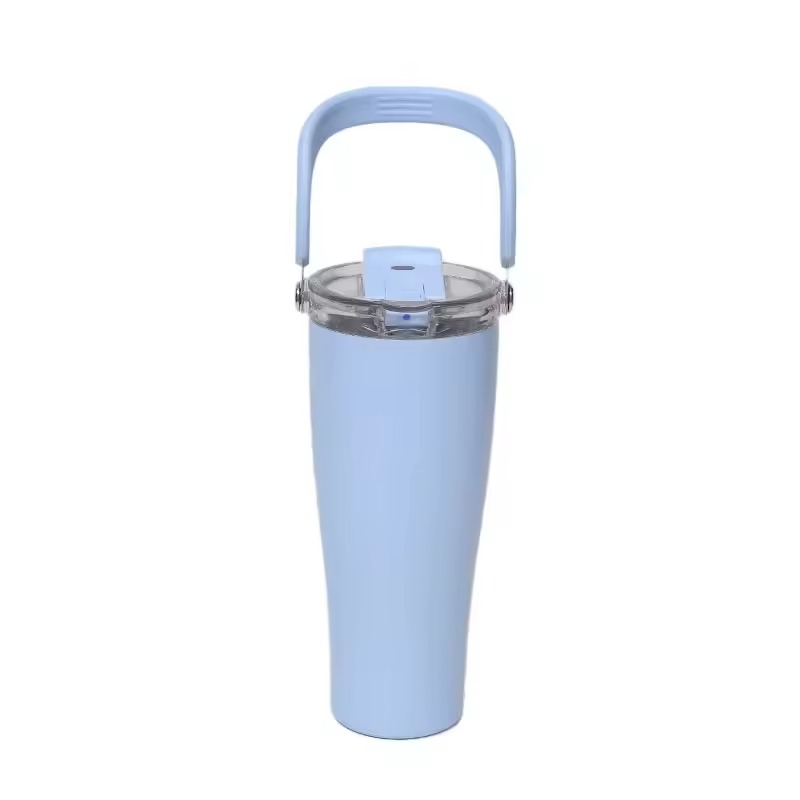
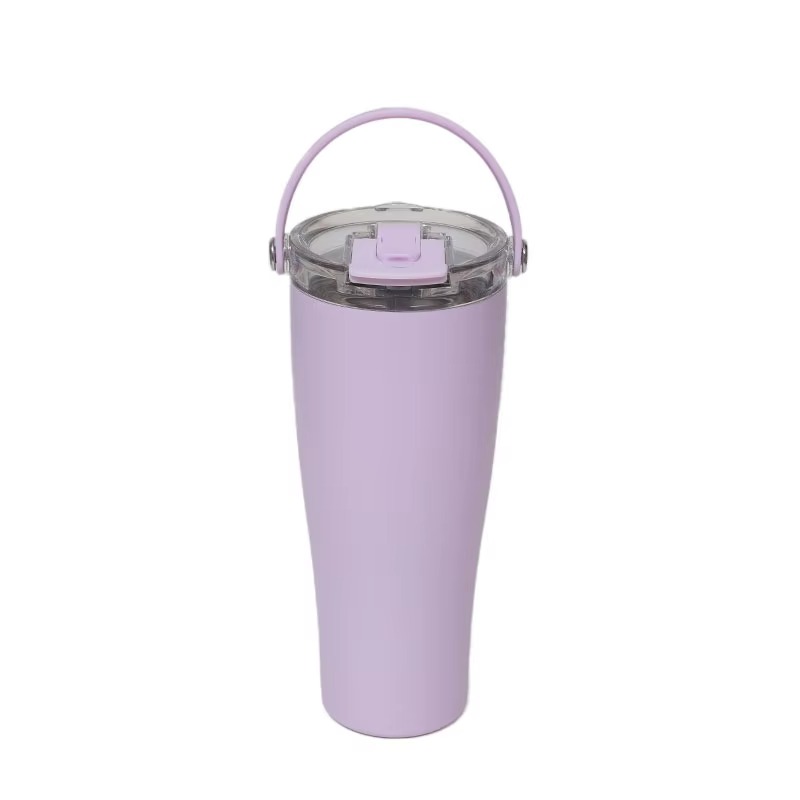
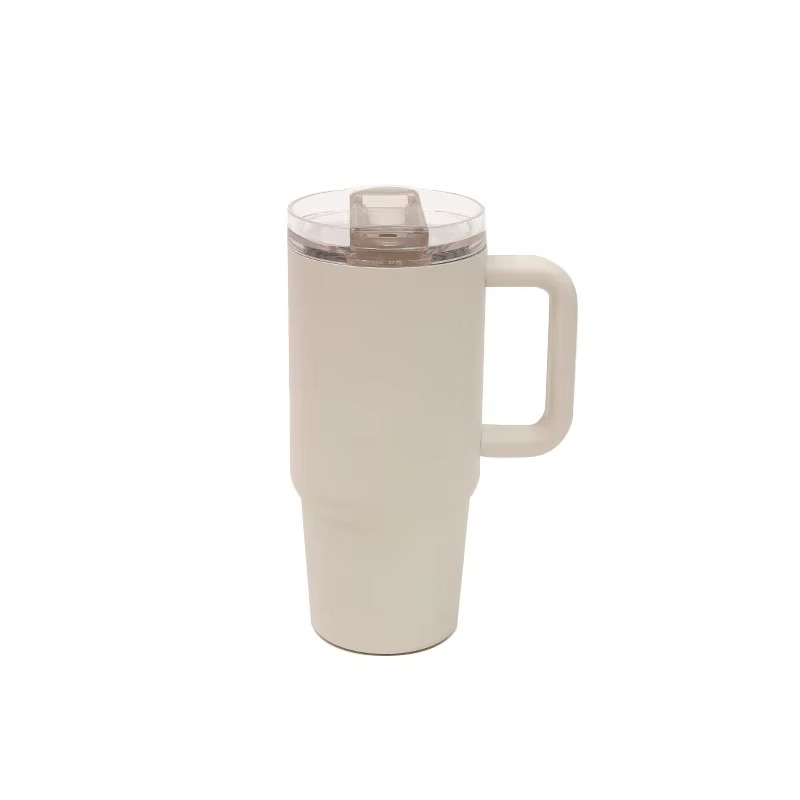
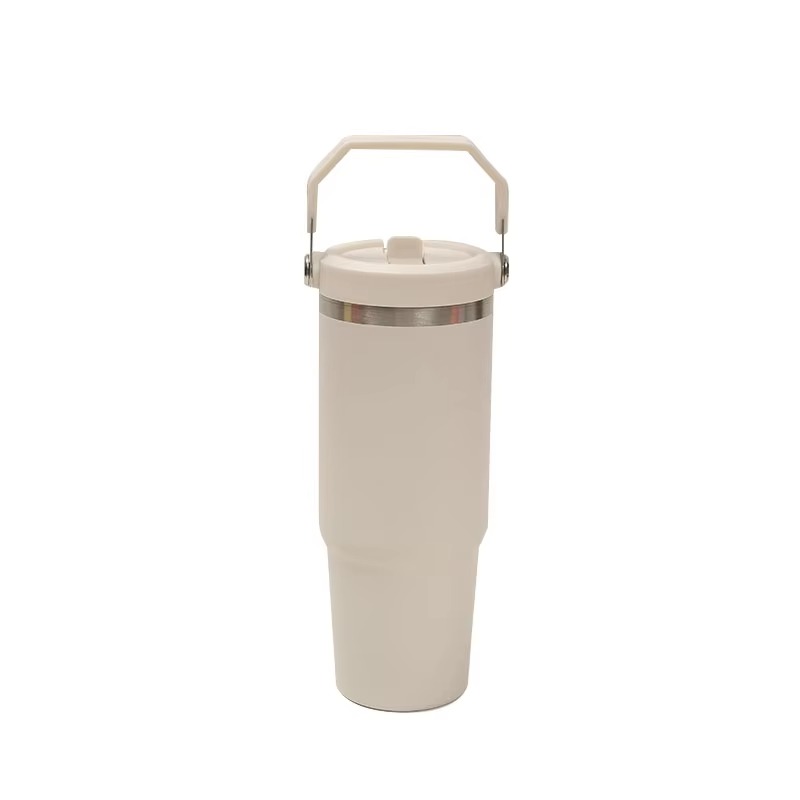
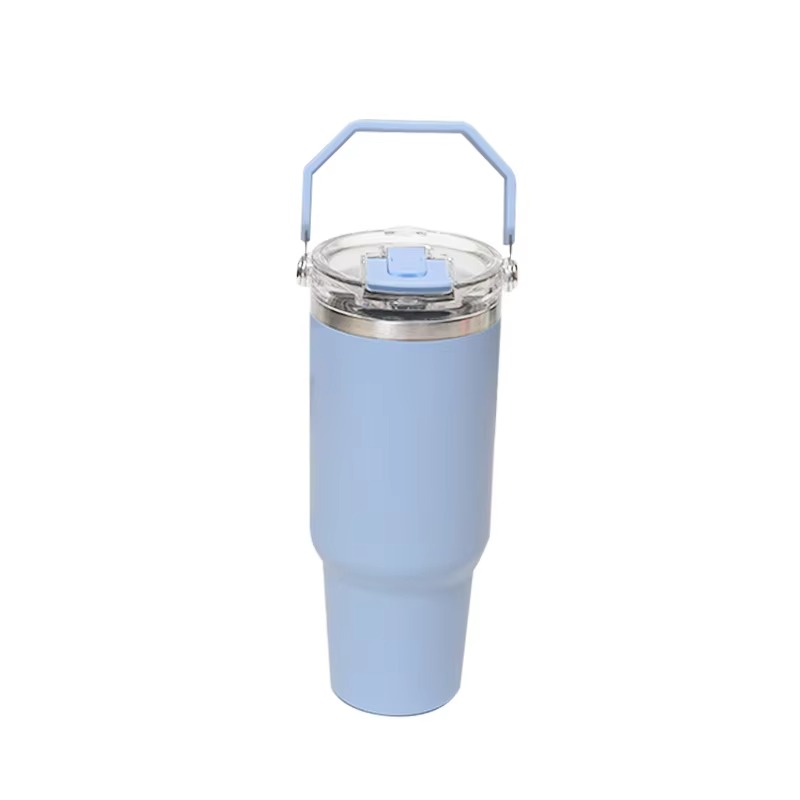
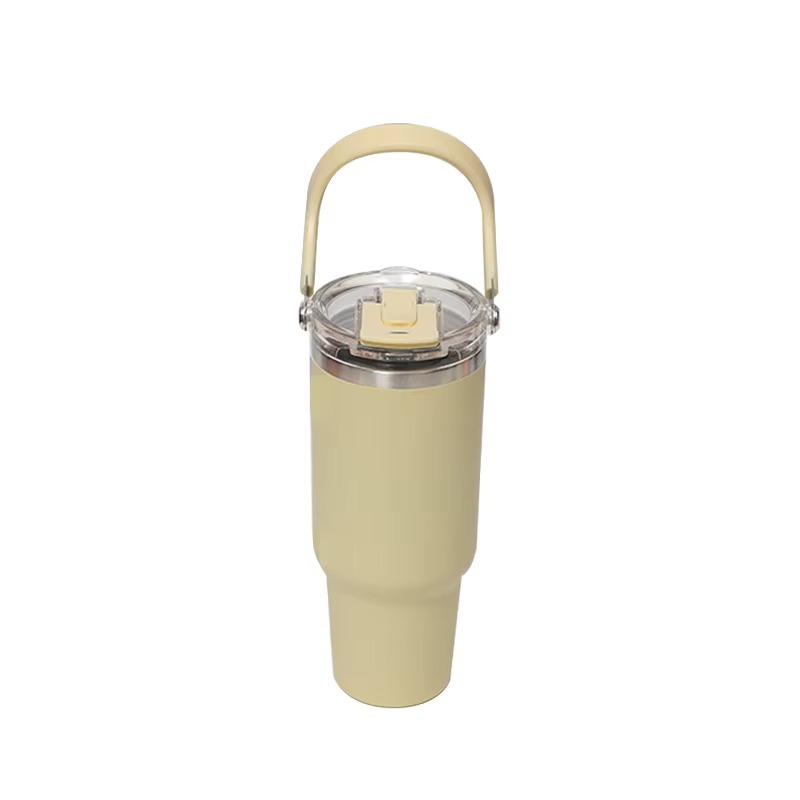
The functional benefits of the insulated water bottle directly support modern, mobile lifestyles. For professionals, students, and travelers, it ensures access to a preferred-temperature beverage without reliance on single-use cups or disposable bottles. Fitness enthusiasts value the insulated water bottle for providing cold hydration during extended exercise, which can aid performance and recovery. Parents utilize insulated water bottle products for children’s lunches and activities. The product’s versatility is further enhanced by design features like leak-proof lids, flip-top straws for easy sipping, wide mouths for adding ice, and carrying loops or sleeves for portability.
Environmental considerations are a significant driver in the shift toward reusable insulated water bottle use. As public discourse intensifies around plastic pollution and resource conservation, carrying a personal insulated water bottle represents a simple, tangible step toward reducing waste. The ability of a single insulated water bottle to replace hundreds of disposable plastic bottles over its lifespan resonates with environmentally conscious consumers. This aspect has also made the insulated water bottle a popular corporate gift item, aligning brand promotions with sustainability values.
Innovation in the insulated water bottle category is expected to focus on enhancing user experience and sustainability. This may include improvements in lid mechanics for easier cleaning, the development of even more effective insulating materials or geometries, and a greater integration of recycled content in manufacturing. The fundamental value proposition of the insulated water bottle—delivering reliable temperature control in a durable, reusable format—aligns well with enduring trends in health, convenience, and environmental responsibility. As such, it is positioned not as a passing fad, but as a solidified staple in daily life, supporting hydration needs while reflecting a more considered approach to consumption.
 Previous