 search
 English
 English
 Español
 русский
Industrial News
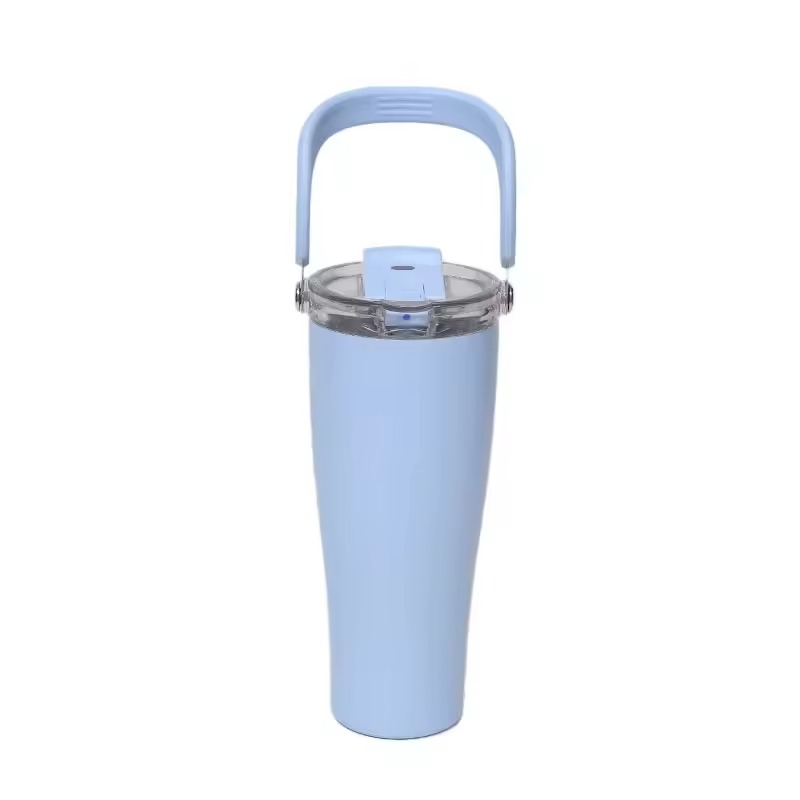
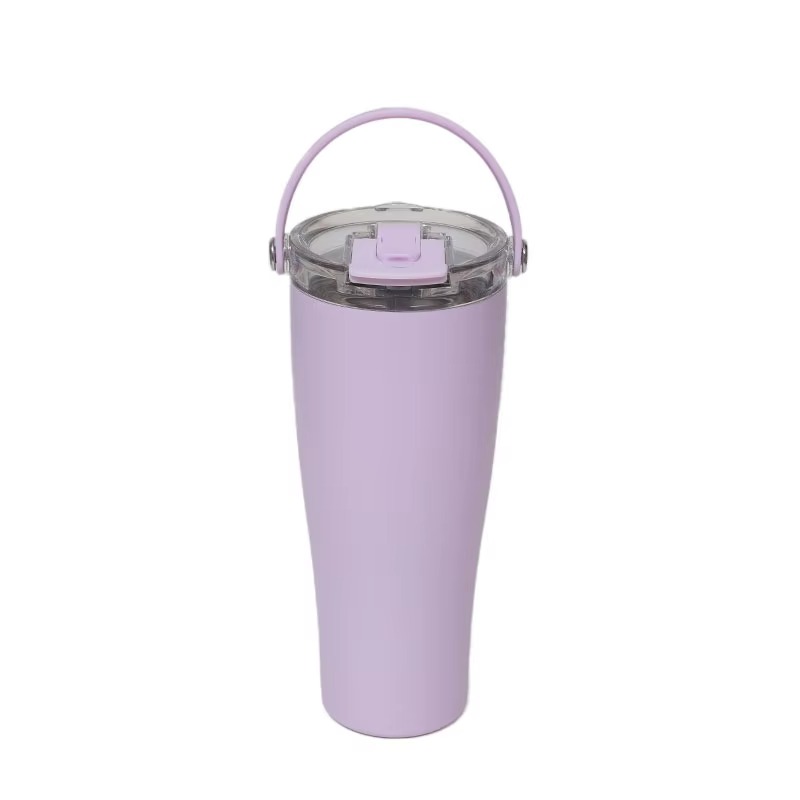
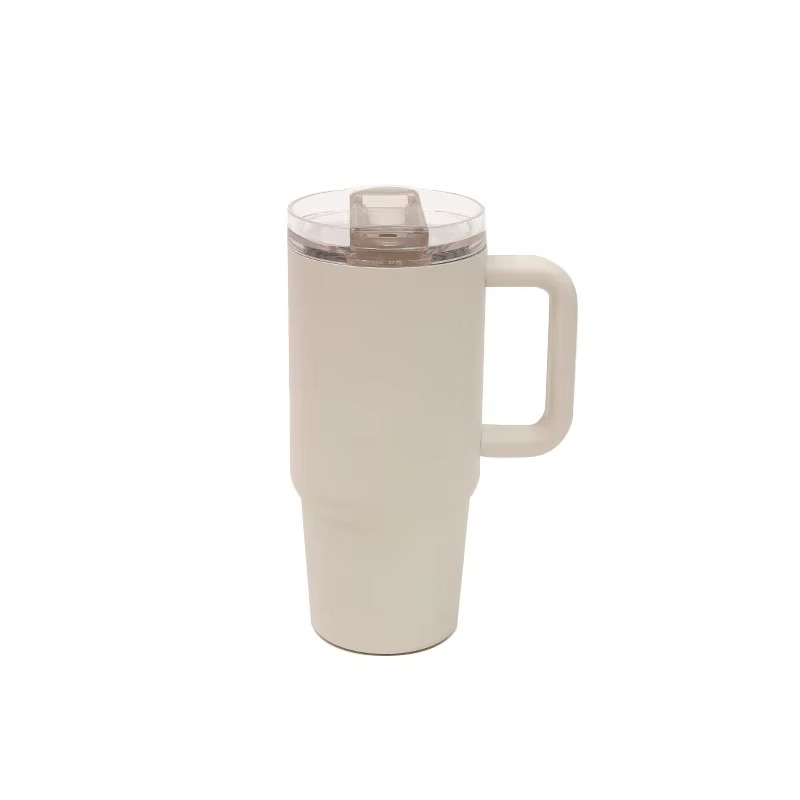
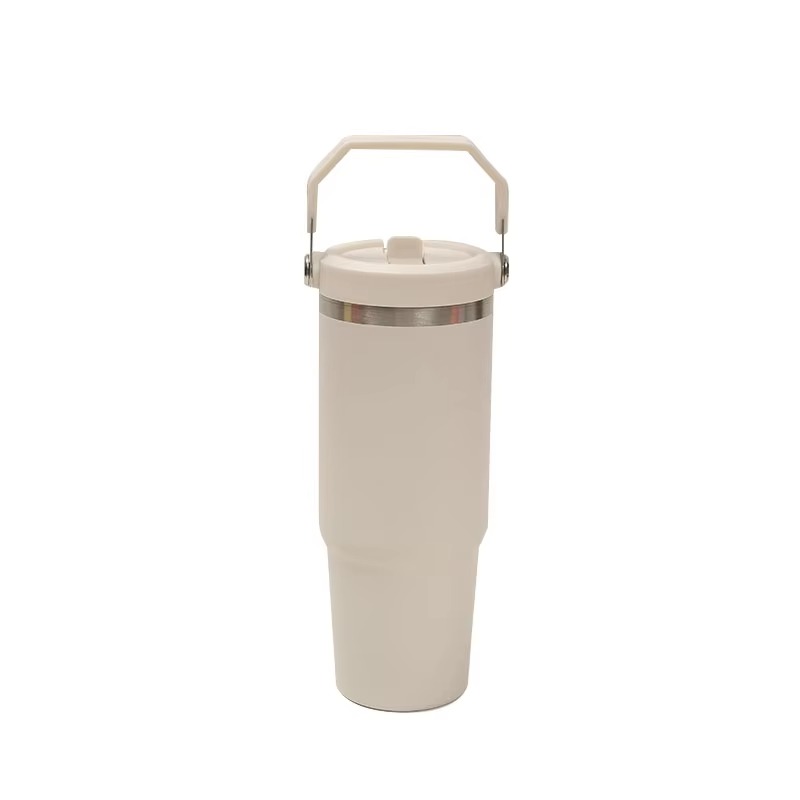
In households, offices, and countless social gatherings worldwide, the plastic tumbler remains a ubiquitous presence. This simple, unassuming vessel—typically defined as a sturdy, handle-less cup—is a cornerstone of modern convenience, offering durability and disposability at a low cost. Yet, its very prevalence has placed it at the heart of intensifying debates about consumption, waste, and sustainable alternatives.
Manufactured primarily from polypropylene or polystyrene, plastic tumblers are favored for their resistance to breaking and their outstanding insulation properties, keeping drinks hot or cold effectively. Their design is straightforward, prioritizing function over form, which has led to mass adoption in various settings. From casual backyard barbecues to large-scale conferences, they serve as a reliable, no-fuss solution for serving beverages. The economic argument for their use is powerful, providing an affordable option for both consumers and event organizers who require practical, single-use items.
However, the environmental narrative surrounding these everyday items is markedly different. Despite increasing public awareness, a significant proportion of plastic tumblers are not recycled. Many end up in landfills, where they can persist for centuries, or worse, as litter in natural environments and waterways. Their lightweight nature makes them prone to being carried by wind and rain, contributing to plastic pollution. Even when disposed of correctly, the recycling process for such items can be complex, often hampered by contamination from leftover liquids or the mixing of different polymer types.
The growing scrutiny has spurred notable innovation in the market. Manufacturers and material scientists are actively exploring and commercializing alternatives. Compostable options made from plant-based materials like polylactic acid (PLA) are gaining traction, designed to break down under specific industrial conditions. Simultaneously, there is a pronounced cultural shift encouraging the use of reusable tumblers made from stainless steel, glass, or more durable, long-lasting plastics. Many consumers are now choosing to carry their own cups, driven by both environmental concern and sometimes by financial incentives offered by cafes and restaurants.
This transition is not without its challenges. Compostable alternatives often require specific, high-temperature facilities to decompose effectively, which are not available in all municipalities, potentially pilot to contamination in recycling streams if consumers are confused. Reusable options, while better in the long term, require changes in habit and carry upfront production impacts. The plastic tumbler, therefore, sits in a complex space—still widely used due to its undeniable practicality, but increasingly viewed as a symbol of a throwaway culture society is striving to move beyond.
Industry analysts observe that the future of the plastic tumbler will likely be bifurcated. In contexts where hygiene and convenience are paramount, such as certain healthcare settings or large public events, their use may continue, with a stronger push towards establishing closed-loop collection and recycling systems. For everyday personal use, however, the market trend is steadily leaning towards durable, reusable products. The demand for sustainable materials is pushing traditional producers to adapt their lines, investing in research for improved biodegradable polymers and recycled content.
The story of the plastic tumbler reflects a broader societal negotiation. It highlights the tension between ingrained habits of convenience and the urgent imperative for environmental responsibility. Its journey from a symbol of practical modern living to an artifact of a less sustainable past is not yet complete, but the path forward is clearly marked by innovation, regulation, and a collective rethinking of what true convenience should cost our planet.
 Previous