 search
 English
 English
 Español
 русский
Industrial News
A bottle is often judged by appearance at first glance, but daily use tells a different story. People carry it in bags, place it in cup holders, hold it with one hand while walking, and clean it after long days of use. Small choices in shape, lid style, surface feel, and inner structure can change how the bottle behaves in real situations.
A travel bottle is expected to do several things at once. It should be easy to carry, simple to open, comfortable to hold, and steady enough to stay useful after repeated use. That balance is not accidental. It comes from design decisions made long before the bottle reaches a shelf or a warehouse.
For a manufacturer, the process is less about adding features and more about arranging the right details in the right place. A clean shape can still feel awkward in the hand. A bottle that looks compact may still be difficult to clean. A lid that seems simple may become troublesome once people start using it every day. These are the kinds of issues that matter when a product is meant for regular travel, not just display.
How Does a Travel Insulated Bottle Fit Modern Travel Lifestyles
People do not carry drinks for a single purpose anymore. A bottle may sit beside a laptop in the morning, move into a car by noon, and end up in a backpack for an evening walk. That is why design has shifted toward flexibility. The bottle has to suit different parts of the day without becoming inconvenient in any of them.
In modern routines, portability matters almost as much as function. A product can hold temperature well and still feel like a burden if it is awkward to carry. The body shape, grip, and opening style all affect whether a person enjoys using it or leaves it at home.
A few common use patterns show how broad the need has become:
- Office routines need a bottle that stores neatly and opens without fuss.
- Outdoor walks need a body that feels secure in the hand.
- Road use needs a lid that stays closed and is easy to handle during short stops.
- Short trips need a shape that fits into bags without taking over the space.
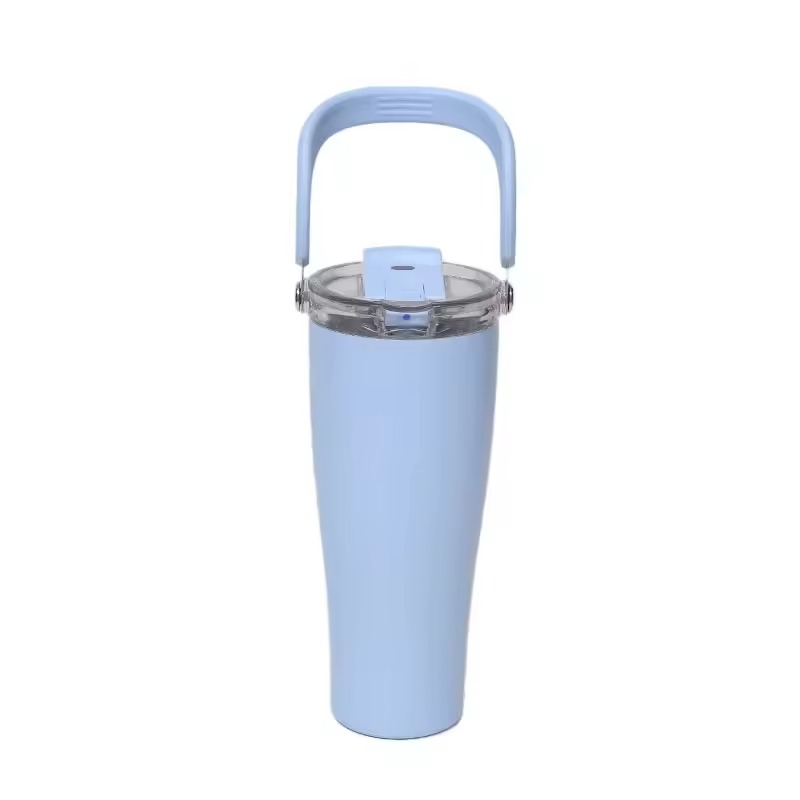
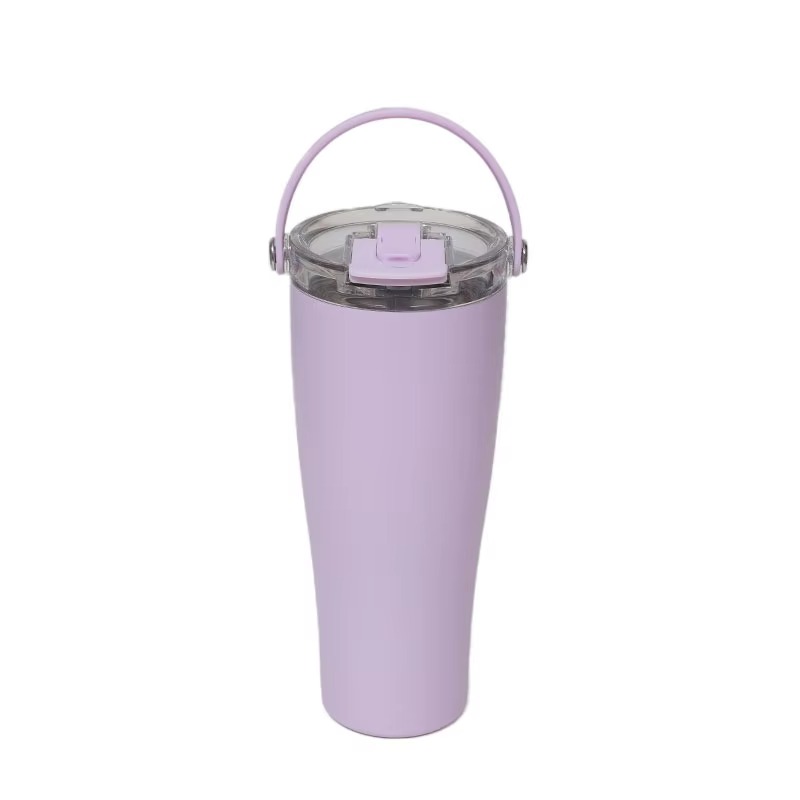
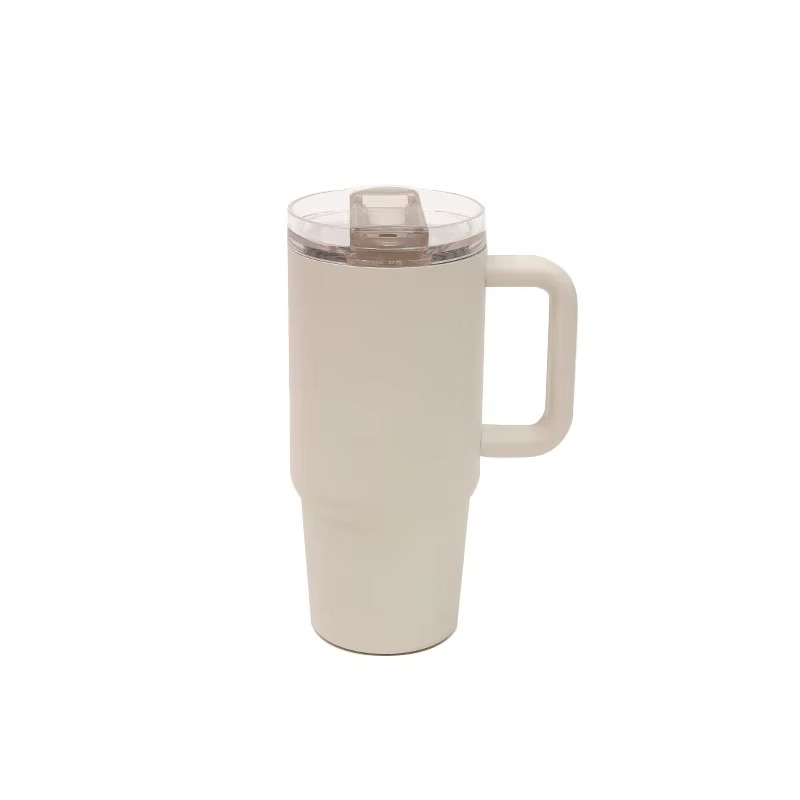
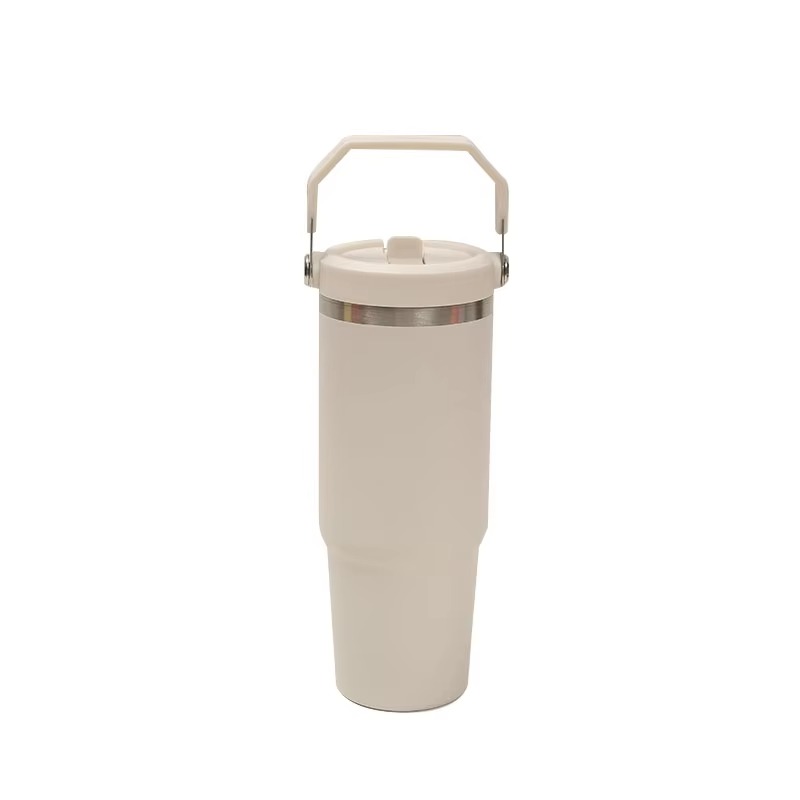
A Travel Insulated Bottle fits these patterns when it behaves like part of the routine rather than an extra object to manage. That is where practical design begins.
Why Does Vacuum Insulation Matter in a Travel Insulated Bottle Design
The internal structure matters because it affects temperature control and comfort. If a bottle is meant to carry warm or cool drinks, the walls need to slow down heat transfer. That is where the hidden structure becomes important.
A separated inner wall and outer wall help reduce the direct path for temperature change. In simple terms, the drink stays closer to its original condition for longer because outside air has less influence. The idea is straightforward, but the quality of the result depends on how carefully the bottle is made.
Manufacturing details affect this part of the bottle more than many people expect. If the seal is uneven or the structure is not consistent, performance can shift from one unit to another. That is one reason makers pay attention to wall connection, sealing, and assembly accuracy.
The insulation layer also changes how the outside of the bottle feels in use. A bottle carrying a warm drink should not become uncomfortable to hold. A bottle carrying a cool drink should not gather excess moisture on the outer surface. These are everyday concerns, not abstract technical points.
A Travel Insulated Bottle with a thoughtful internal build usually feels calmer in use. It does not draw attention to itself. It simply does the job while staying easy to handle.
What Details Make a Travel Insulated Bottle More Convenient to Carry Every Day
Convenience often comes from small things that are easy to overlook. A bottle can be well insulated and still feel tiring if the body shape is hard to grip or the cap is annoying to open. That is why the outer design deserves close attention.
The body should feel balanced in the hand. If it is too wide, it may be uncomfortable for smaller hands. If it is too narrow, it may feel unstable when lifted quickly. Surface texture also matters, especially when the bottle is used outdoors or while moving between tasks.
The lid is another practical point. Some users want a simple twist-off cap. Others need a lid that supports quick sipping. A lid that is easy to close matters too, because people often carry the bottle in a bag and do not want to think twice about spills.
A few details often make the biggest difference:
- A shape that sits naturally in the hand
- A finish that does not feel slippery
- A lid that opens and closes without awkward force
- A body that fits inside common storage spaces
These are not dramatic features, but they influence whether the bottle becomes part of daily habits. The more natural it feels, the more often it gets used.
Which Travel Insulated Bottle Capacity Fits Your Outdoor and Travel Needs
Capacity should match the kind of movement the bottle will see. A small bottle may be enough for short errands, while longer outings may call for something with a little more room. The point is not to choose the largest option. The point is to match the bottle to the day.
Different routines tend to favor different shapes and sizes. Someone who carries a bottle in a handbag may want a slim form. Someone spending time outside may prefer a size that reduces refilling. Someone commuting between places may care more about balance than total volume.
| Usage Situation | What Usually Matters |
|---|---|
| Short daily errands | Easy carrying and quick access |
| Work routines | Storage convenience and neat handling |
| Outdoor time | Enough drink for longer use |
| Travel days | Balance between size and portability |
Choosing by habit often works better than choosing by guess. A bottle that feels slightly too large may stay at home. A bottle that feels too small may become inconvenient after a few hours. The right fit usually feels unremarkable in the best way.
How to Choose a Travel Insulated Bottle Based on Material, Lid, and Usage Scenarios
Material choice affects how a bottle feels, how it wears over time, and how easy it is to maintain. A strong body helps the bottle handle regular use, while the inside finish influences cleaning and taste. Users do not always notice material quality right away, but they notice the results later.
The lid deserves the same level of attention. A lid that works well for office use may not be as comfortable for walking or outdoor movement. Some lids favor simple drinking. Others are shaped for easier sealing. A good match depends on when and where the bottle will be used.
Before choosing, it helps to compare a few points side by side:
| Feature | What to Think About |
|---|---|
| Body material | Durability, cleaning, daily handling |
| Lid style | Drinking habit, sealing, convenience |
| Shape | Storage space, grip, balance |
| Surface finish | Hold comfort and wear resistance |
The Travel Insulated Bottle that suits one person may not suit another. That is normal. The more a product reflects the user's habits, the less effort it takes to live with it.
How Does a Travel Insulated Bottle Improve Your Drinking Experience During Trips
Travel changes how people drink. At home, a cup may sit nearby and be easy to reach. On the road, in a park, or between stops, that ease disappears. A bottle becomes useful when it fills that gap without creating new problems.
The drinking experience is shaped by more than the drink itself. It includes how fast the lid opens, whether the bottle fits in a bag or vehicle space, and how comfortable it feels during movement. If the bottle is awkward to handle, people may drink less often than they intended.
That is why good travel design tends to stay quiet. It reduces small interruptions. It lets the user take a sip, close the lid, and continue moving. It also helps when the bottle is stored for a while and then used again without much effort.
Some parts of the experience are easy to miss until they go wrong:
- A lid that takes too much force
- A shape that rolls around in storage
- A mouth opening that feels awkward during use
- A finish that becomes unpleasant after regular handling
A well-designed bottle keeps these issues in check and lets the drink take center stage.
Tips for Maintaining a Travel Insulated Bottle and Keeping It Ready for Long Term Use
Care matters because daily use slowly changes any product. Even a bottle built with solid materials needs routine cleaning and proper storage. Maintenance does not have to be complicated. It only needs to be steady.
After use, rinsing the inside and cleaning the lid help prevent residue from building up. Bottles used for flavored drinks, tea, or coffee need a little more attention than those used only for water. Hidden corners around seals and closures are worth checking, since they can hold moisture longer than expected.
A few habits can help keep the bottle in better condition:
- Rinse soon after use
- Dry all parts before storing
- Clean the lid with attention to small spaces
- Avoid rough handling that may damage the surface
The outside also benefits from care. A scratched surface or worn finish does not always affect function, but it can change how the bottle feels in daily use. Good maintenance keeps the bottle ready without adding extra work.
What Should You Know Before Choosing a Travel Insulated Bottle for Daily Use
The final choice is rarely about one feature alone. It is usually a mix of shape, weight, lid style, body material, and how the bottle will fit into existing routines. A person who travels by car may care about storage and lid access. A person who walks between places may care more about grip and weight. A person who uses the bottle in an office may focus on quiet handling and easy cleaning.
Before choosing, a few practical questions can help narrow the field:
- Where will the bottle be used most often?
- How often will it be carried?
- Which drink types will it hold?
- How much cleaning time feels reasonable?
- Does the lid match the way the bottle will be used?
A Travel Insulated Bottle works well when it fits the user without demanding attention. That is usually the mark of a thoughtful design. It feels direct, useful, and steady in daily life. For manufacturers, that means every part of the bottle needs to support the same goal: simple use in changing environments.
 Previous