 search
 English
 English
 Español
 русский
Industrial News
Home / News / Industrial News / Which Is Right for Your Routine: 40oz Stainless Steel Tumbler or a Water Bottle
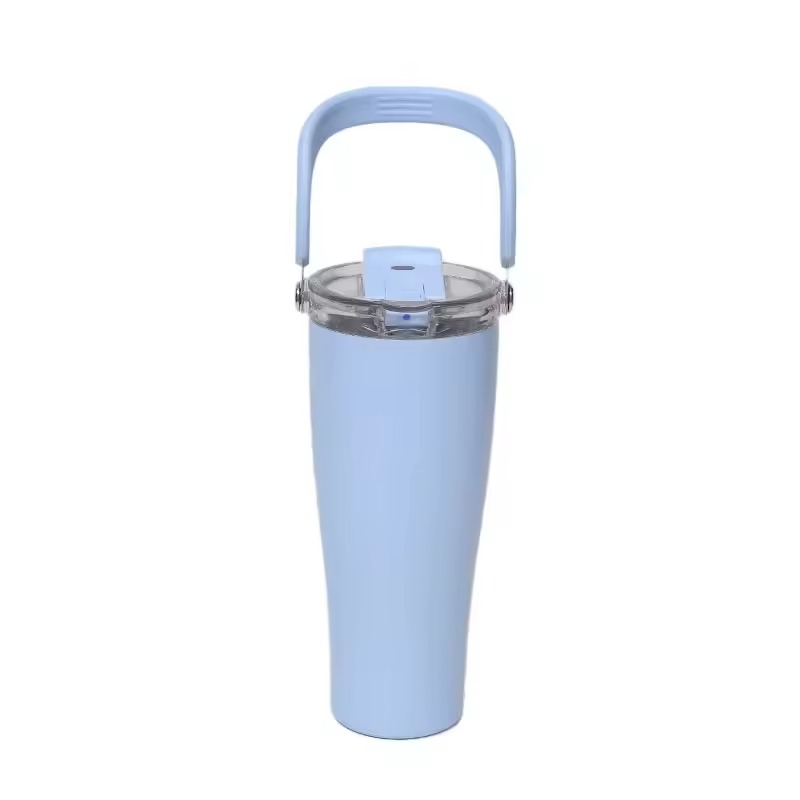
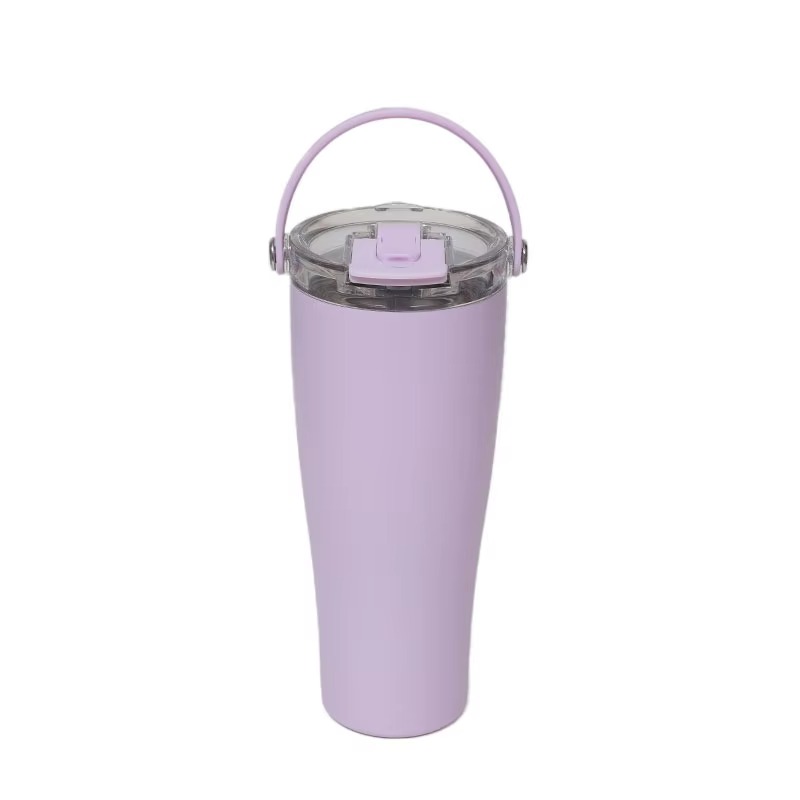
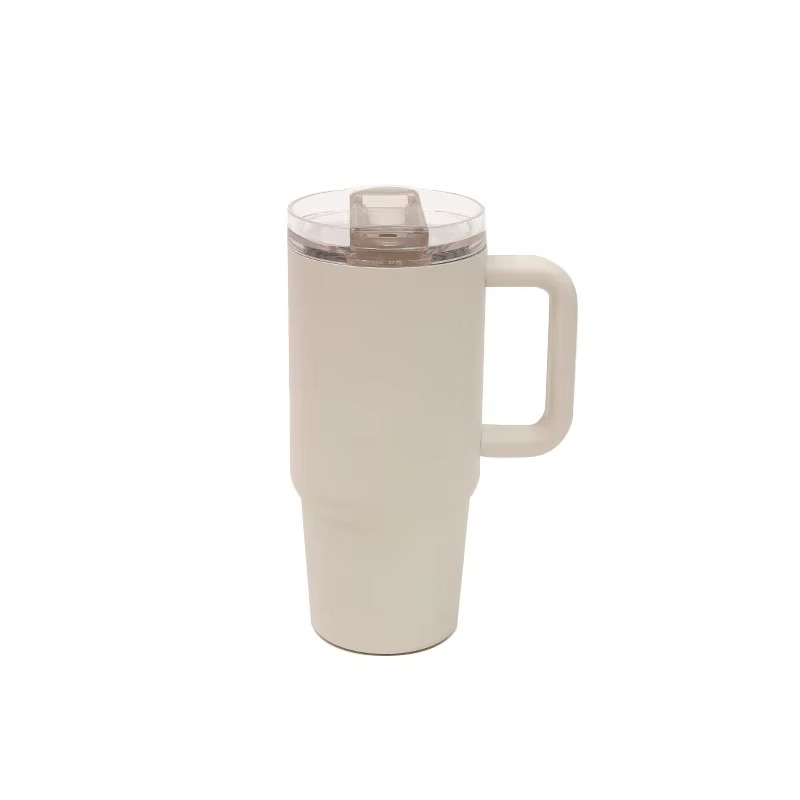
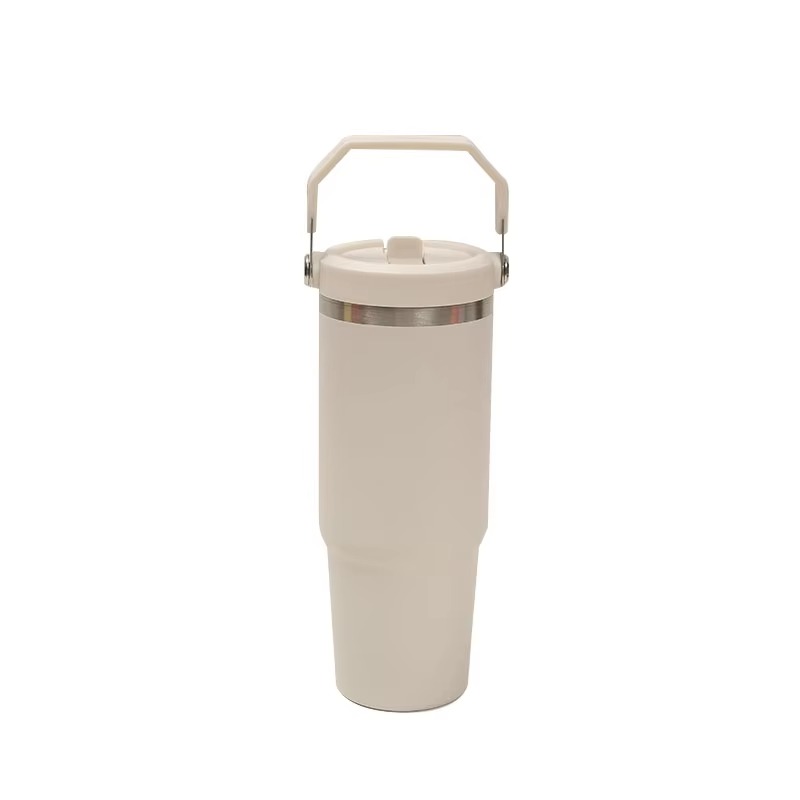
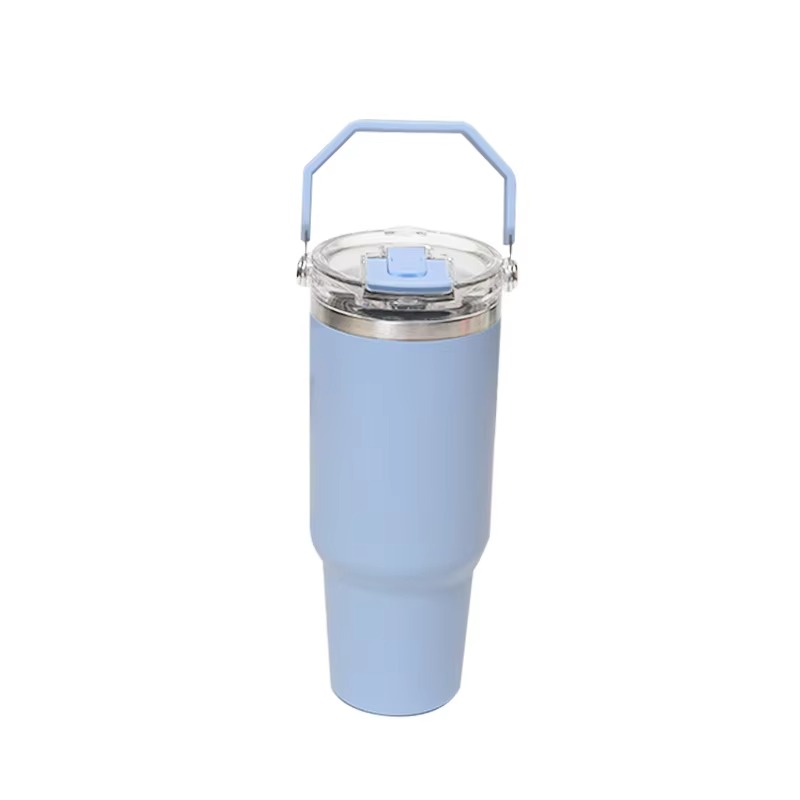
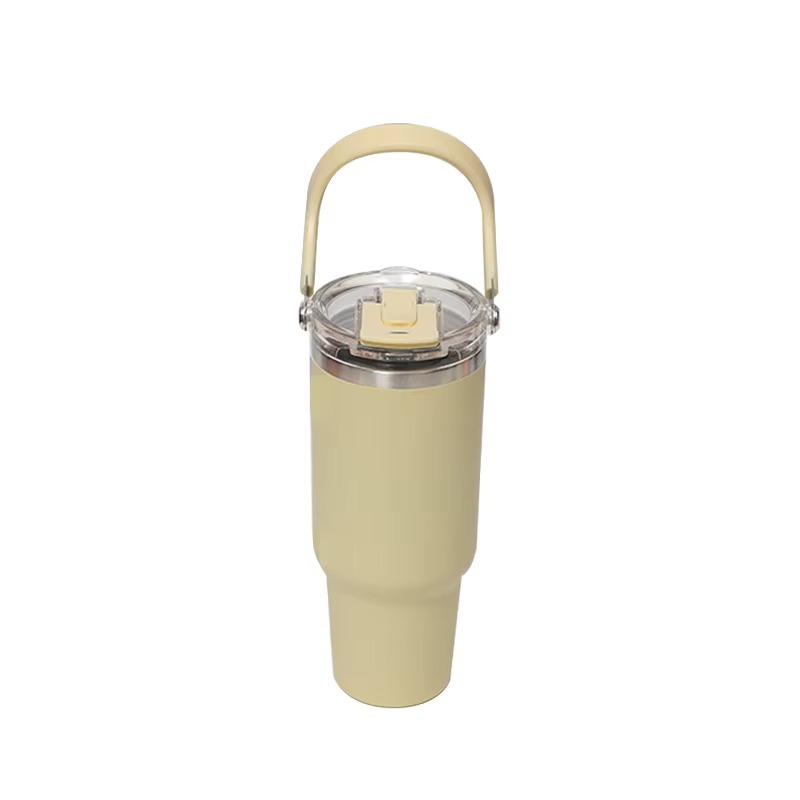
In an era where carry-along drinkware has become part of everyday gear, readers and commuters alike face a practical choice: should the day’s companion be a broad-mouthed tumbler or a slim water bottle? The comparison is more than surface-level: each option responds to different needs, habits and environments. The phrase 40oz Stainless Steel Tumbler appears regularly in conversations about durable, temperature-aware vessels,.
Newsroom observers who cover consumer trends note that selection often starts with a simple question: where will it go and how will it be used? For many people, the decision breaks down into practical categories.
A tumbler is commonly chosen for seated or mixed routines — a morning hot beverage that transitions to a cold afternoon drink without changing vessels. Conversely, a water bottle is often preferred for more mobile scenarios where narrow profiles and lightweight design simplify carrying and handling.
Materials shape long-term performance. Metal-bodied containers are noted for their resistance to everyday surface wear and can stay visually tidy through frequent use. Glass offers a neutral taste experience but introduces fragility. Molded plastics reduce weight and may be forgiving on impact, though they can show surface marks over time. These material tendencies should be weighed against how rough or gentle the typical day will be.
tends to resist dents and scratches
often pairs with insulating construction that supports temperature control
provides inert surfaces for taste clarity
carries a higher risk of breakage in transit
light for hiking or active use
can be vulnerable to surface wear over long-term use
For people who evolve through different drink types during a single day, a vessel designed to moderate temperature can make a big difference in enjoyment. Insulating constructions preserve the character of hot or cold beverages for extended periods compared with single-walled vessels. If the goal is steady sipping at a desk or on a long drive, a container that handles temperature transitions without flavor transfer or heat transfer to the hand is often favored.
A key phrase that appears in contemporary reviews is 40oz Stainless Steel Tumbler, which reflects an interest in a particular balance of capacity, durability and insulation. The term signals a category of vessel intended to serve as a versatile daytime companion — roomy enough to reduce refill frequency while built to handle the bumps of daily transit.
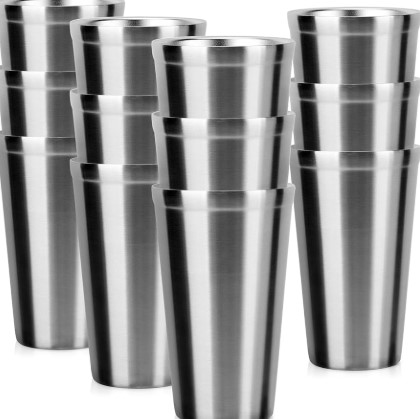
Design defines convenience. Slim water bottles excel at slipping into tight spaces and fitting in narrow cup holders. Tumblers with wider mouths and stouter profiles can be easier to sip from and to clean, and they often accept a wider variety of drink temperatures and additions like ice or froth.
A frequent, low-effort cleaning routine extends a vessel’s life and reduces lingering flavors. Rinsing after each use, separating lids to air out seals, and avoiding abrasive cleaners that dull surfaces are simple habits that sustain performance. Materials that tolerate regular scrubbing and that do not trap odors are often more pleasant for long-term daily use.
rinse after use
allow components to dry fully
use gentle cleaners for stubborn residue
inspect seals and lids for wear
| Feature / Use case | Water Bottle (typical) | Tumbler (typical) |
|---|---|---|
| Primary advantage | slim profile for carrying | adaptability for hot and cold drinks |
| Carry scenarios | active, on-the-go, fits narrow holders | desk, vehicle, longer stints without refills |
| Cleaning ease | narrow openings may require brush | wide mouths simplify manual cleaning |
| Impact resistance | lighter weight, can be plastic or metal | metal options often stand up to knocks |
| Temperature behavior | single-wall types change faster | insulated options preserve temperature |
| Typical user | hikers, gym-goers, commuters | mixed users, long commutes, office routines |
Choosing a reusable container connects to broader choices about waste reduction and repeated use. Selecting a material that matches one’s routine helps ensure the vessel will be used consistently, which in turn increases the environmental benefit. For example, a durable container that fits into the places a person already carries items is more likely to become a daily habit than one that is awkward to transport.
A lid is more than a cap — it mediates spill control, sip comfort and how well a vessel preserves temperature. Seals and delivery mechanisms vary widely; reading product descriptions and user notes about lid longevity and seal integrity is a practical step. Over time, seals may require replacement or more attentive cleaning to maintain performance.
The day-to-day partner in your bag or cup holder should reflect how you live and move. For those who rotate between hot beverages in the morning and cold drinks later on, a roomy, durable tumbler with insulating features will serve as a flexible companion. For those whose days demand compact carry and quick sips, a streamlined bottle will keep things simple and light. Either way, choosing a vessel that fits the rhythm of your daily life reduces friction and makes repeat use natural.In closing, if you’re exploring options and want to learn more about suppliers and the range of styles available, take a look at automugfactory for inspiration and selection notes tailored to different routines.

Yongkang Xiaoyu Industry & Trade Co., Ltd. is a professional manufacturer of travel mugs, plastic cups and insulated cups. It is mainly engaged in the design, manufacture and sales of plastic cups and thermos cups.
 Previous