 search
 English
 English
 Español
 русский
Industrial News
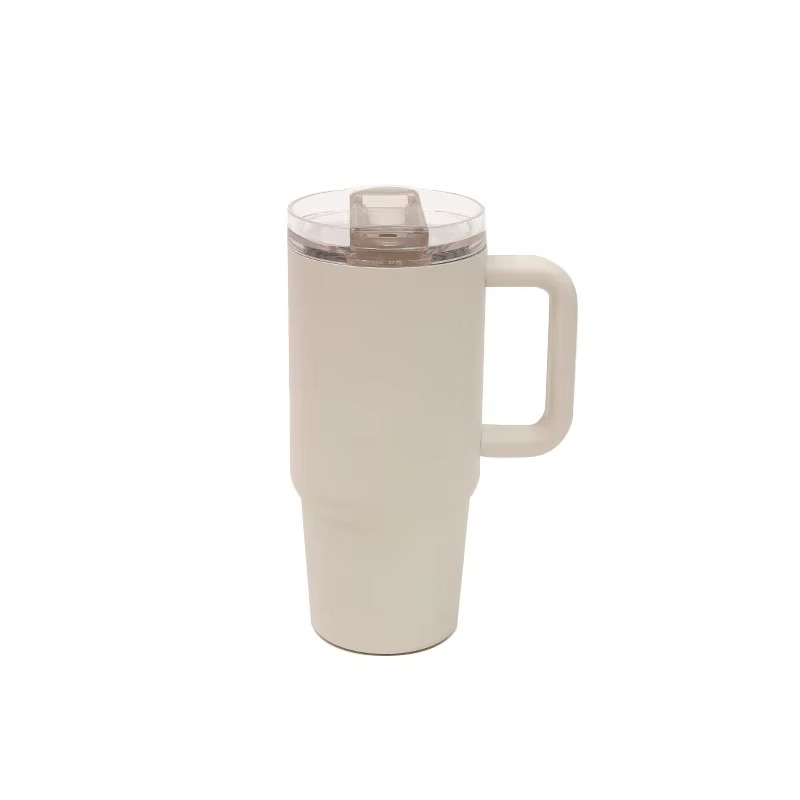
Plastic mug has maintained its place as a ubiquitous material in kitchens, industries and food processing worldwide. This versatile beverage container, made using molding or thermoforming, is durable, affordable, and comfortable to hold its shape compared to other porcelain and glassware.
Outdoor and recreational users see more plastic pollution than consumers who want non-toxic products for camping, gardening, boating and pool use. High-quality plastic mug materials are resistant to abrasions and are especially useful in situations where spills and dry handling are inevitable.
The consumer goods industry is increasingly using plastic waste to promote company initiatives and consumer awareness. As a reminder of the plastic mug product, the original logo can be incorporated into the recreation of the message, which indicates that the product is used for everyday drinking purposes. The popularity of these stores is driving sourcing organizations to find plastic mugs to boost brand awareness.
Shopping mall restrooms and kitchens are stocked with plastic mugs that can withstand the wear and tear of typical shopping containers that usually need to need to be manufactured in large quantities. In this unique environment, plastic mug products will continue to fuel industry demand.
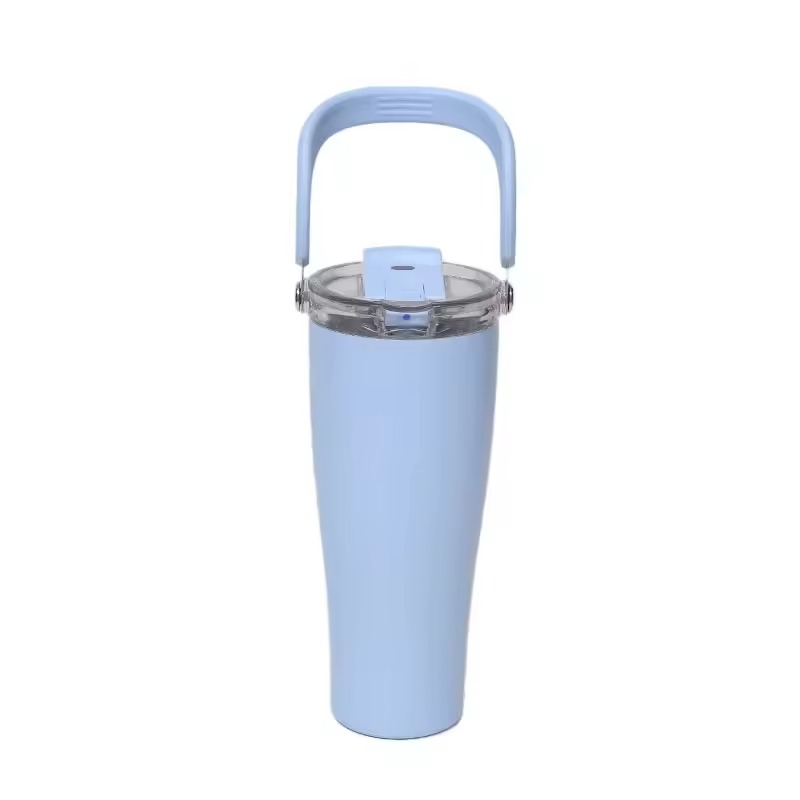
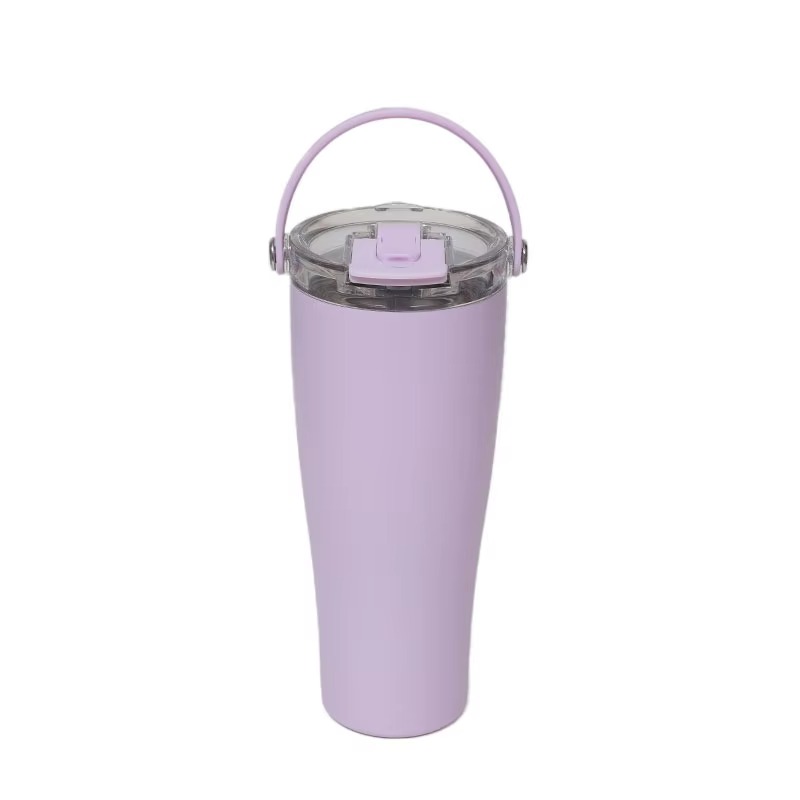
Innovation continues to extend the aesthetics of traditional plastic mugs beyond the cleaning process. Modern plastic mug offerings include unique shapes, sizes and colors that create a sense of modern interior design. The clear plastic mug version offers practical benefits in terms of the look of glass, which compliments the colors but prioritizes practicality.
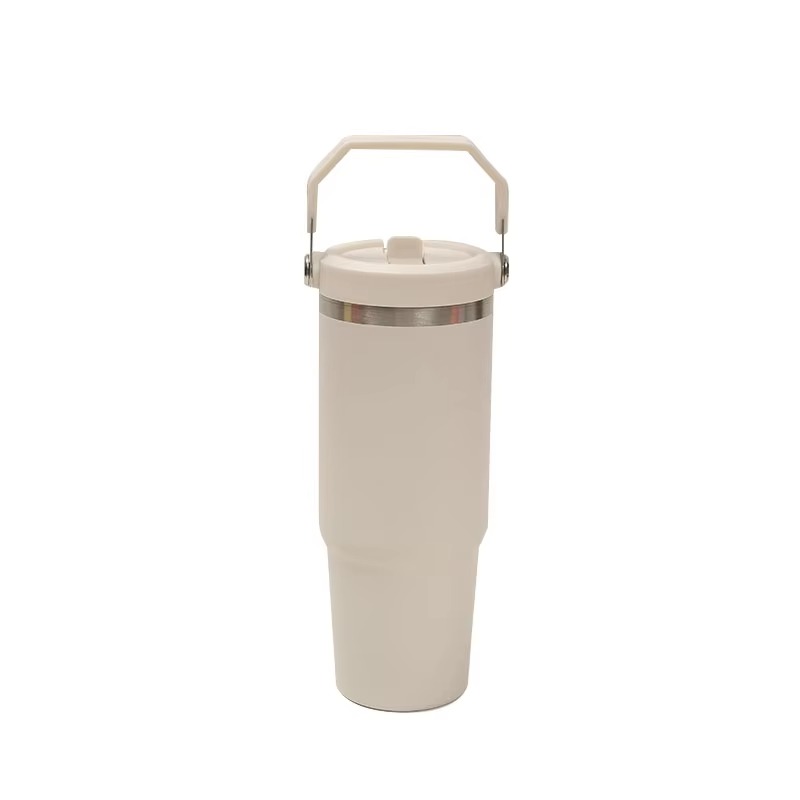
Manufacturers of double-walled plastic mugs have gained significant market share by combining heat storage capabilities with flexible plastics. This plastic mug design creates an air barrier between the inner and outer walls, keeping beverages hot or cold while maintaining the outside temperature for use. The popularity of these products shows the flexibility of plastic mug to meet consumer expectations.
Children’s products represent a rigid plastic mug that combines slip resistance, soft color, and attractive visuals. Sippy cups and nursing mugs for babies use synthetic plastic for protection and durability that lighter alternatives can’t match. The design of the plastic mug proves to be especially suitable for these situations where damage would cause safety.
Environmental considerations greatly influence the purchasing decision of plastic waste in consumers and businesses. Because many consumers are aware of marine litter and waste collection, they want plastic mug products made from recycled materials. Some jurisdictions have placed restrictions on certain single-use plastic mugs and promote composting alternatives and recycling methods.
Requirements for plastic mugs ensure that they meet the safety requirements for food contact products. Big business policies protect themselves from consumers through approvals and testing procedures. Responsible plastic mug manufacturers put in place compliance programs to ensure that their products meet relevant quality standards before they are distributed in the market.
The global plastic mug market covers emerging and developing economies, with expenditures reflecting regional preferences, staging, and economic conditions. Developed markets have switched to renewable alternatives and sustainable products, while emerging markets have seen increased consumption as higher costs allow for more sustainable food sources. This difference makes the plastic mug type relevant in different global contexts.
 Previous