 search
 English
 English
 Español
 русский
Industrial News
The way people pick drink containers has really shifted as daily routines get more flexible. A lot of users now look for products that fit different situations — office desks, commuting, outdoor activities, travel, all of it. Something that's easy to carry, simple to use, and works for different drinks has really become a practical pick for a lot of lifestyles.
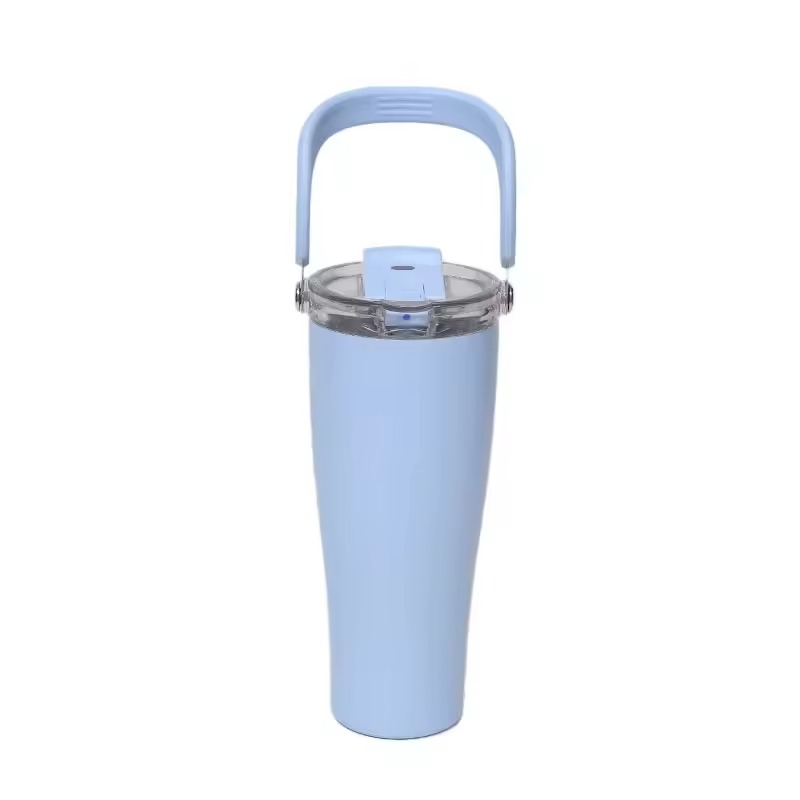
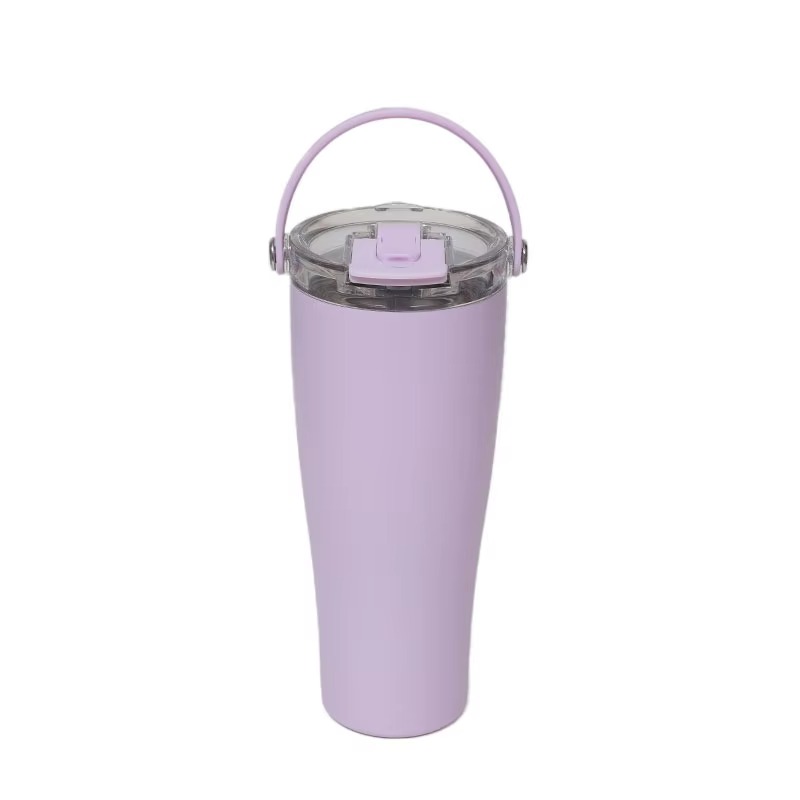
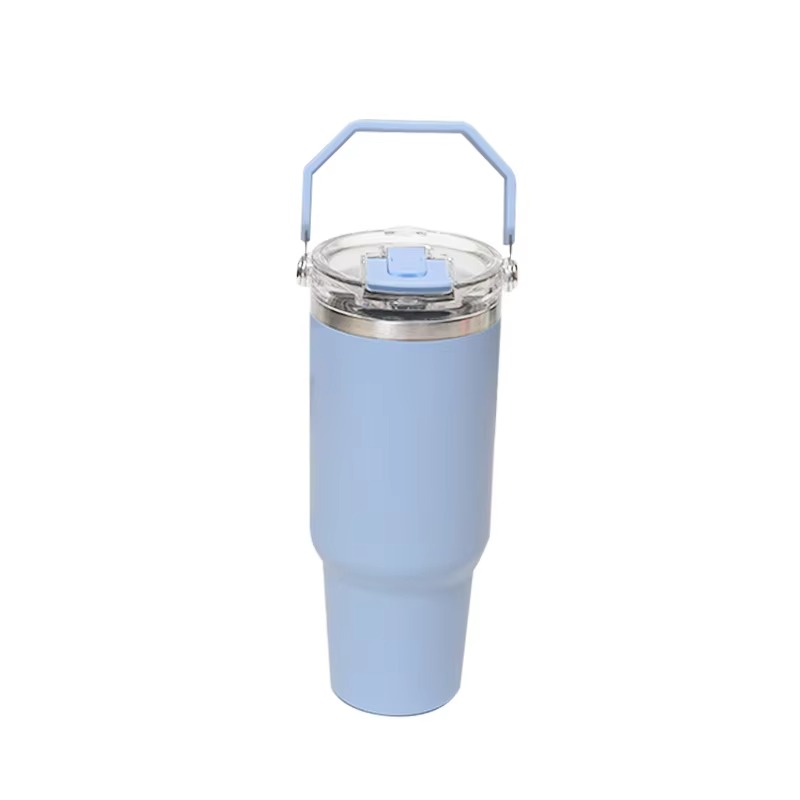
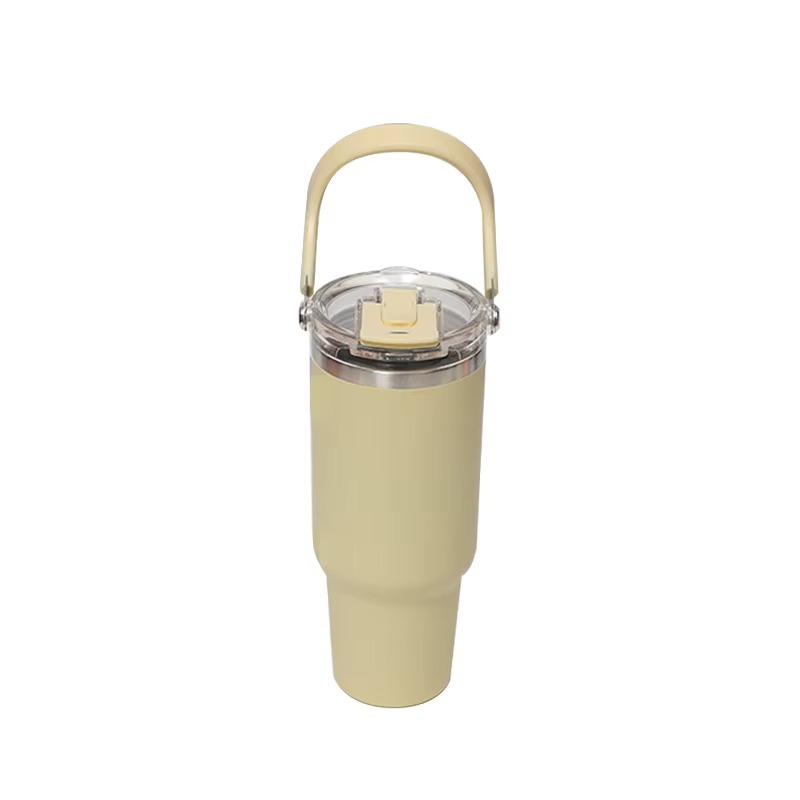
An Insulated Bottle with Handle brings together a portable design with temperature control, which makes it a lot easier for people to carry drinks while moving between different places. Compared with traditional bottles, that added handle really changes how people hold and transport the thing. It offers a more comfortable grip and makes carrying a filled bottle feel a lot more natural.
For manufacturers, the popularity of handle designs really reflects a wider pull toward products that balance appearance, function, and everyday convenience. The bottle's structure, the shape of the handle, material choices, customization options — all of it shapes how people actually experience the product.
What Makes an Insulated Bottle with Handle Different From Traditional Drink Containers
Traditional drink containers usually just focus on holding liquid, while modern users tend to expect more flexibility from their everyday items. A handle really changes the relationship between the user and the bottle by offering another way to carry it around.
The main difference comes down to the carrying experience. A bottle without a handle usually means holding the body directly, which can feel less comfortable once it gets heavier after filling. A handle lets people hold the product from a different angle, which suits situations where movement happens a lot.
Handle design also shapes how people use the bottle across different environments.
Common usage situations include:
- Carrying drinks during commuting
- Taking beverages to outdoor activities
- Keeping water nearby during work
- Bringing drinks during short trips
- Using the bottle during daily exercise routines
The design really isn't just about tacking on an extra part, either. How the handle connects to the bottle body, how balanced the structure feels, the overall shape — all of it shapes the actual user experience.
| Design Element | User Consideration |
|---|---|
| Handle position | Influences how naturally the bottle can be carried |
| Bottle shape | Affects storage and transportation convenience |
| Lid design | Changes drinking and opening habits |
| Surface finish | Influences grip feeling and appearance |
A well-designed Insulated Bottle with Handle really thinks through the connection between human habits and product structure. That's a big part of why handle designs keep pulling attention in the drinkware market.
How Does Handle Design Improve the Usability of an Insulated Bottle with Handle
The handle's really one of the most noticeable parts of this kind of bottle. It might look simple on the surface, but the design behind it involves quite a few factors tied to comfort and daily use.
A suitable handle should match the bottle's size and shape properly. Too small, and it gets hard to hold. Too large, and the whole design becomes less convenient for storage.
Different handle styles create pretty different experiences:
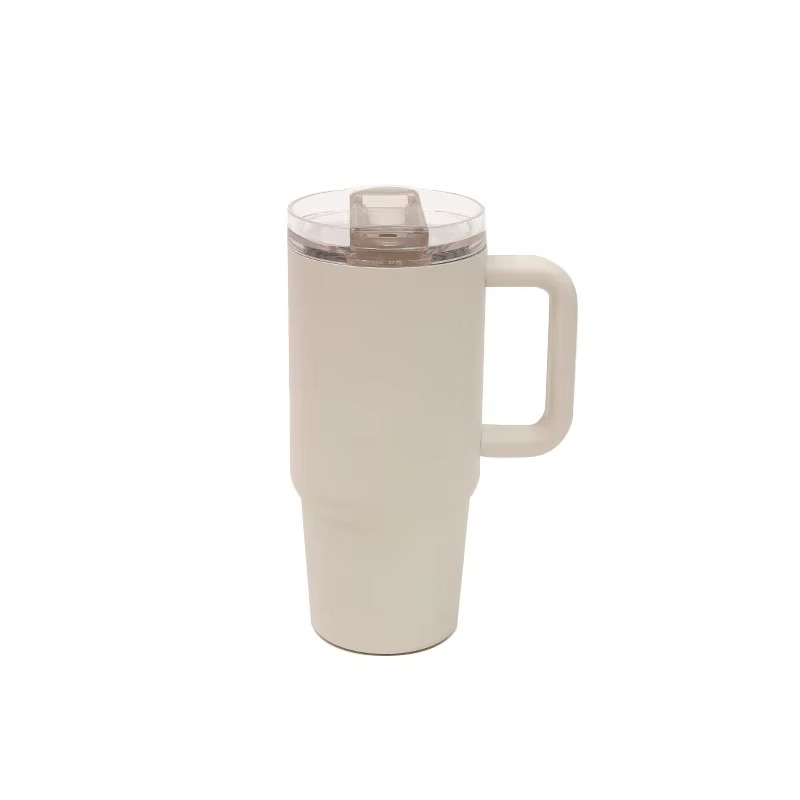
- Fixed handles provide a stable carrying method
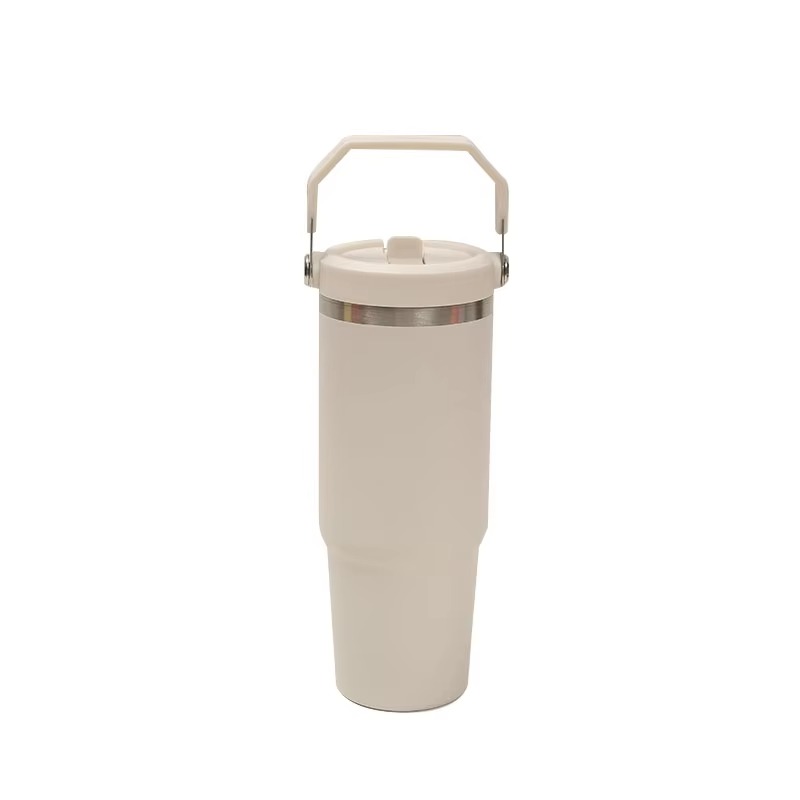
- Foldable handles can help save space when storing the bottle
- Rounded handles may offer a smoother grip
- Wider handles may feel more comfortable during transportation
Manufacturers really need to think through how people actually interact with the product day to day. A bottle might get carried on a short walk, tossed into a bag, or moved between locations throughout the day. All of these moments shape what the handle structure actually needs to deliver.
The connection point between handle and bottle body matters a lot too. A balanced design really helps improve the overall feel when holding the bottle. For brands building out new drinkware lines, handle design is often a genuinely important piece of matching customer expectations.
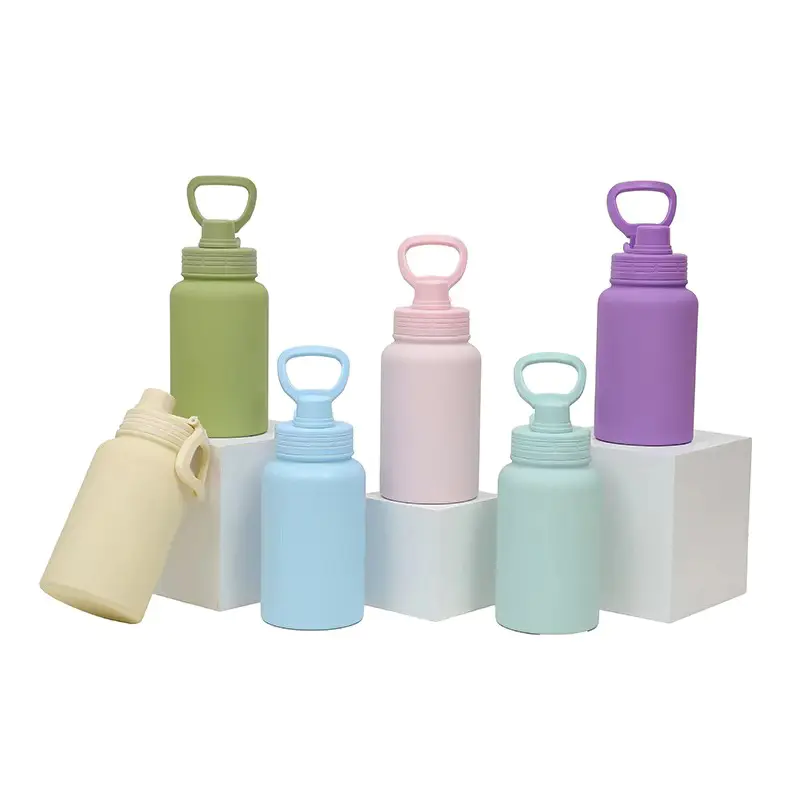
How to Choose an Insulated Bottle with Handle Based on Capacity Design and Usage Needs
Picking a suitable bottle really isn't only about how it looks. People tend to think through where they'll use it, how they'll carry it, and what drinks they usually prepare.
A smaller bottle might suit someone who prefers light daily carrying, while a larger one might work better for people needing more drink on hand during longer stretches. The right pick really comes down to personal habits and usage conditions.
Before choosing, it's worth asking a few things:
- Will the bottle mainly be used at work or outdoors?
- Does the user need a compact design for bags?
- Is easy carrying more important than storage size?
- What type of drinks will usually be placed inside?
The relationship between capacity and design matters here too. A larger bottle really needs careful thought around handle strength, body balance, and overall portability.
| Usage Situation | Design Factors to Consider |
|---|---|
| Office use | Easy grip, suitable size, simple cleaning |
| Outdoor activities | Comfortable handle, durable structure, convenient carrying |
| Travel | Portable shape, secure lid, storage flexibility |
| Daily commuting | Balanced weight, easy access, practical design |
For manufacturers, understanding these differences really helps build products that meet a range of market needs instead of pushing one design onto every user.
How Does an Insulated Bottle with Handle Maintain Drink Temperature Through Its Structure
Temperature control really comes down to how different parts of the bottle work together. Outer appearance is just one piece of the puzzle. Internal structure, sealing performance, material choice — all of it shapes how the bottle actually performs.
A double-layer structure helps cut down heat transfer between the inside and outside environment. That design lets hot drinks and cold drinks hold their condition through the day.
The lid plays a real role here too. A properly designed lid helps reduce unnecessary heat exchange and makes drinking a bit more convenient overall.
A handful of structural details shape performance:
- The connection between bottle layers
- The sealing design around the opening
- The thickness and arrangement of materials
- The matching of lid and bottle body
People often focus on how long a drink stays warm or cold, but the full experience really depends on other things too — how comfortable the bottle feels in hand, how easily it opens.
A balanced Insulated Bottle with Handle design really weighs both temperature control and everyday operation together.
What Materials and Manufacturing Processes Are Used to Produce an Insulated Bottle with Handle
Material choice shapes appearance, strength, and the everyday feel of a bottle. Manufacturers usually weigh durability, cleaning convenience, and how well materials fit different designs.
Stainless steel tends to show up a lot for the main body, while handles, lids, and other parts pull from various materials depending on the design. Every component really needs to work together to create a complete product.
The production process usually runs through several stages:
- Material preparation and forming
- Body structure production
- Handle and lid assembly
- Surface treatment
- Product inspection
Different manufacturing choices shape the final look and user experience quite a bit. The bottle body's shape, for instance, affects how it feels in hand, while surface treatment shapes its visual style.
For suppliers working alongside brands, manufacturing flexibility really matters, since different markets carry different expectations around design, color, and functional details.
Which Features Should Brands Consider When Customizing an Insulated Bottle with Handle
Customization lets brands build products that genuinely match their market positioning and whatever their customers actually want. For businesses, picking the right design elements is often a genuinely important part of product development.
A customized bottle might involve choices like:
- Bottle shape
- Handle style
- Lid type
- Surface appearance
- Packaging design
The customization process really tends to start with understanding the target user first. A product built for office workers might focus on convenience and simple operation, while something outdoor-focused might lean toward carrying comfort and a more practical structure.
Manufacturers can work alongside brands to adjust different parts of the product around market requirements. Good communication during development really helps avoid design mismatches and keeps production moving efficiently.
Customization really isn't only about slapping on a logo or swapping colors, either. It also means picking structures and features that genuinely fit the intended usage environment.
How to Maintain an Insulated Bottle with Handle for Long Term Daily Use
Proper maintenance really helps keep a bottle clean and comfortable through regular use. Insulated bottles are built for repeated use, sure, but daily care still shapes how they hold up over time.
Worth paying attention to are the areas that get touched often — the lid, the handle connection points, the inner wall.
Simple maintenance habits include:
- Cleaning the bottle after use
- Drying internal parts before storage
- Checking the lid and handle areas regularly
- Avoiding unsuitable cleaning methods
The handle area can collect moisture or residue since it gets touched so often. Regular cleaning really helps keep the whole usage experience pleasant.
Different drinks can leave different traces inside the bottle too. That's really why cleaning habits should match how the bottle actually gets used day to day.
A clean Insulated Bottle with Handle really doesn't just feel better during daily use — it also helps hold onto its original design condition over time.
What Should Buyers Know Before Working With an Insulated Bottle with Handle Manufacturer
For businesses looking to develop drinkware products, picking a suitable manufacturing partner really takes attention across several fronts. Product quality really doesn't depend on materials alone — communication, production capability, and understanding customer needs all factor in.
Before starting cooperation, it's worth considering:
- Whether the manufacturer can support customized designs
- Whether production processes match the required product style
- Whether communication about samples and adjustments is smooth
- Whether the supplier understands market usage needs
A dependable cooperation process usually starts with clear product information upfront. Details like bottle structure, handle design, materials, and packaging requirements should really get discussed carefully from the start.
Manufacturers play a genuinely important role in turning product ideas into finished items people can actually hold. By pairing design knowledge with production experience, suppliers can help brands build drinkware that genuinely fits their customers' daily habits.
 Previous