 search
 English
 English
 Español
 русский
Industrial News
Home / News / Industrial News / Why Is the Car Mug Turning Into a Practical Choice for Busy Drinkers
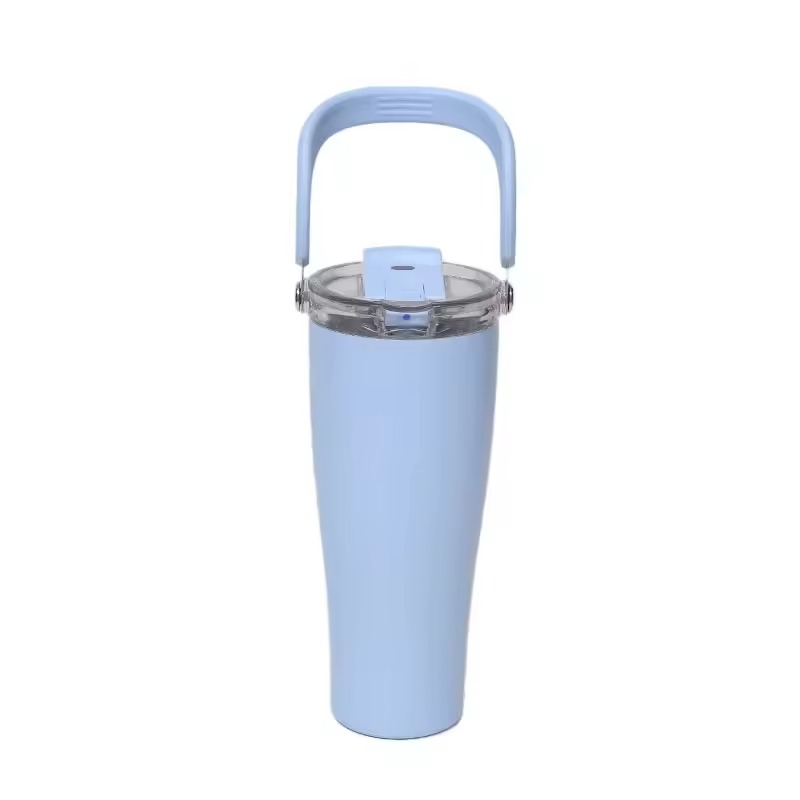
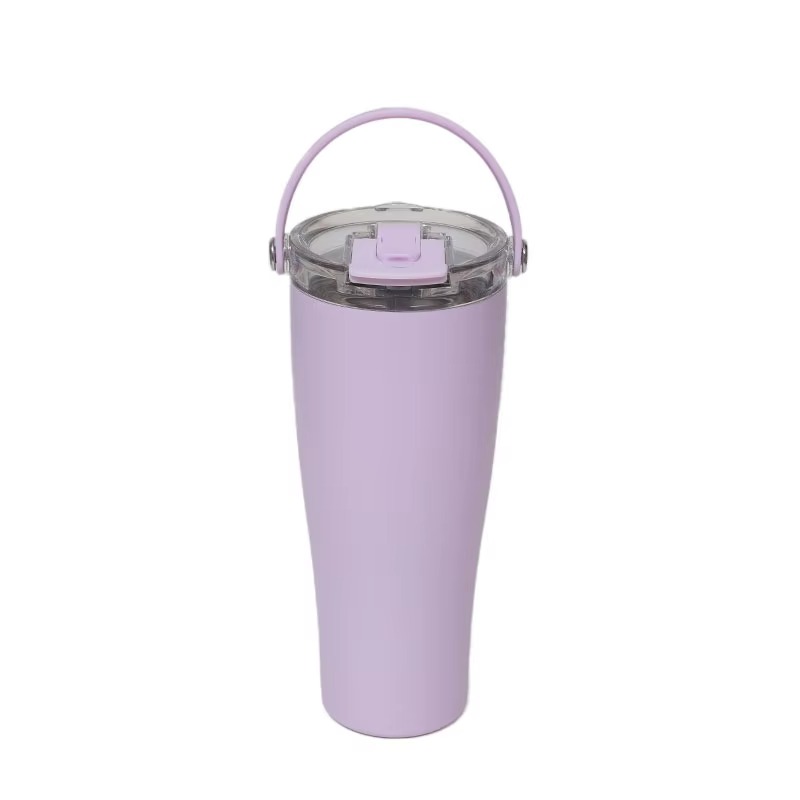
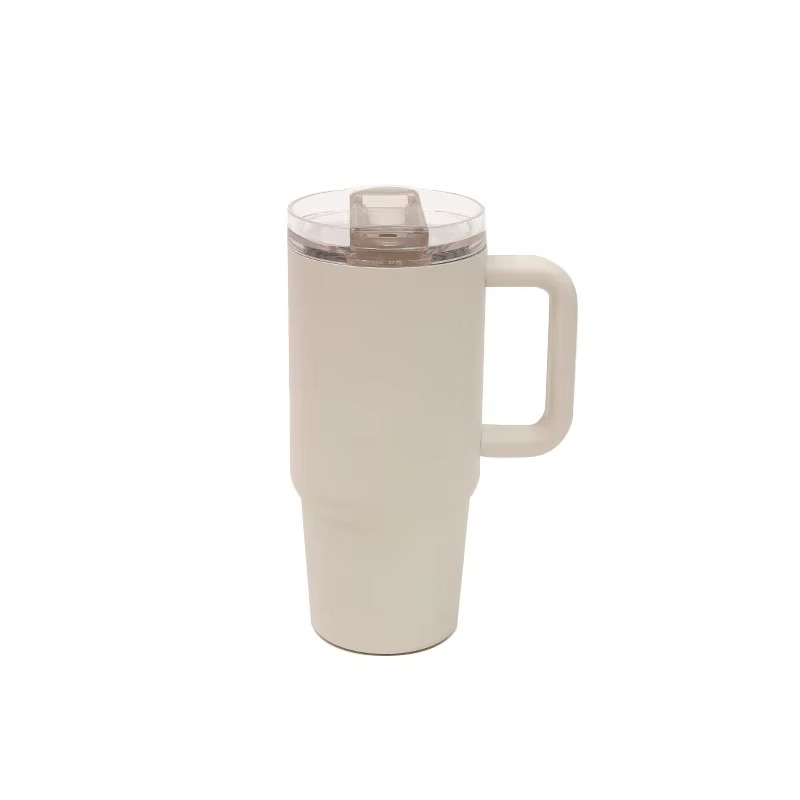
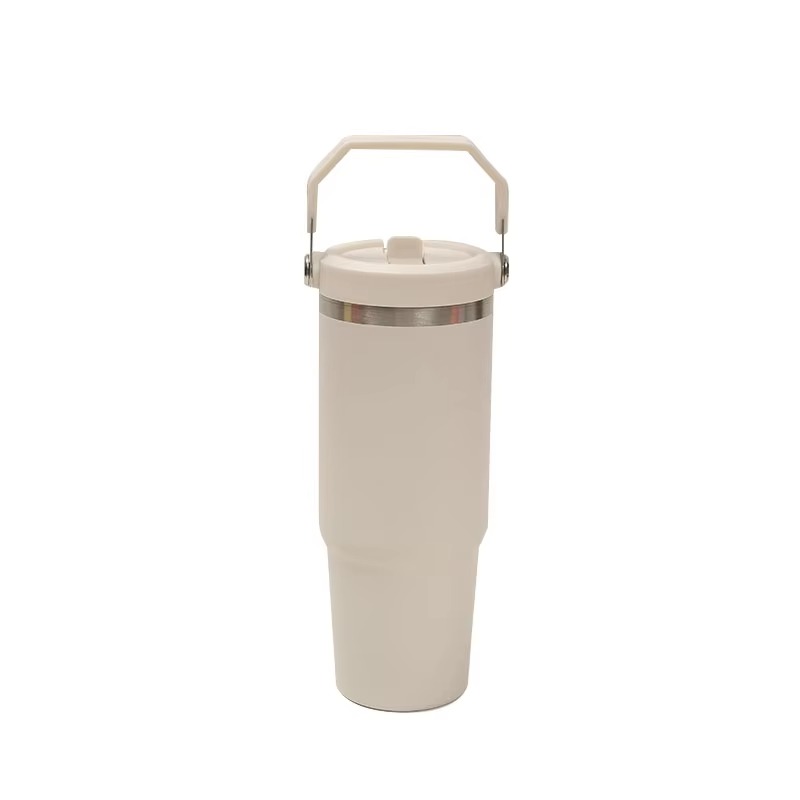
The way people prepare and enjoy hot drinks has changed steadily over the past few years, and a growing number of everyday users are paying attention to drinkware that can do more than simply hold a beverage. Among these newer household items, the Car Mug has gained attention because it combines portability, mixing support, and a cleaner routine in one familiar form. For commuters, office workers, students, and people who move between locations during the day, the appeal is easy to understand: a cup that helps with stirring removes one small task from an already full schedule.
This shift reflects a broader pattern in daily. People are increasingly drawn to items that reduce manual effort without adding complexity. In kitchens, on desks, and even in travel bags, products with simple automation are becoming more common. Drinkware is part of that movement. A self-stirring mug answers a practical need, especially for beverages that require sugar, powder, milk, seasoning, or other ingredients to be mixed evenly before drinking.
At first glance, the idea may seem simple. A mug that stirs itself does not try to replace a full kitchen device, and it does not aim to change the basic act of drinking coffee, tea, soup, or similar liquids. Instead, it focuses on one narrow problem: the need to mix contents without a spoon or extra utensil. That narrow focus is part of why the product continues to attract attention. It solves a common annoyance with very little learning curve.
For many users, the value begins with routine. Mornings can feel rushed, lunch breaks can be short, and travel often leaves little room for extra cleanup. A mug that mixes ingredients automatically can help create a smoother drink with less interruption. It also reduces the chance of uneven blending, which often happens when people stir quickly or only for a short time.
The Car Mug concept fits particularly well into this kind of routine because it connects portability with convenience. Rather than requiring a separate spoon, the mug itself becomes the tool that supports preparation and use. That makes it relevant not only in cars or on the move, but also at home, in shared kitchens, and in office spaces where people want a cleaner, simpler habit.
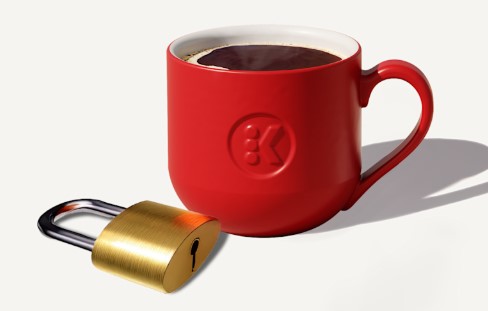
Interest in self-stirring drinkware is not only about novelty. It comes from a set of practical reasons that match how people use daily items today. Several common motivations keep appearing in consumer conversations around this type of product.
Convenience during busy moments
A self-stirring mug reduces the number of steps needed to prepare a drink. Instead of looking for a spoon, stirring by hand, and cleaning another utensil afterward, the user can rely on the mug itself.
A cleaner routine
Because fewer utensils are involved, there is less clutter on the table, counter, or desk. That can be useful in shared workspaces and in small kitchens where every extra item adds to the mess.
More even mixing
Powdered drinks, sweeteners, and blended beverages often need more than a quick swirl. Automatic stirring can help ingredients distribute more evenly through the liquid.
Easy everyday use
The idea is simple enough for many people to understand immediately. There is no complicated setup, and the cup can fit into ordinary routines with little adjustment.
Useful across settings
The product is not limited to one location. It can fit home use, office use, travel, and short breaks, which broadens its appeal.
These practical points help explain why people keep noticing self-stirring mugs in online searches, product discussions, and casual recommendations. In a crowded consumer market, items that save small amounts of time often gain attention because those small savings add up over a day.
The real value of automatic mixing often becomes clear after repeated use. A person may first notice the novelty, but later appreciate the way the mug fits into a routine. For example, someone preparing a morning drink before leaving the house may prefer to keep one hand free for a phone, a bag, or breakfast. In an office, a worker may want to avoid extra utensils at a shared sink. During travel, people may simply want a more self-contained option.
A self-stirring mug also supports consistency. If someone adds ingredients that need to dissolve well, the drink can taste more balanced when mixing happens thoroughly. This matters for coffee, chocolate drinks, meal replacements, and even some savory liquids. The result is a more uniform drink from beginning to end.
At the same time, the product appeals to people who like simple technology. It does not require a large learning curve or a major change in behavior. Users still pour, drink, and carry the cup in familiar ways. The difference is that stirring is handled with less effort.
The rise of automatic drinkware reflects a wider consumer interest in products that remove repetitive tasks. People are not only shopping for function; they are also looking for comfort and ease. A mug that can stir itself stands out because it sits at the intersection of convenience and daily habit.
The growing attention around this item also shows how product design has changed. Consumers often expect household items to do more than one job. A cup is no longer only a vessel. It can support temperature retention, portability, and mixing behavior, all while keeping the user experience simple.
Common reasons people choose automatic mixing mugs
These are modest benefits, but they are exactly the kind of benefits that matter in everyday life. People do not always want a large or complicated device. Sometimes they just want a product that makes a normal task feel easier.
| Daily Need | Traditional Mug Experience | Automatic Mixing Mug Experience | Practical Result |
|---|---|---|---|
| Mixing powdered drinks | Stir by hand with a spoon | Stir within the mug itself | Less effort and fewer tools |
| Working at a desk | Need extra utensil and cleanup | One item handles the task | Cleaner workspace |
| Travel or commuting | Extra items to pack and manage | More self-contained use | Simpler carrying routine |
| Even blending | Mixing can be uneven | Stirring supports better consistency | More balanced drink texture |
| Fast morning routine | A few extra steps | Fewer actions needed | Saves time in small moments |
The appeal of this kind of mug goes beyond one drink category. It fits a modern lifestyle where people move between tasks quickly and often want tools that adapt. In homes, it may help simplify breakfast routines. In offices, it can reduce friction during breaks. In shared living spaces, it can limit clutter and the need for extra dishwashing. On the road, it can support a more self-sufficient drinking routine.
This is also why the product has relevance in broader conversations about automation. Automation is no longer limited to large machines or industrial systems. It has moved into small, daily objects as well. The mug is a good example because it shows how a minor task can be improved through simple design rather than complex technology.
As consumer preferences continue to favor convenience, compact functionality, and ease of use, products like self-stirring mugs are likely to remain part of the conversation. The item may look ordinary, but its use case connects to a larger trend: people want everyday tools that reduce effort while staying intuitive.
When people look at this kind of drinkware, they often think about practical questions rather than technical ones. They may ask whether it is comfortable to hold, whether it fits into their routine, and whether it helps with the kinds of drinks they use often. Some users care about portability, while others care more about how simple it is to clean and store.
Typical decision points
These questions show that the product is often judged by usefulness rather than by appearance alone. That is one reason it remains relevant in a market full of lifestyle items that promise convenience. Consumers tend to return to products that save time and fit naturally into their habits.
The self-stirring mug may not transform a kitchen, but it does illustrate how small-scale automation can improve routine tasks. It takes a repetitive action and turns it into a more effortless experience. For people who value convenience, consistency, and a simpler cleanup process, that can be enough to make the product worthwhile.
In that sense, the Car Mug stands as a practical example of how modern drinkware can serve more than one purpose without becoming complicated. It supports movement, reduces small frustrations, and aligns with the way many people now approach daily essentials: with an eye toward ease, efficiency, and smart design.For readers exploring similar everyday-use ideas, automugfactory offers a natural starting point.

Yongkang Xiaoyu Industry & Trade Co., Ltd. is a professional manufacturer of travel mugs, plastic cups and insulated cups. It is mainly engaged in the design, manufacture and sales of plastic cups and thermos cups.
 Previous