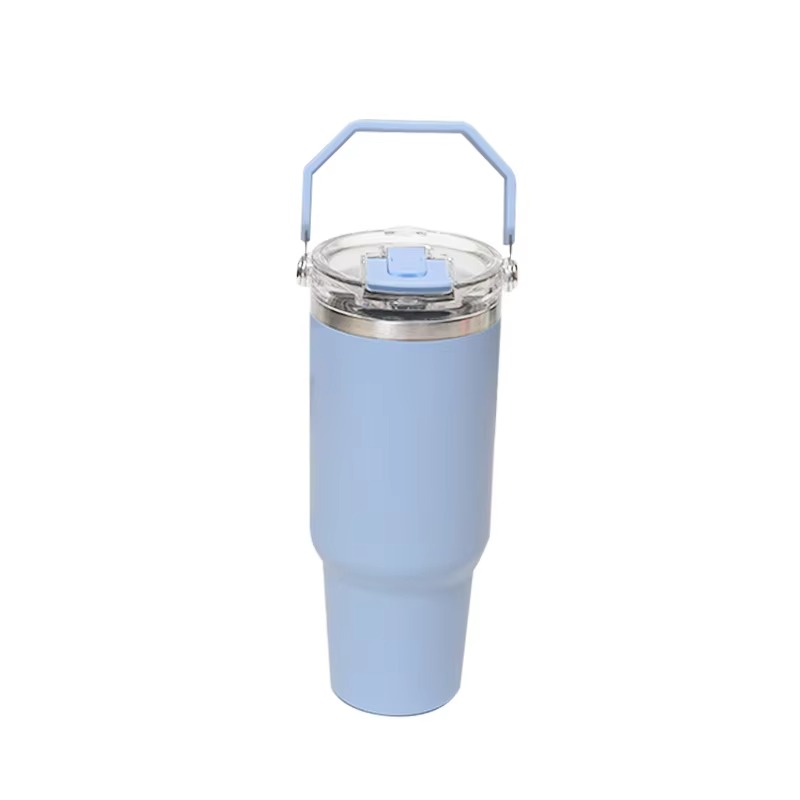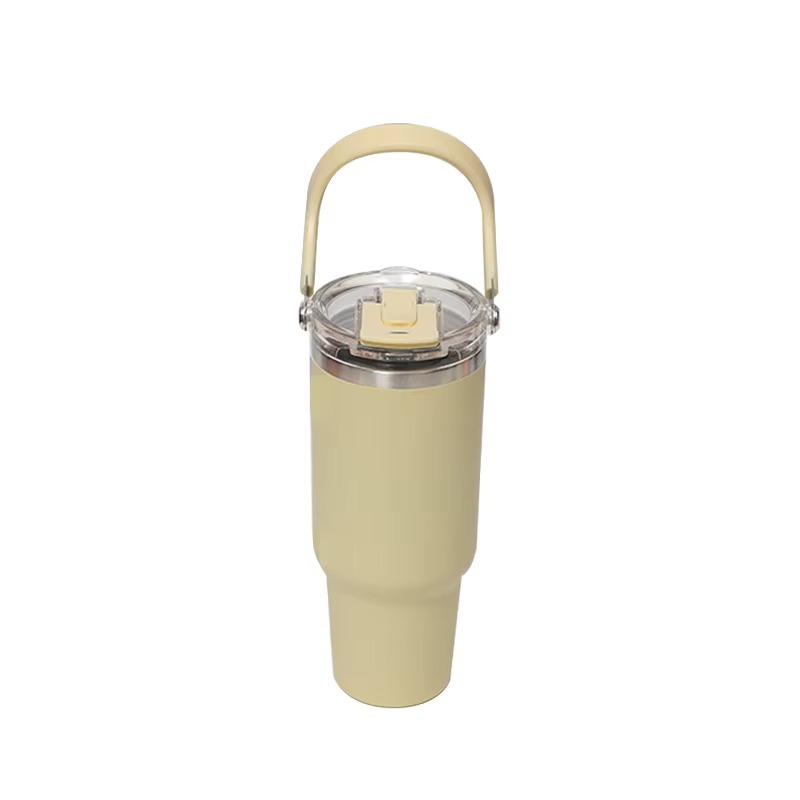
 search
 English
 English
 Español
 русский
Traveling and outdoor activities often bring unique challenges, and one of the simplest yet most critical aspects of preparation is hydration. Carrying enough water during a hike, camping trip, or long journey ensures that the body maintains optimal function and prevents fatigue, dehydration, and other related issues. For this reason, selecting the right water bottle becomes a practical consideration rather than just a personal preference. Among the options available, a 40oz water bottle offers a balance between capacity and portability, making it suitable for a variety of scenarios.
Choosing a bottle that suits your travel style, environmental conditions, and personal needs requires attention to several factors, from material and design to durability and ease of maintenance. This article explores these aspects in detail, providing guidance for travelers seeking a reliable companion for long trips while maintaining focus on realistic usage and practical considerations.
Before selecting a water bottle, it is essential to understand the type of travel you are undertaking. For long hikes, a lightweight yet durable bottle is crucial, as carrying extra weight can strain the shoulders and back. For camping or car trips, capacity might be prioritized over portability, allowing you to carry enough water for multiple activities without frequent refills. City trips and shorter excursions may require bottles that fit easily in backpacks or travel bags while still providing adequate hydration.
In all cases, the goal is to match the water bottle’s capacity and features with your personal drinking habits and the travel conditions. A 40oz bottle provides a substantial volume that reduces the need for frequent refills while remaining manageable for most backpacks and carrying systems.
Material Matters
The material of a water bottle significantly affects its performance, weight, durability, and cleaning requirements.
Stainless Steel: Often chosen for its durability and insulation properties, stainless steel bottles can keep beverages hot or cold for several hours. They are resistant to dents, corrosion, and staining, making them ideal for rugged outdoor use.
Plastic (BPA-Free): Plastic bottles are lighter and easier to carry, which can be a benefit for long treks where every ounce matters. Modern BPA-free plastics reduce chemical risks while remaining flexible and impact-resistant.
Aluminum: Aluminum bottles offer a middle ground between stainless steel and plastic. They are lightweight, moderately durable, and often coated to prevent taste transfer from the metal.
Choosing the right material depends on the travel context, personal preference, and how the bottle will be used over time. For instance, a hiker may prefer stainless steel for its resilience, while a cyclist might prioritize the lighter weight of a BPA-free plastic bottle.
Design Features to Consider
A water bottle is more than just a container for liquids. Design features play a crucial role in ensuring convenience, comfort, and practicality during long trips.
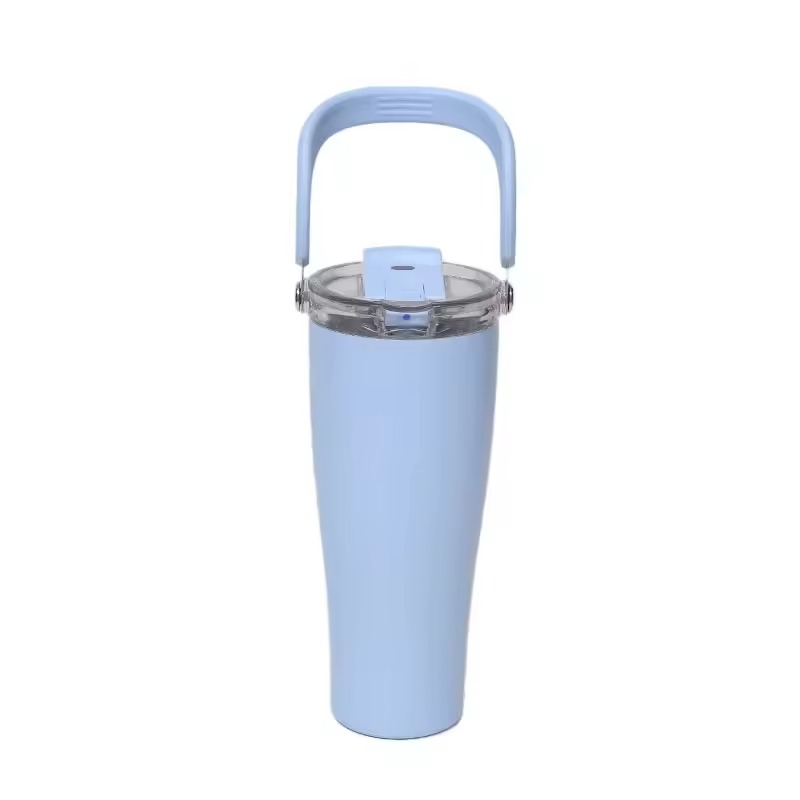
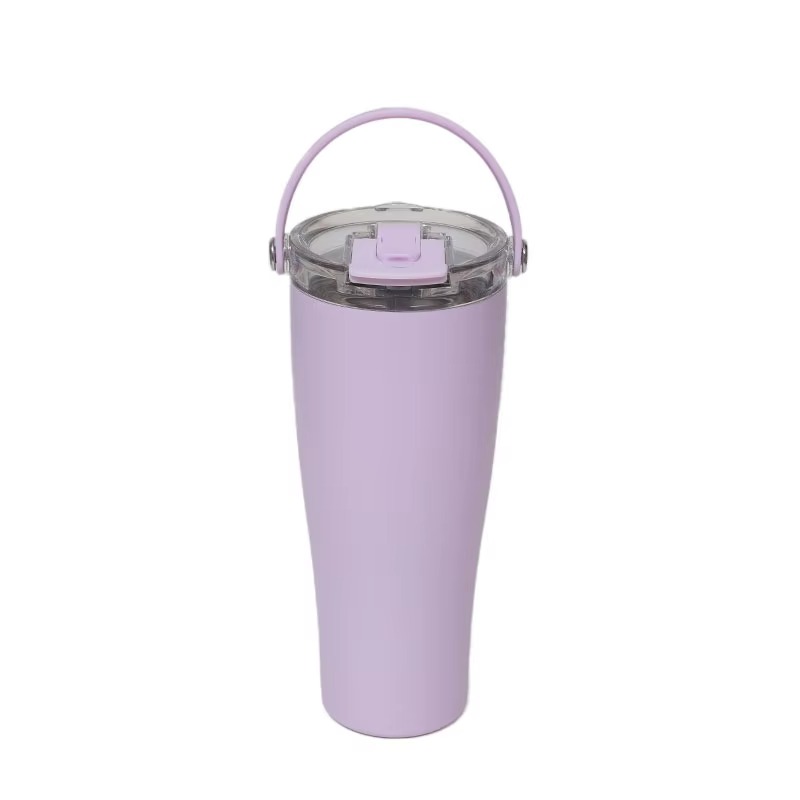
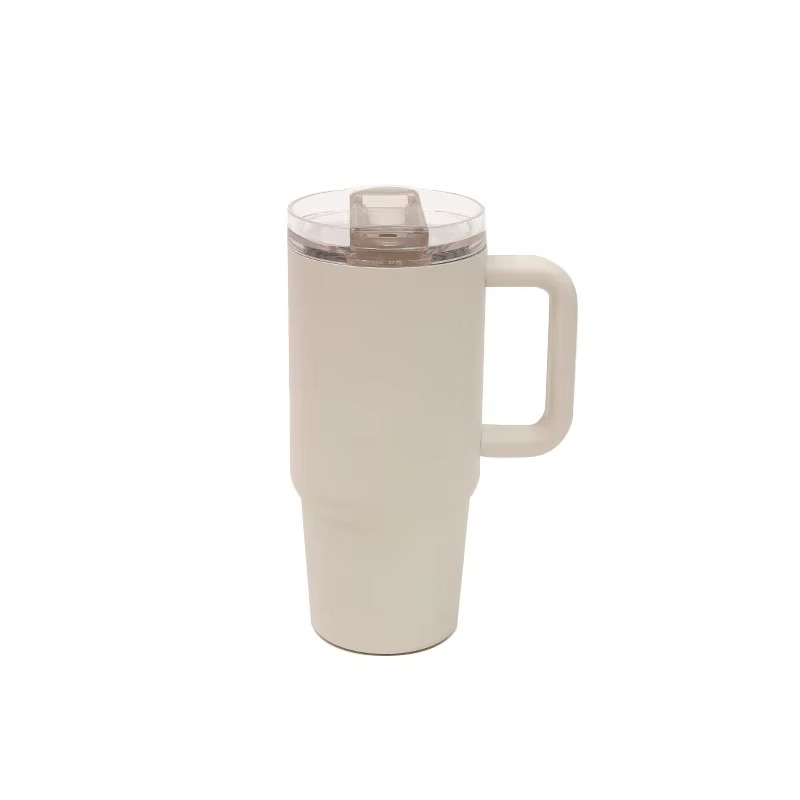
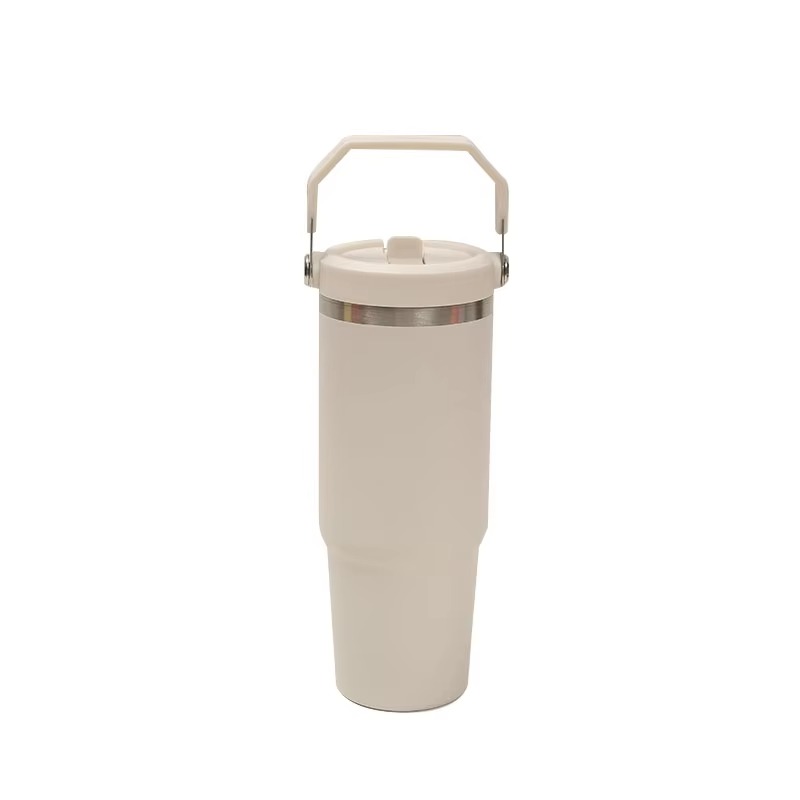
Portability: Consider hand grips, carry loops, or attachment options for backpacks. A bottle that is difficult to carry can quickly become inconvenient.
Insulation: For extended outdoor activities, maintaining the temperature of beverages can enhance comfort and usability. Double-walled vacuum-insulated bottles are particularly effective.
Leak-Proof Design: A secure cap prevents spills in backpacks and ensures hygiene. Options range from screw caps to flip lids or straw tops, each with specific use cases.
Ease of Cleaning: Wide-mouth bottles or those with removable components simplify cleaning, preventing residue buildup and odors. Long-term usability often depends on how easily the bottle can be maintained between trips.
Selecting features that align with your daily habits and trip duration ensures that the bottle remains both functional and user-friendly.
Weight and Portability
While a 40oz bottle provides substantial water storage, weight considerations are crucial for travelers. Full bottles can add over a pound to your load, affecting comfort during long hikes or bike rides.
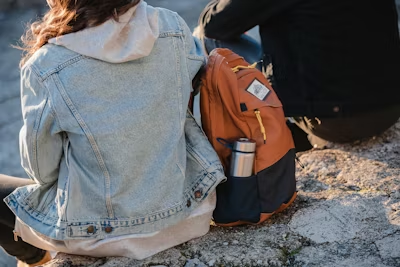
When assessing portability, consider how the bottle integrates with other travel gear. Backpack side pockets, hydration sleeves, or car cup holders may limit bottle dimensions. Choosing a bottle that balances capacity with manageable weight allows for extended trips without causing fatigue.
Durability and Longevity
Travel conditions can vary significantly, and a water bottle must withstand environmental stresses. Stainless steel bottles can resist impacts and temperature fluctuations, while high-quality BPA-free plastics handle minor drops without cracking.
Long-term durability is also influenced by design simplicity. Fewer removable components reduce the risk of parts breaking or getting lost. A bottle that maintains its structural integrity and appearance over multiple trips is preferable for frequent travelers.
Hydration Efficiency and Usage Tips
Maintaining proper hydration is a central purpose of carrying a water bottle. A 40oz bottle provides enough capacity for moderate activity without frequent refills, supporting consistent hydration habits.
Practical tips include:
- Pre-filling the bottle with the appropriate temperature liquid for the activity
- Using the bottle strategically, alternating between sips and larger drinks during strenuous periods
- Cleaning after each trip to prevent odors and residue
Using the bottle efficiently not only ensures hydration but also prolongs the functional life of the bottle.
Compatibility with Travel Gear
Travel efficiency improves when a water bottle fits seamlessly with other gear. Backpacks with hydration sleeves, car cup holders, or bike cages benefit from bottles designed with standard dimensions and easy attachment options.
Some bottles include modular features, such as detachable handles or strap loops, enabling flexible placement in backpacks or luggage. Ensuring compatibility with your travel equipment avoids unnecessary inconvenience during trips.
Environmental Considerations
Using a reusable water bottle reduces reliance on single-use plastic bottles, contributing to environmental sustainability. A durable 40oz bottle can replace hundreds of disposable bottles over its lifespan, reducing waste and resource consumption. Travelers should also consider bottles that are easy to recycle or repair, further extending their utility.
Common Mistakes to Avoid
When selecting a bottle for long trips, travelers often make avoidable errors:
- Choosing a bottle that is too small, requiring frequent refills
- Prioritizing aesthetics over functionality, resulting in inconvenient usage
- Ignoring cleaning requirements, leading to unpleasant odors or bacterial growth
- Selecting materials prone to denting, cracking, or chemical leaching
Avoiding these mistakes ensures a reliable and practical water bottle choice.
Real-World Travel Scenarios
- Hiking and Trekking: Lightweight, durable, leak-proof bottles with easy carry options
- Camping and Car Trips: Larger, insulated bottles capable of holding water for multiple activities
- Urban Travel: Bottles that fit easily in backpacks or luggage and are easy to refill and clean
Tailoring your bottle selection to the specific travel scenario maximizes its utility and ensures a consistent hydration experience.
Selecting a reliable water bottle for long trips involves understanding your travel needs, evaluating materials and design, and considering portability and durability. A well-chosen 40oz water bottle can significantly enhance convenience, hydration, and overall travel experience.
For those seeking reliable and practical solutions, companies specializing in water bottle production, such as Yongkang Xiaoyu Industry & Trade Co., Ltd, have extensive experience in designing and manufacturing durable, user-friendly products. By focusing on real-world needs, they provide options suitable for everyday use, outdoor adventures, and long-distance travel, ensuring that travelers can stay hydrated without compromise.