 search
 English
 English
 Español
 русский
As everyday mobility patterns evolve, an increasing number of people spend substantial periods of time in vehicles—whether for commuting, transporting family members, or completing work-related tasks. This shift has influenced not only how individuals structure their travel routines but also how they manage beverage consumption during transit. Coffee, tea, water, and other drinks have become integral to many daily activities, supporting alertness, hydration, and overall comfort during travel. As a result, the car mug has developed into an important accessory that bridges personal habits and transportation behavior.
The integration of beverage containers into vehicle interiors, however, has not followed a unified design philosophy. Cup holder configurations differ widely between automobile brands, production years, and vehicle categories. These variations influence how effectively a mug can be secured during acceleration, braking, or turning. Users must therefore consider whether a mug’s diameter, height, weight distribution, and lid design align with the spatial and operational characteristics of their specific vehicle. Stability is especially important when navigating uneven surfaces or dense traffic, where sudden movements could cause a poorly fitted mug to shift or spill.
By examining vehicle designs, material properties, and practical usage patterns, structural relationships and functional criteria are highlighted, helping users identify car mug features that suit diverse driving conditions and personal routines.

Understanding Vehicle Differences and Their Impact on Mug Selection
Cup holders do not follow standardized dimensions across the automotive industry. Manufacturers often design these components according to interior layout philosophy, available cabin space, and intended driver experience. As a result, users may encounter cup holders that are deep and cylindrical, shallow and wide, adjustable with movable brackets, or integrated into foldable panels. Each configuration influences how a mug behaves under motion.
A deeper holder can enhance vertical stability but may not accommodate mugs with handles. A shallow holder might fit wider mugs but offers less protection against tipping. Adjustable holders offer versatility but may loosen over time depending on usage frequency and material wear. These structural variations underline the importance of assessing both the cup holder and the mug before making a selection.
Vehicle Type Considerations
Vehicle categories introduce further distinctions:
- Sedans often prioritize compact console layouts, resulting in narrower holders placed close to the transmission tunnel. Users typically benefit from slim, tall mugs that avoid obstructing dashboard controls.
- SUVs and crossovers generally feature wider interiors and deeper cup holders capable of supporting larger mugs. Many include additional rear-seat holders, useful for families or multiple passengers.
- Compact cars emphasize space efficiency, which limits holder depth and width. Mugs for these vehicles need lightweight and compact designs that do not hinder access to controls or passenger space.
- Pickup trucks frequently operate on uneven or unpaved surfaces. Mugs used in these contexts should maintain lid integrity and structural resilience to vibration.
- Commercial vehicles and vans often support prolonged driving hours and routine beverage consumption. The ease of cleaning and resistance to wear become particularly relevant.
Environmental and Climatic Factors
Climate conditions influence how mug features perform.
- In cold regions, users typically require insulation that slows heat loss and lids that maintain sealing performance in low temperatures.
- In hot regions, condensation control becomes essential to prevent moisture from settling on vehicle surfaces, and insulation that maintains cold temperatures is beneficial.
- Mixed climates require balanced insulation capable of supporting different seasonal beverage needs.
Driving Patterns and Road Conditions
Driving contexts further affect mug suitability:
- Highway drivers often rely on stable, insulated designs that maintain temperature during extended trips.
- City drivers may prioritize quick-access lids for short intervals of consumption between stops.
- Rural or off-road drivers benefit from sturdy construction capable of minimizing liquid agitation.
By analyzing these factors, users can align mug characteristics with the mechanical and environmental conditions of their vehicle and driving patterns.
Matching Mug Materials and Features to Different Lifestyles
Material choice plays a central role in determining a mug’s performance. Each common material type offers distinct properties rooted in well-established material science principles.

Material Characteristics
- Stainless steel is widely used because it resists impact, maintains structural integrity under temperature fluctuations, and provides reliable insulation when used in double-wall or vacuum-sealed configurations. It also tends to retain fewer odors over time compared to porous materials.
- Plastic offers lightweight construction and versatility in form. Different plastic compositions vary in thickness, heat tolerance, and durability, influencing how well they perform when exposed to repeated temperature cycling.
- Glass provides flavor neutrality and transparency. When used for car cups, it is commonly paired with silicone or polymer sleeves to reduce surface fragility and improve grip. Although heavier, glass appeals to users prioritizing taste consistency.
- Composite or hybrid materials combine structural layers—such as stainless steel interiors with polymer exteriors—to balance insulation, impact resistance, and weight.
Temperature Management Considerations
Temperature retention is not solely dependent on material but also on structural design.
- Hot beverage users benefit from vacuum-sealed walls that slow heat transfer.
- Cold beverage users often require condensation-resistant exteriors and wide mouths that accommodate ice.
- Mixed-use drinkers may prefer moderate insulation paired with adaptable lids.
Lid Mechanisms and Functional Behavior
Lid design influences liquid flow, safety, and user convenience:
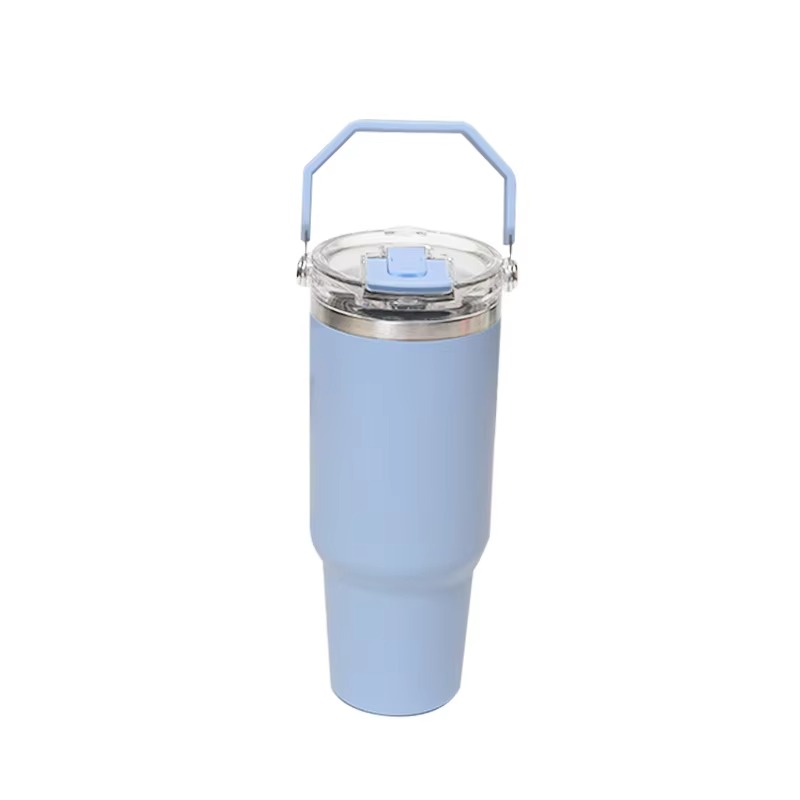
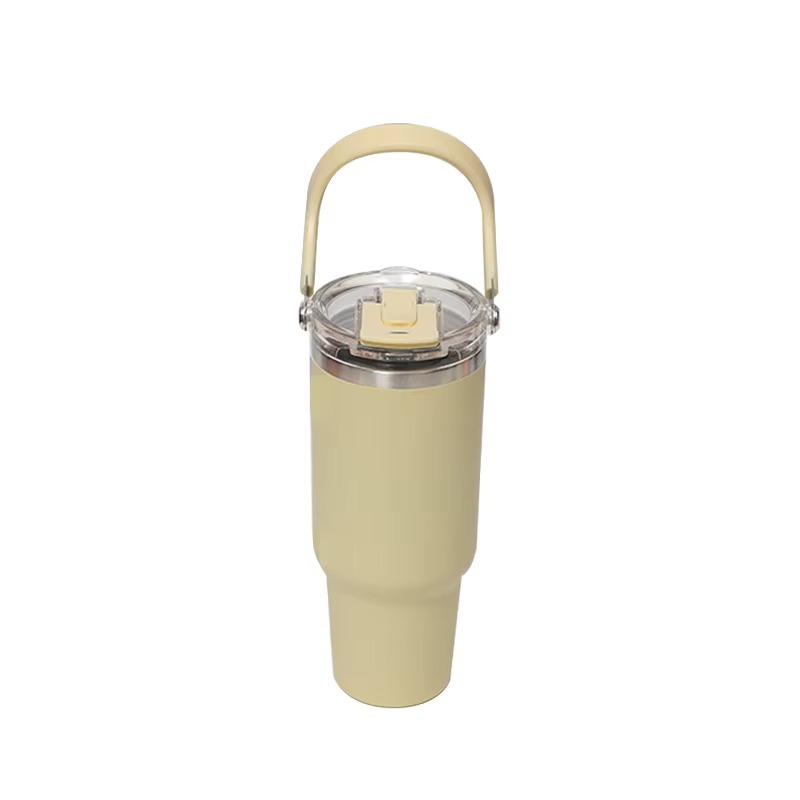
- Flip-top lids allow quick access with minimal hand movement.
- Sliding lids offer controlled openings and can minimize accidental spills when partially closed.
- Screw lids provide reliable sealing and are compatible with rough driving conditions.
- Straw lids support cold beverages and can assist users who prefer limited lid lifting.
Maintenance and Cleaning
Proper maintenance contributes to consistent functionality.
- Mugs with wide-mouth openings allow thorough access during cleaning.
- Designs with simple gasket structures reduce areas where residue may accumulate.
- Dishwasher compatibility varies by material; heat-sensitive plastics or painted exteriors may require hand washing.
Additional Functional Elements
Other design attributes influence vehicle compatibility:
- Non-slip bases help stabilize mugs in textured or shallow holders.
- Handle-free designs improve fit in compact vehicle interiors.
- Adjustable bases attempt to offer multi-vehicle compatibility, though effectiveness depends on holder design.
Together, these characteristics illustrate how material science and design engineering shape the practical performance of car mugs.
Selecting the Right Car Mug for Specific Use Scenarios
Long-Distance Commuters
Individuals who commute for extended periods often require mugs that retain temperature reliably, minimize spill risk, and integrate smoothly with in-vehicle tasks such as adjusting navigation or operating controls. Ergonomic grips assist with secure handling, while balanced proportions reduce the risk of obstructing console components.
Urban, Short-Distance Drivers
Drivers making frequent stops and short trips emphasize accessibility and compactness. A mug that opens quickly, fits easily into smaller holders, and requires minimal adjustment becomes advantageous. Lightweight construction helps avoid unnecessary clutter in limited cabin spaces.
Outdoor Travelers and Road-Trip Users
Those traveling across mixed environments—such as highways, mountain roads, or varied terrain—benefit from mugs with enhanced durability. Tight sealing mechanisms support movement across bumps and uneven surfaces, and exterior coatings that resist scratches or dents extend product longevity.
Professional Drivers
Drivers in logistics, delivery, or ride-sharing frequently consume beverages throughout long shifts. They often require larger capacities to reduce refill intervals and structural designs that withstand repeated handling. Easy-to-clean interiors help maintain hygiene without extensive downtime.
Family and Multi-User Vehicles
Families navigating shared vehicle environments often choose designs that support multiple user preferences. Child-safe lids, color differentiation, and easy-to-clean surfaces help organize usage among passengers. Versatile sizes support both adult and child beverage needs.
Integrating Function, Compatibility, and Personal Preference
Choosing an appropriate car mug requires balancing structural, material, and ergonomic considerations with personal drinking habits and vehicle characteristics. By aligning mug dimensions with cup holder design, selecting materials suited to beverage preferences, and evaluating lid functionality within specific driving contexts, users can identify designs that enhance safety and convenience.
Long-term practicality remains a central concern. Regular cleaning, durability, and adaptability to seasonal temperature variations all contribute to sustained satisfaction. Material longevity and reusability further align with broader environmental considerations.
The functional principles discussed in this guide reflect the engineering and design approaches adopted by manufacturers dedicated to producing vehicle-compatible drinkware. The team behind automugfactory, a Car Mug Manufacturer, incorporates many of these considerations into its product development practices. Readers interested in exploring mug designs shaped by these principles can learn more through their platform: automugfactory.