 search
 English
 English
 Español
 русский
Industrial News
Home / News / Industrial News / How Does a Plastic Tumbler Manufacturer Create Custom Drinkware Solutions
A Plastic Tumbler Manufacturer often works at the point where daily use, visual style, and production control meet. A tumbler may look simple at first glance, yet small changes in shape, lid fit, surface finish, and material choice can change how people use it every day. Some buyers care about how the cup feels in hand. Others pay attention to cleaning, carrying, drinking comfort, or the way a brand name appears on the surface.
In drinkware, custom work is rarely about appearance alone. It also involves practical questions. Will the cup hold odor after repeated use? Will the lid fit smoothly? Will a clear body stay visually even from one batch to another? These are the kinds of details that shape buying decisions and product experience.
For many customers, the appeal of a tumbler is tied to routine. It may sit on a desk, move between home and office, or travel in a bag. That means the design has to support repeated handling without feeling awkward or fragile. Small changes in the product structure can influence how people judge the whole item, even before they think about branding or packaging.
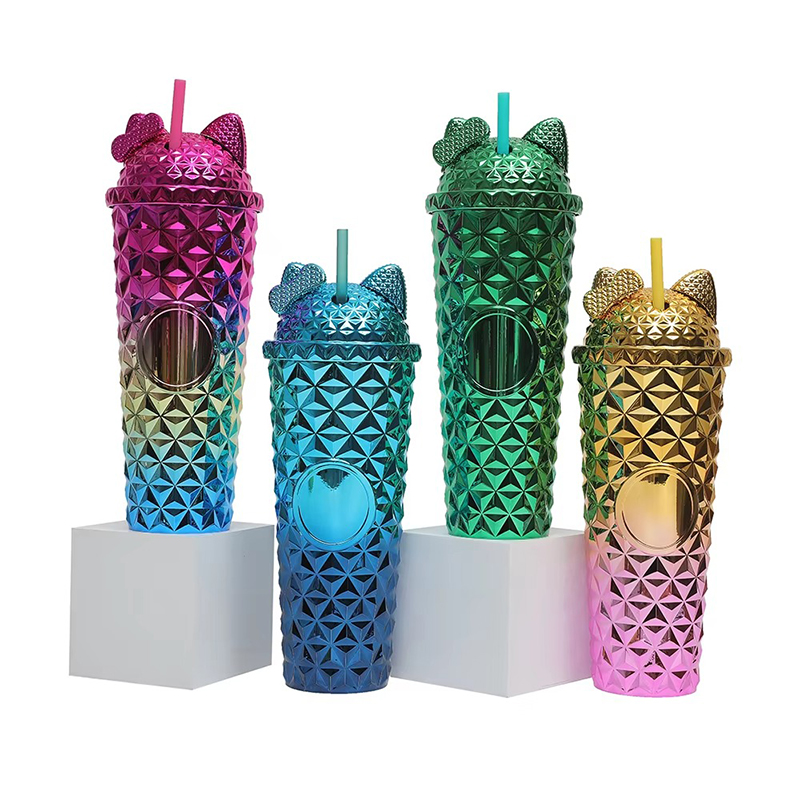
Odor retention usually starts with the material surface and how the cup is used over time. Drinks with stronger scents can leave traces behind, especially when the inner wall has more texture or when the cup is not cleaned soon after use. A smooth surface may be easier to rinse, while a rougher one can hold smell a bit longer.
Storage also plays a role. When a cup is closed for a long time after use, smell can stay inside the lid area or around hidden corners. That is one reason buyers often ask about cleaning habits before they choose a product. The cup body may be fine, but if the lid traps odor, the whole drinking experience changes.
A Plastic Tumbler Manufacturer usually looks at odor control from several angles:
A product that feels neutral after repeated use is easier to fit into everyday routines. That is especially important for coffee, tea, and flavored drinks, where smell can stay present even after rinsing. In many cases, odor resistance is less about one single feature and more about how several small details work together.
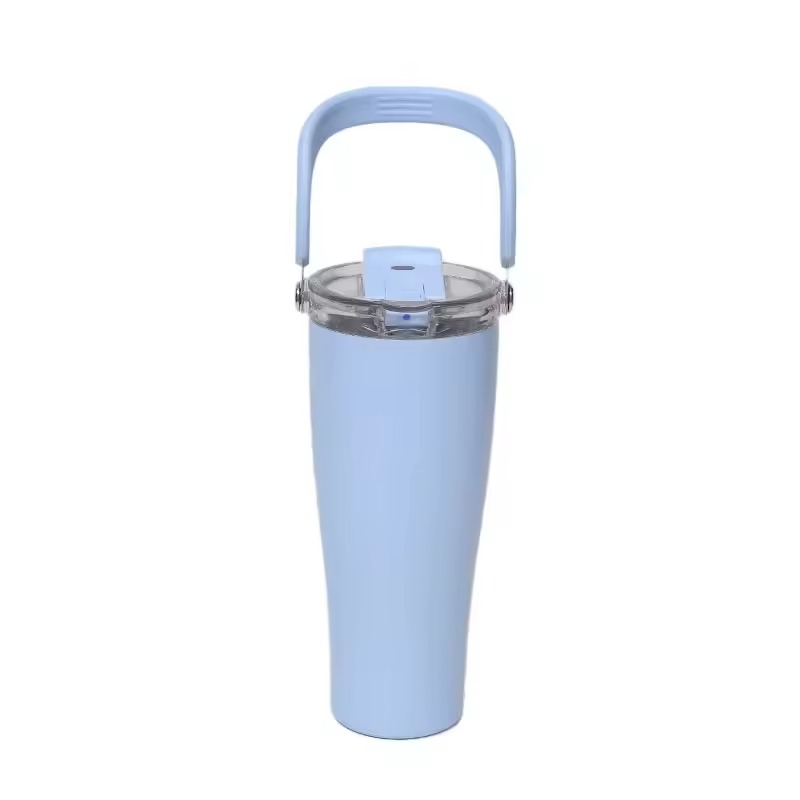
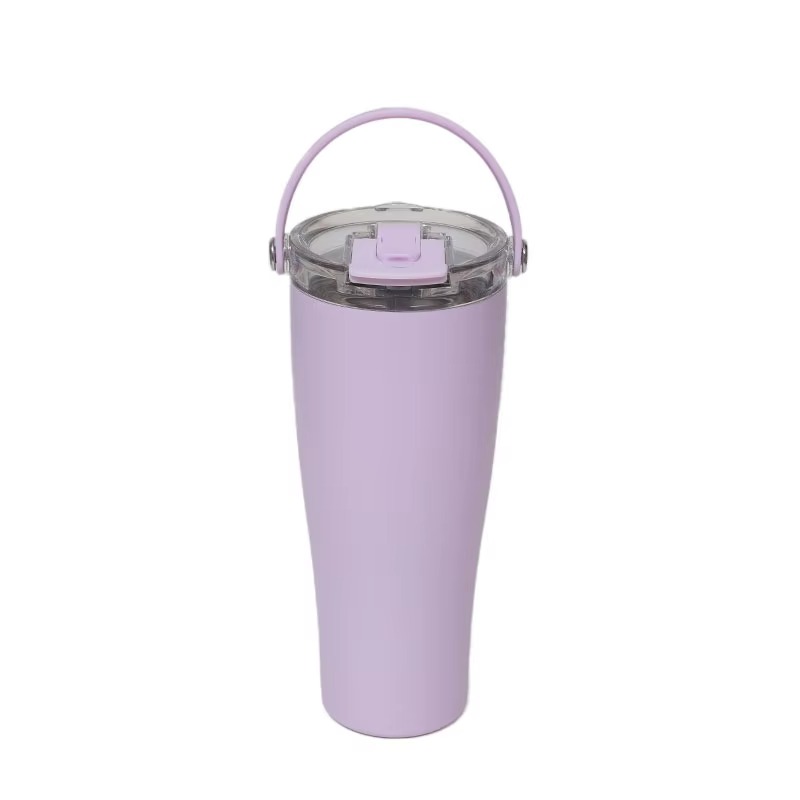
A lid does more than close a cup. It shapes the way people drink, carry, and clean the tumbler. When a straw lid is designed well, it should fit securely, open without strain, and stay stable during ordinary movement. When it is not aligned properly, even a small gap can create frustration during use.
A Plastic Tumbler Manufacturer needs to treat the lid as part of the user experience, not just as an accessory. The connection between the lid and the cup body has to feel consistent. If the fit is loose, the cup may feel unreliable. If it is too tight, opening and closing may become inconvenient. The balance sits somewhere in between.
| Design point | What users notice | Why it matters |
|---|---|---|
| Lid fit | Whether the lid feels secure | Affects confidence during carrying |
| Straw opening | How easily the straw moves | Influences daily convenience |
| Seal edges | Whether liquid stays inside | Supports cleaner use |
| Grip points | How easy the lid is to handle | Helps with opening and closing |
| Cleaning access | How easy it is to rinse | Makes routine care simpler |
In daily use, the straw lid is often judged in quiet moments. People notice whether it closes without effort, whether the straw sits properly, and whether the cup behaves as expected in a bag or on a desk. That makes lid design a practical part of product development rather than a surface detail.
Clear drinkware looks simple, but clarity is unforgiving. Small flaws that might stay hidden in darker products become visible in a transparent cup. Slight changes in surface texture, wall thickness, or finish can stand out immediately. That is why clear tumbler production often needs closer control than people expect.
In a Plastic Tumbler Manufacturer workflow, transparent cups demand steady handling at each stage. The material has to stay visually even. The shaping process has to avoid marks that distract the eye. Even minor scratches during packaging or transport can affect the final impression once the product reaches the customer.
What makes the process more sensitive is that clear cups reveal everything:
Buyers often choose transparent tumblers because they look fresh, clean, and easy to match with many drink styles. At the same time, that same clarity makes quality control more visible. A cup that looks good in a sample may show small issues in larger production if handling is not carefully managed. For this reason, consistency matters as much as appearance.
Another point is perception. A clear cup can look lightweight and refined, but only when the finish feels balanced. If the body looks cloudy or the edge appears uneven, the whole product can lose its appeal. That is why transparent designs often require careful coordination between material selection, production steps, and packing method.
Custom tumblers work well in settings where a product has to do more than serve a drink. Cafes often use them as part of the customer experience, while lifestyle brands may treat them as part of a visual identity. In both cases, the tumbler becomes part of the brand environment, not just a container.
A Plastic Tumbler Manufacturer usually sees that custom demand grows when buyers want the cup to fit a certain mood or setting. Some customers prefer a calm and minimal look. Others want bright colors, a soft finish, or a shape that feels modern in photos. The choice is often linked to how the cup will be displayed, carried, or shared.
Custom tumbler appeal often comes from a few practical points:
Cafes may choose custom cups because they fit takeaway habits and repeat visits. Lifestyle brands may use them because they connect with people who enjoy everyday objects with a unified look. In both cases, the cup has to feel suitable for real routines. Appearance matters, but so does how the product behaves in hand.
The same tumbler can serve different contexts when the shape, lid, and surface treatment are adjusted with care. That flexibility is one reason custom drinkware continues to stay relevant in retail, hospitality, and brand-driven products.
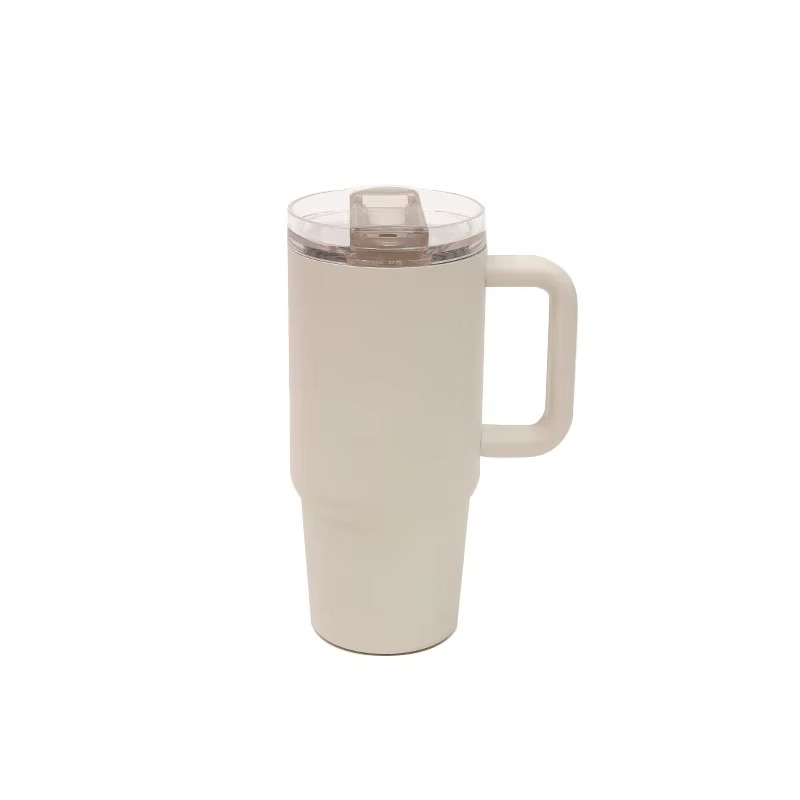
Large handle tumblers stay visible in retail shelves because the shape answers a simple need: easier carrying. A handle changes how a cup feels in daily use. It gives the hand a steadier grip, especially when the tumbler is filled or when someone is walking, commuting, or moving around a home or office.
The design also works well with casual drink habits. People often place tumblers on desks, in cup holders, or beside them during long periods of use. A handle makes the cup easier to pick up without adjusting the whole body each time. That small shift can make the product feel more practical in ordinary routines.
Retail buyers also pay attention to how the handle changes the overall outline of the cup. It can make the tumbler look more complete as a drinkware item, while still keeping the function simple. In many cases, the handle is not only about comfort. It also helps the cup stand out in a crowded retail setting without relying on complex decoration.
For a Plastic Tumbler Manufacturer, handle design is often a balance between appearance, comfort, and molding control. A handle that feels natural in the hand and keeps a clean shape can fit a wider range of retail uses, from home drinkware to casual gifting.
Color matching is one of the details customers notice quickly, even when they do not say it directly. A cup may have a simple shape, but if the color feels slightly off, the whole order can look less connected. That is why custom color work needs careful checking before production moves forward.
A Plastic Tumbler Manufacturer usually treats color matching as part of both design and production. The same shade can look different depending on surface finish, lighting, or the way the material takes color. A matte body may appear softer, while a clear body may show color with a different level of depth. This is why sample approval matters before full production begins.
| Color point | What buyers usually notice | What it affects |
|---|---|---|
| Shade tone | Whether the color feels close to the sample | Brand consistency |
| Surface finish | Whether the color looks soft or sharp | Overall appearance |
| Light response | How the color changes under different lighting | Shelf presentation |
| Batch alignment | Whether later pieces match earlier ones | Order consistency |
| Print pairing | Whether the logo sits well with the body color | Visual balance |
Custom orders often include more than one visual choice. A buyer may want the body color to feel calm, while the logo stays clear enough to read without competing with the cup itself. The result depends on how the material, the surface, and the print area work together. When these parts stay in balance, the tumbler feels planned rather than improvised.
Before placing an order, buyers usually want to reduce uncertainty. They ask about shape, material, lid fit, surface feel, packaging, and whether the sample reflects the final product closely enough. These questions are not always technical, but they matter because they affect how the tumbler will be used and presented later.
A Plastic Tumbler Manufacturer often receives questions that show where the buyer’s concern really is. Some want a cup that suits café use. Some want a product for retail display. Others are focused on daily use, cleaning, or printing. The questions may differ, but the goal is often the same: make sure the product matches the intended setting.
Common buyer questions often include:
These questions are useful because they reveal how the buyer sees the product in real use, not only on paper. A tumbler is rarely judged by one feature alone. Buyers usually look at the full combination of body shape, lid style, visual finish, and handling comfort. That is why early communication matters. It helps both sides focus on the parts of the design that are most likely to affect the final result.
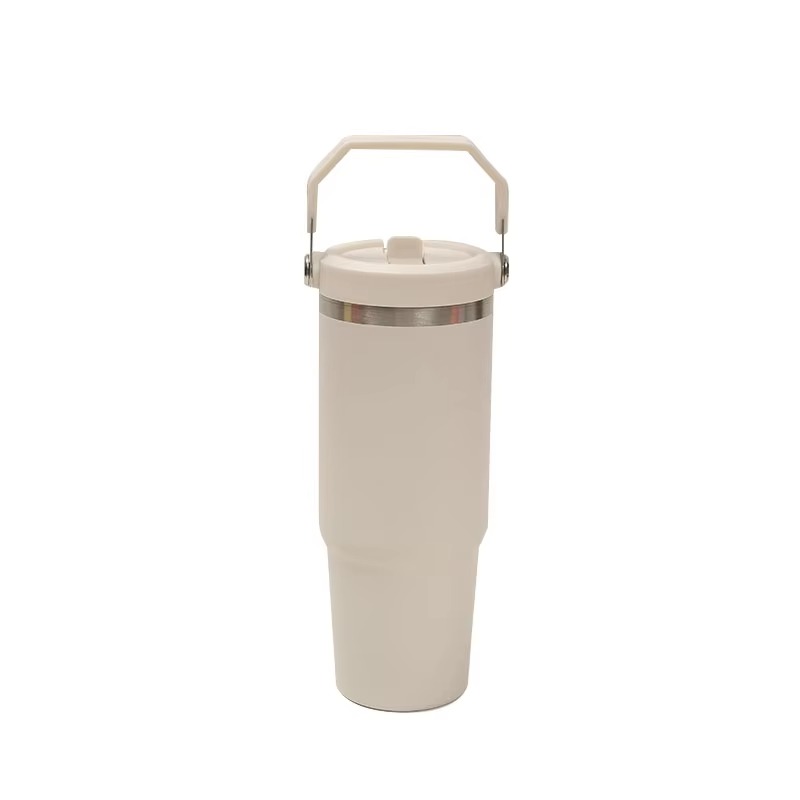
Double wall tumblers are often chosen for cold drinks because the layered structure changes how the cup feels in hand. With two layers around the body, the outer surface can stay more comfortable to hold while the inner space supports the drink. That makes the tumbler feel suitable for long periods of use, especially during warm weather or indoor routines.
Another reason people like this style is the visual effect. The layered shape can make the cup look fuller and more structured without adding unnecessary complexity. For some buyers, that look is part of the appeal. It gives the product a neat appearance while still keeping the function easy to understand.
A Plastic Tumbler Manufacturer usually pays attention to several practical details in this design:
The cold drink experience is not only about temperature. It also includes comfort, grip, and how the cup behaves during ordinary use. When a tumbler feels steady and clean in the hand, people are more likely to keep using it as part of their routine. That is why double wall design stays relevant in everyday drinkware, especially for buyers who want a shape that feels simple, familiar, and practical.
For buyers comparing custom drinkware options, these details often shape the final decision, and they are part of the work handled at Yongkang Xiaoyu Industry & Trade Co., Ltd.

Yongkang Xiaoyu Industry & Trade Co., Ltd. is a professional manufacturer of travel mugs, plastic cups and insulated cups. It is mainly engaged in the design, manufacture and sales of plastic cups and thermos cups.
 Previous