 search
 English
 English
 Español
 русский
Industrial News
Having a drink inside a car sounds simple, but in real driving situations it rarely stays consistent. A short trip can cool a beverage quickly, while traffic delays stretch the timing and change the taste experience. On top of that, air conditioning and outdoor weather constantly affect what is inside the cup. An Auto Mug is often used in these conditions where stability matters more than fixed performance.
What is an Auto Mug and how does it keep your drink at a steady temperature while driving
An Auto Mug is not really about locking a drink at one exact temperature. In daily use, that approach is not very practical inside a moving vehicle. Instead, the focus is on slowing down temperature change so the drink stays usable for longer.
When the liquid starts to cool, the system may gently bring it back within a comfortable range. The adjustment is usually subtle, not sudden. If the cabin is already warm, it avoids adding unnecessary heat.
What users usually notice is quite simple:
- The drink does not change temperature too quickly after being placed inside
- It stays drinkable without constant attention
- There is less need to reheat or reset anything during the drive
In practice, an Auto Mug is more about reducing effort than controlling a precise number.
How does Auto Mug design support stable temperature control during long distance driving or traffic jams
During long drives or slow traffic, the environment inside a car keeps shifting. Sunlight comes in through windows, air conditioning cycles on and off, and the vehicle may stay still for a long time. All of this affects how a drink behaves inside a container.
Instead of reacting sharply, the design usually works in a slower way. Heat moves gradually, and the structure of the cup helps limit fast changes.
In everyday use, this shows up as:
- Temperature dropping at a slower pace during long waiting periods
- Less noticeable change between stop-and-go movement
- A more steady drinking experience over time
| Situation | What usually happens | User experience |
|---|---|---|
| Heavy traffic | Slow cooling process | Drink stays usable longer |
| Continuous driving | Gradual heat loss | No sudden change in taste |
| Waiting in car | External temperature impact increases | Adjustment feels mild |
The idea is not to eliminate change, but to keep it less noticeable.
Which temperature settings are commonly used in an Auto Mug for coffee tea and other daily drinks
Different drinks behave differently once they are placed inside a cup in a moving vehicle. Coffee, tea, and water each respond to temperature in their own way, but in real driving situations, most users are not focusing on precise adjustments. The priority is usually whether the drink remains comfortable to use while on the road.
Coffee is often kept in a range where it stays warm enough to drink at a relaxed pace, without needing to rush. Tea tends to depend more on maintaining its aroma and a steady warm feeling, since temperature changes can affect how the flavor is perceived. Water and other simple drinks are less sensitive, and the main concern is usually just avoiding them becoming too cold during the trip.
In practice, people rarely think in exact settings. Instead, they judge based on experience during use, such as whether the coffee still feels right after a period of driving, or whether the tea maintains its character while sitting in the cup. Over time, drivers often adjust their habits naturally based on how they use the Auto Mug in everyday conditions rather than relying on fixed temperature choices.
How does an Auto Mug manage heating performance inside different car environments like summer heat or winter cold
Inside a car, temperature is never really stable. A parked vehicle in sunlight can become warm quickly, while cold weather can keep the cabin temperature low for a long time. These shifts directly affect anything stored inside.
The behavior of an Auto Mug in these environments is usually gradual rather than reactive. It does not try to force a strong change, but instead responds in a controlled way.
In different conditions, the pattern is usually:
- Warmer environment leads to reduced heating activity
- Colder environment triggers more frequent mild warming
- Changing conditions result in slow adjustment rather than sudden shifts
From a user perspective, the main difference is not a fixed temperature value, but whether the drink remains comfortable to use without extra effort.
What happens to an Auto Mug when the car engine is turned off and how does it handle power changes safely
Once the engine stops, the cup is no longer working in the same way as it does during active driving. That shift matters because the power source may become unstable, or stop entirely, depending on how the vehicle is set up. A practical design needs to respond without creating sudden changes that could affect the drink or the user.
In normal use, the transition should feel quiet rather than abrupt. The cup may reduce heating activity, hold the current condition for a short time, or switch into a lower-demand state. The main point is to avoid a situation where the drink suddenly loses comfort or the device behaves in a way that feels uncertain.
For drivers, this is usually more about predictability than performance. If the heating stops, the liquid should still remain in a usable state for a reasonable period. If power returns, the system should resume without requiring complicated input. That kind of behavior makes the product feel easier to trust in daily use.
Why does It placement inside the car matter for power connection safety and user comfort
Where the cup sits inside the car affects more than convenience. Placement can influence whether the power connection stays stable, whether the mug is easy to reach, and whether it interferes with driving posture or movement. A poorly chosen position can make the whole experience feel awkward even if the product itself works well.
The most practical location is usually one that keeps the unit steady and easy to access without leaning too far or taking attention away from the road. A cup placed too low may be hard to remove. One placed too high may feel exposed to sudden movement. The position also matters for cable routing, since loose or stretched connections can create extra strain.
| Placement factor | What it affects | User experience |
|---|---|---|
| Reaching distance | Ease of use | Less effort while driving |
| Stability of base | Spill risk | More steady movement |
| Cable direction | Power connection | Cleaner and safer setup |
| Seat and console space | Comfort | Less interference with driving |
In everyday use, placement is often chosen by habit, but the difference becomes clear when the car is moving, turning, or stopping often. A stable position usually feels more natural after a few trips.
How does Auto Mug design support one handed use while driving conditions remain active
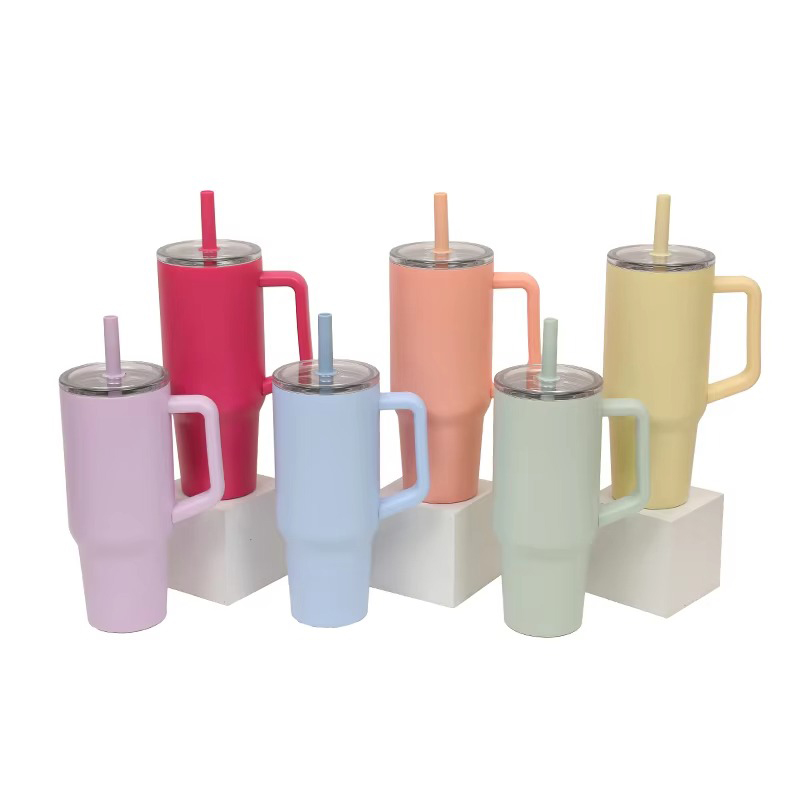
A driver rarely has both hands free, so the cup has to work with limited motion. That means the lid, grip, opening method, and overall shape all need to feel manageable with one hand. If the user has to pause too long or use both hands often, the product becomes less practical in real driving situations.
A smoother design usually avoids complicated actions. The lid should open with minimal effort, the body should sit securely in the hand, and the opening should be easy to drink from without extra adjustment. Even small details like surface texture or the balance of the cup can change how comfortable it feels in motion.
The value here is not about making the cup feel advanced. It is about keeping actions simple when the vehicle is moving, the road is uneven, or attention is divided. A well-shaped Auto Mug lets the user hold, sip, and place it back without breaking the rhythm of driving.
How should an Auto Mug be cleaned and maintained to keep heating performance consistent over time
Cleaning matters because drink residue, moisture, and repeated use can slowly affect how the cup behaves. When surfaces are left unclean, the inside can become harder to keep fresh, and the heating function may also feel less stable over time. Regular care helps the product stay usable without creating extra effort later.
The process should stay simple. Parts that come into contact with liquid need attention first, especially the lid, seal, and inner walls. If the design allows easy disassembly, cleaning becomes less of a chore. Drying also matters, since leftover moisture can affect storage and daily reuse.
A simple maintenance routine usually looks like this:
- Rinse the inner cup after use
- Clean the lid and sealing parts with care
- Dry all parts before putting them back together
- Check for residue or wear in the contact areas
A cup that is cleaned regularly tends to feel more consistent during use. The heating behavior stays more predictable, and the overall experience remains closer to what the user expects over time.
 Previous