 search
 English
 English
 Español
 русский
Industrial News
Every morning starts the same way in my kitchen. I reach into the cabinet, past the fancy ceramic mugs from the wedding registry, past the expensive insulated travel cups. My hand finds what it's looking for in the back corner—a simple, slightly faded blue plastic mug. It's not the prettiest cup I own. The color has dulled over the years. There's a small scratch near the handle from when it fell off the counter. But this is the cup I use every single day. It holds my morning coffee perfectly. It goes from microwave to dishwasher without complaint. When my toddler grabs it from the table, I don't panic. This plastic mug has become part of my daily routine in a way no other cup ever has.
Most of us have a similar relationship with these humble containers. We own them, use them, but rarely think about them. They don't get displayed in glass cabinets. They don't get mentioned when guests compliment our kitchenware. They live quiet lives of service on lower shelves, in picnic baskets, at the back of office kitchen cabinets. Their very invisibility in our consciousness speaks to how perfectly they perform their job. A tool that works so well we forget it exists might be the highest compliment we can pay to its design.
So why does something so useful become so overlooked? I think it comes down to perception. We associate plastic mugs with cheapness, with temporary solutions. We see them at fast-food restaurants, at community events, in hospital waiting rooms. Their presence in these practical, no-frills environments creates an impression. We start to believe they belong only in those spaces, that they're not good enough for our "real" lives at home. But this thinking misses the point entirely. The qualities that make plastic mugs perfect for a busy hospital—durability, ease of cleaning, low cost—are exactly the qualities that make them perfect for our busy homes.
To understand this, we should look at what they're made of. The most common material for quality plastic mugs is polypropylene. This wasn't always available. Before the mid-20th century, most durable cups were made from ceramics, glass, or metal. Then came the plastics revolution. Factories learned to make polypropylene in large quantities. This material changed everything. It was lighter than anything that came before. It could withstand temperatures from freezer to microwave without cracking. It didn't absorb smells or flavors. Best of all, manufacturers could produce it so inexpensively that nearly every family could afford multiple cups. For the first time in history, reliable food containers became truly democratic—available to everyone, not just those who could afford breakable ceramics.
The designers of early plastic mugs understood they were working with something special. They created forms that celebrated the material's strengths. The classic stackable design represents pure genius. Ten plastic mugs take up less space than three ceramic mugs. This simple innovation saves room in kitchen cabinets around the world. The slight texture many have around their middle isn't just decoration—it provides grip when hands are wet or soapy. The handles are sized to fit both small children learning to drink and adults with larger hands. Every design choice serves a purpose. There are no unnecessary flourishes, no decorative elements that might chip or break. The beauty is in the function.
This functional beauty makes plastic mugs essential in our daily lives. For parents, they're practically magical. When my daughter transitioned from bottles to cups, we tried ceramic "training cups." They shattered on our tile floor within days. Then we bought simple plastic mugs. She could throw them, drop them, knock them over—they survived everything. More importantly, they gave her confidence. She learned to drink independently without us hovering nervously nearby. That freedom matters for both children and parents.
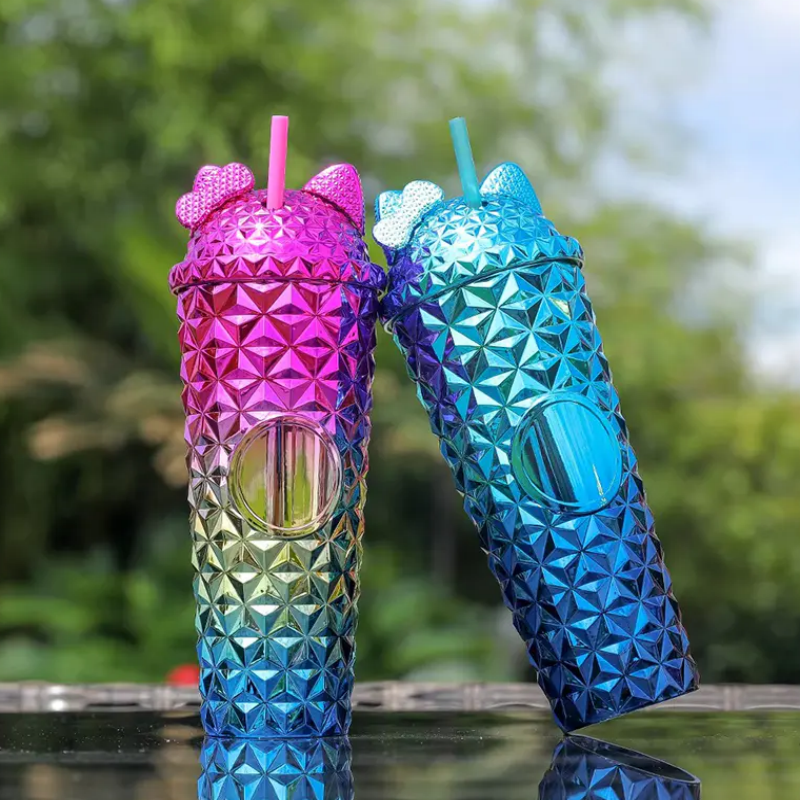
Beyond the home, plastic mugs form the invisible backbone of communal spaces. Visit any office kitchen in America and you'll find them. They're the cups everyone uses but nobody owns. They wait by coffee machines in church basements, community centers, and school cafeterias. At summer camps, they hang from hooks in dining halls, ready for another meal. Their low cost allows organizations to buy hundreds. Their durability means those hundreds last for years. In these shared spaces, plastic mugs become a quiet form of hospitality—always available, never precious, welcoming to everyone equally.
Their true excellence shows in outdoor settings. Last summer, our family went camping in the mountains. I packed our usual plastic mugs without much thought. Around the campfire that first evening, I watched as they served multiple purposes. They held our hot chocolate as we sat by the fire. In the morning, they measured water for oatmeal. When my son dropped his from the picnic table, it bounced on the dirt without breaking. Later that day, we used them to collect wild blueberries. Their light weight meant they didn't burden our backpacks on hikes. Their durability meant we didn't worry about rough treatment. In that natural environment, away from modern conveniences, their practical design shone brightest.
There's an emotional layer to these objects we often miss. That blue mug I use every morning? It came from my grandmother's house. After she passed away, I took it from her kitchen. It wasn't valuable. She probably got it at some community event decades ago. But now, when I drink from it, I remember her. I remember her practical nature, her "waste not, want not" philosophy. The mug carries that memory in its faded color and slight imperfections. Other plastic mugs in our home tell different stories—one from a friend's wedding, another from a memorable vacation, several from our children's early years. Their inexpensive nature makes them perfect memory-keepers. We use them without fear of damaging something precious, so they become woven into the fabric of our actual lives, not kept separate as display pieces.
Of course, we can't discuss plastic today without considering the environment. The images of plastic pollution are rightfully concerning. But here we need to make an important distinction. The problem isn't plastic itself—it's how we use it. A plastic mug designed to be used once and thrown away contributes to waste. But a plastic mug designed to be used for years represents a different approach. The most sustainable product isn't necessarily the one made from the most exotic "green" material. It's the one that lasts the longest and gets used the most. A single well-made plastic mug used daily for a decade likely has a smaller environmental footprint than multiple ceramic mugs that chip and break over that same period. The solution isn't to abandon plastic entirely, but to choose durable plastic items and commit to using them for their full lifespan.
This philosophy of thoughtful, lasting utility guides everything we do at XIAOYU. We look at ordinary objects like the plastic mug and see not limitations, but possibilities. Our design process begins with observing how people actually use these mugs in their daily lives. We notice how certain handles cause fatigue during long use. We see how some lids leak in bags. We understand how important weight and balance feel in someone's hand. Then we engineer solutions. We test different polypropylene blends to find the perfect balance of flexibility and rigidity. We design handles with ergonomic curves that fit naturally in the hand. We create locking lid mechanisms that actually work, not just look good. We choose colors that resist fading over years of dishwasher cycles. Every decision serves one goal: to make plastic mugs that people will use and cherish for years, not weeks. Visit XIAOYU to see this approach in practice. We're reimagining the humble plastic mug—not as a disposable convenience, but as a thoughtfully designed companion for daily life.
 Previous