 search
 English
 English
 Español
 русский
Industrial News
Daily drinking habits are not as rigid as they used to be. Many people now drink in shorter intervals throughout the day, often while doing something else at the same time. Work, commuting, and even simple home routines tend to blend together, which changes how drinkware is used in practice.
In this kind of environment, the way a cup is built starts to matter in subtle ways. Not just how it holds liquid, but how it feels to use without stopping what you are doing. Straw based tumblers often appear in these situations because they reduce the steps needed to take a sip and keep things moving in a more natural rhythm.
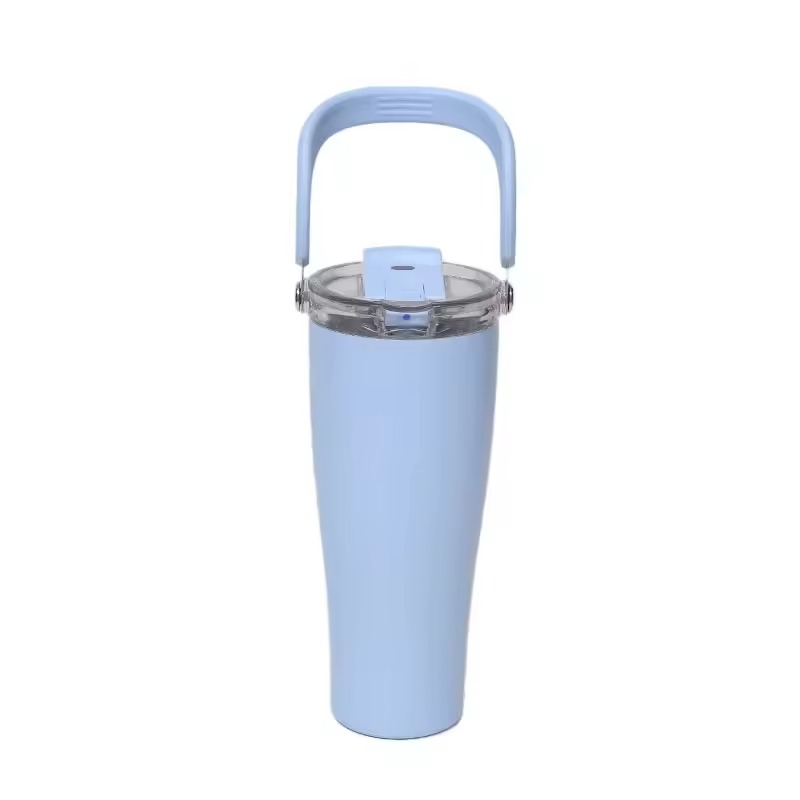
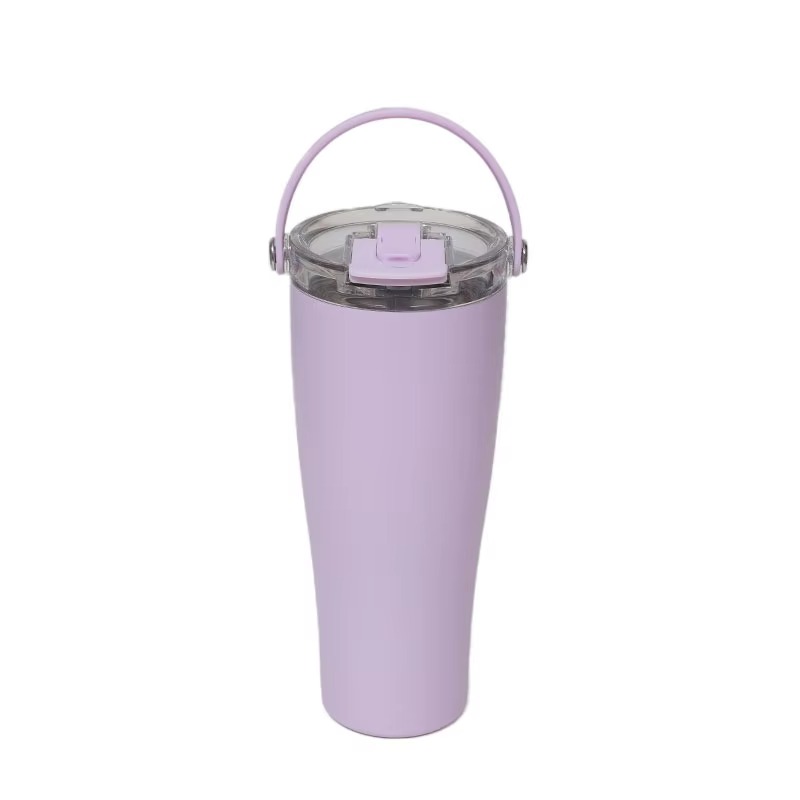
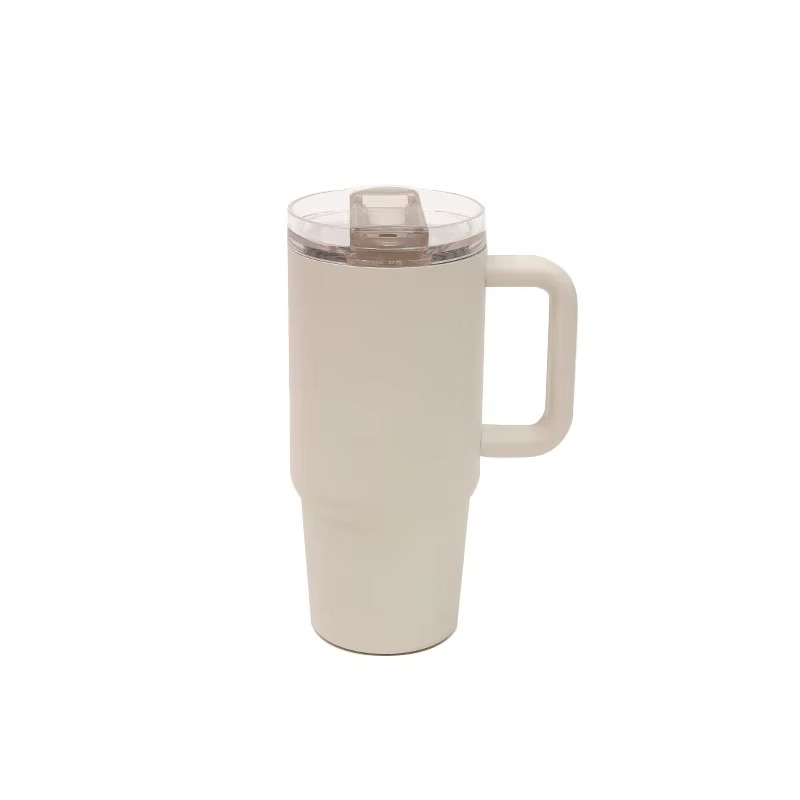
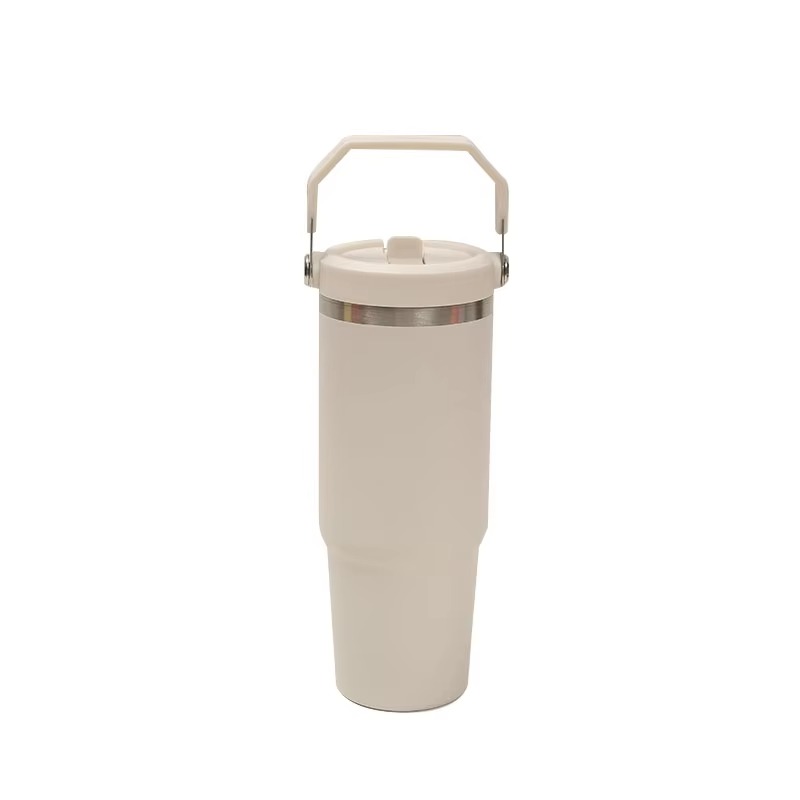
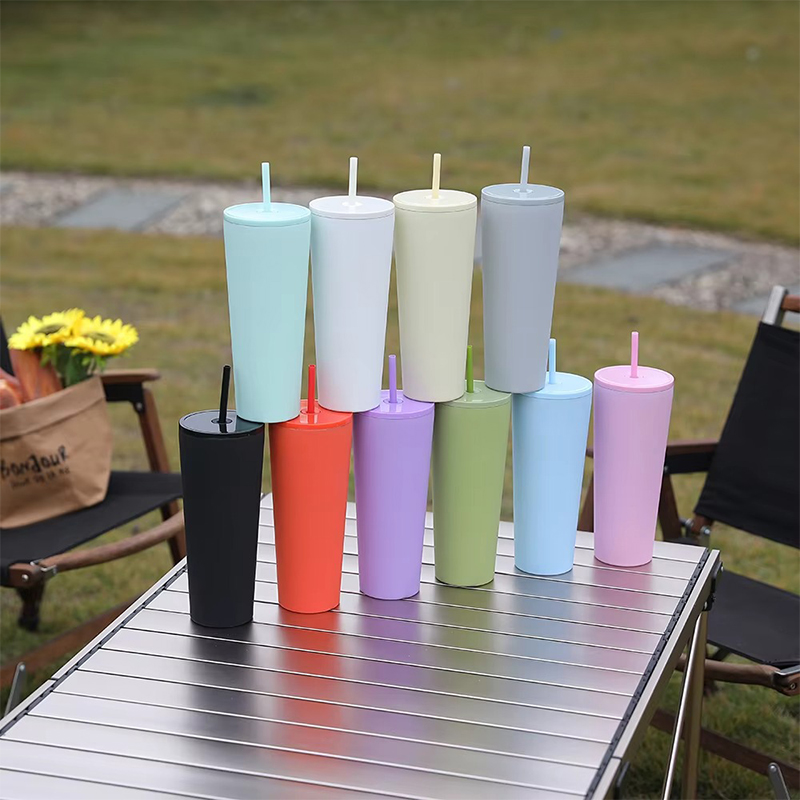
The following sections look at several aspects of how Tumbler With Straw fits into these everyday patterns.
What Makes Tumbler With Straw Fit Modern On The Go Drinking Habits And Daily Hydration Routines
Most people do not sit down specifically to drink anymore. Instead, hydration happens between tasks, during short pauses, or while moving from one place to another. That shift changes what people expect from a cup.
A straw based design supports that pattern in a quiet way. There is no need to tilt the cup, adjust posture, or fully interrupt what you are doing. A small sip can happen almost automatically while attention stays elsewhere.
In real usage, a few patterns appear quite often:
- Drinking in short pauses rather than dedicated breaks
- Keeping one hand free while still sipping
- Returning to the cup many times during the day without thinking about it
- Staying hydrated without "planning" each drink moment
A Tumbler With Straw fits into this rhythm because it removes friction. The act of drinking becomes lighter and less noticeable, which is often what people prefer in busy routines.
How Tumbler With Straw Changes The Way People Carry Cold Drinks During Work Travel And Outdoor Use
Carrying drinks used to involve more attention than it does now. Lids needed to be opened, closed, or tilted carefully, especially when walking or sitting in transport. Straw based cups simplify part of that interaction.
Instead of adjusting the whole container, users just sip and continue moving. That small change affects how the cup is placed, held, and stored during the day.
| Situation | Typical Behavior Without Straw | Behavior With Straw Design |
|---|---|---|
| Desk work | Frequent lid opening and closing | Sipping while working continues |
| Walking indoors | Often paused to drink | Small sips while moving |
| Vehicle use | Careful handling required | Stable sipping from holder |
| Outdoor activity | Requires stopping to drink | Quick access without full opening |
In practice, Tumbler With Straw reduces the need for repeated handling. The container becomes something that stays in use rather than something that interrupts movement.
Which Material Choices For Tumbler With Straw Affect Taste Comfort And Long Term Use Experience
Materials influence how a drink feels even before the first sip. Some cups feel neutral, while others may slightly affect taste or temperature perception depending on what they are made of.
In straw tumblers, different parts serve different roles. The body, lid, and straw are not always made from the same material, and that combination affects daily use more than it might seem at first.
Common material choices often aim to balance a few simple things:
- Keeping the drink taste close to its original flavor
- Making the cup comfortable to hold for longer periods
- Allowing repeated washing without noticeable wear in normal use
- Maintaining clarity or structure depending on the design style
Some users notice that certain materials feel more stable when holding cold drinks, especially when condensation appears on the surface. Others focus more on whether the inside retains any leftover smell after cleaning.
Over time, these small impressions build up into how the product is experienced day to day.
Why Tumbler With Straw Is Often Used For Iced Coffee Juice And Cold Water Hydration Scenarios
Cold drinks behave differently from hot ones in everyday use. People tend to sip them slowly, especially when ice is involved or when the drink is meant to last over a longer period.
That is where straw based drinking becomes practical. Instead of tilting the cup or waiting for ice to shift, sipping becomes gradual and steady.
A few reasons this pairing appears often:
- Ice stays in place while drinking continues
- Cold temperature feels more controlled through small sips
- Sweet or flavored drinks are consumed over time rather than quickly
- Less need to open or close the lid repeatedly
For drinks like iced coffee or juice, Tumbler With Straw supports a slower pace without changing how the drink is enjoyed. It matches the natural way many people already consume cold beverages, especially when they are not in a hurry.
How Straw Design In Tumbler With Straw Influences Flow Rate Drinking Ease And User Feel
The way a straw is shaped and positioned can change the entire drinking experience in a subtle way. People rarely think about it directly, but the difference becomes noticeable during repeated daily use.
Some straws allow liquid to move with very little effort, while others create a slightly tighter pull. This is not only about comfort, but also about how naturally the drink fits into different moments of the day.
A few design aspects often shape the experience:
- Straw width influencing how quickly liquid moves
- Angle inside the lid affecting drinking posture
- Length determining how stable the flow feels when the cup is tilted or moved
- Connection point between lid and straw shaping overall smoothness
In a Tumbler With Straw, these elements work together quietly. When the balance feels right, drinking does not interrupt focus, even during work or movement. When it is not aligned, users tend to notice small friction points, like uneven flow or slight resistance.
What Makes Leak Resistance Work In Tumbler With Straw Lids Seals And Straw Structure Design
Leak resistance is usually not the result of one single part. It comes from how several small components interact with each other in daily conditions.
Instead of focusing on only the lid, it helps to look at the full structure as a connected system. The seal, the straw opening, and the internal fit all play a role when the cup is carried in different positions.
Common structural elements include:
- Lid sealing ring that helps reduce liquid movement during tilt
- Straw fit area that controls how tightly the straw sits in place
- Closing structure that supports stability when the cup is not in use
- Internal pressure balance that affects movement during transport
| Situation | Pressure or Movement Condition | Resulting Behavior |
|---|---|---|
| Sitting upright on desk | Low movement | Stable and minimal risk of leakage |
| Placed in bag sideways | Moderate shifting | Seal and straw fit become more important |
| Vehicle cup holder | Continuous vibration | Lid structure plays a key role |
| Quick hand carry | Sudden tilt changes | Combined sealing and straw tightness matter |
In real use, a Tumbler With Straw is often judged not in perfect conditions, but in these small unpredictable moments. That is where structural coordination matters most.
Tips For Cleaning Tumbler With Straw To Reduce Residue Buildup And Maintain Daily Hygiene
Cleaning is often where users notice the practical side of a straw based cup. Unlike simple open cups, the internal channel of a straw needs a bit more attention because liquid passes through a narrow space.
It is usually less about complexity and more about consistency. When cleaning becomes part of a simple routine, buildup is less likely to appear over time.
A few practical habits are commonly used:
- Rinsing immediately after sweet or flavored drinks
- Separating straw and lid when possible for full access
- Using soft cleaning tools for internal channels
- Allowing all parts to dry fully before reassembly
The straw area is the part that benefits most from regular attention, especially when used with drinks that leave residue. Even simple rinsing can reduce buildup if done consistently.
A Tumbler With Straw stays easier to maintain when cleaning is treated as a short daily step rather than a long occasional task.
Where And When Tumbler With Straw Fits Best In Office Fitness Driving And Outdoor Drinking Routines
The usefulness of a straw based cup becomes clearer when looking at where it is actually used rather than how it is described. Different environments create different expectations for how a drink should be accessed.
In office settings, drinking often happens while attention stays on a screen or conversation. At that moment, reducing the need to open or tilt a cup helps keep focus steady.
During driving, stability matters more. The cup needs to stay in place while still allowing small sips without distraction. Straw access supports that pattern naturally.
In fitness or movement based activities, hydration is usually frequent but small in volume. Quick access becomes more important than large drinking moments.
| Environment | Typical Use Pattern | Straw-Based Advantage |
|---|---|---|
| Office desk | Continuous work with short pauses | Easy sipping without interruption |
| Driving | Limited hand movement | Stable access in holder |
| Fitness activity | Repeated hydration moments | Quick small sips during rest |
| Outdoor walking | Irregular movement | Simple one-hand use |
Tumbler With Straw tends to fit because it adapts to motion rather than requiring stillness. The design supports use in motion, which aligns with how daily routines are structured for many people.
 Previous