 search
 English
 English
 Español
 русский
Industrial News
A customer once contacted a drinkware supplier with a complaint.
The vacuum cup water bottle had worked well for more than a year. Coffee stayed warm through the morning commute, and cold drinks remained cool for hours. Then one day, the user noticed something different.
The outside of the bottle felt slightly warm.
The drink cooled faster than before.
Naturally, the primary thought was that the bottle had become defective.
In reality, insulation performance can change for several reasons. Some are related to the vacuum structure itself, while others come from everyday wear that many people never notice.
A quick touch test often reveals something
Many users discover a problem without using any measuring equipment.
A properly functioning vacuum cup water bottle usually keeps heat inside the inner chamber. When hot water is poured in, the outer wall should remain relatively comfortable to touch.
If the outside becomes noticeably warm soon after filling, it may suggest that heat is moving more easily between the inner and outer walls than before.
This does not automatically identify the cause, but it is often the primary sign people notice.
Small impacts can matter
A bottle does not need to look damaged to experience a hard knock.
Think about how a vacuum cup water bottle is used over time. It falls from a desk, bumps against a car door, rolls around inside a backpack, or slips from a kitchen counter.
Many of these incidents leave little or no visible evidence.
However, repeated impacts may affect the internal structure long before obvious exterior damage appears.
That is one reason manufacturers often recommend handling insulated drinkware with reasonable care, even when the product appears sturdy from the outside.
The lid is sometimes overlooked
When insulation performance drops, people often focus on the bottle body.
Yet the lid deserves attention too.
A vacuum cup water bottle relies on more than the vacuum layer alone. The sealing system also plays a role in maintaining temperature.
If a sealing ring becomes worn, misplaced, or damaged, heat can escape more easily than before.
Before assuming there is a problem with the bottle itself, it is worth examining the lid and gasket.
A simple home check
Many consumers want to know whether they can test a bottle without specialized tools.
A basic comparison can provide clues.
|
Observation |
What It May Suggest |
|
Outer wall stays cool |
Insulation likely functioning normally |
|
Outer wall becomes warm quickly |
Possible insulation issue |
|
Lid area loses heat rapidly |
Seal may need inspection |
|
Visible dents after impact |
Internal structure may have been affected |
|
Performance unchanged |
Normal operation |
While this is not a laboratory test, it can help identify whether further inspection is worthwhile.
Age can play a role
People sometimes expect a vacuum cup water bottle to perform exactly the same way forever.
Like many everyday products, however, drinkware experiences years of use.
The bottle travels to work, accompanies outdoor activities, and goes through countless washing cycles.
Over time, wear accumulates.
That does not mean every older bottle will lose insulation, but age is one factor worth considering when evaluating performance changes.
What users often mistake for insulation failure
Not every temperature change means the bottle has a problem.
Seasonal conditions can influence expectations.
For example:
drinks may start at different temperatures
outdoor weather can affect perceived performance
lids may be opened more frequently
bottle capacity may vary between uses
filling volume may change
Sometimes the bottle is functioning normally while usage habits have changed.
When replacement may be worth considering
Many insulated bottles remain in service for years.
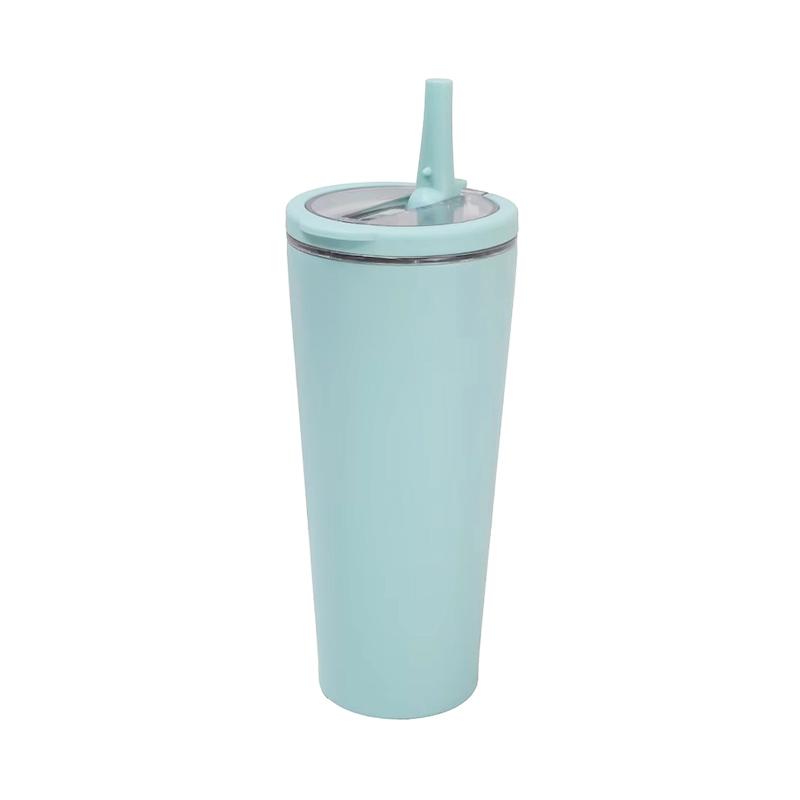
However, if a vacuum cup water bottle shows noticeably reduced performance, repeated heat transfer through the outer wall, or signs of structural damage after impacts, users may decide that replacement is more practical than continued troubleshooting.
The decision often depends on the age of the product and how heavily it has been used.
A useful habit for long-term performance
One interesting pattern appears among long-term users.
People who regularly inspect seals, avoid unnecessary impacts, and clean their bottles carefully often report fewer performance concerns.
A vacuum cup water bottle is designed for daily use, not for display on a shelf. Small signs of wear are normal. Yet occasional checks can help identify issues before they become more noticeable.
For many users, the simplest test remains the widely effective one: fill the bottle with a hot drink, hold it in your hands, and pay attention to how the outer wall feels. Sometimes that quick observation reveals more than people expect.
 Previous