 search
 English
 English
 Español
 русский
Industrial News
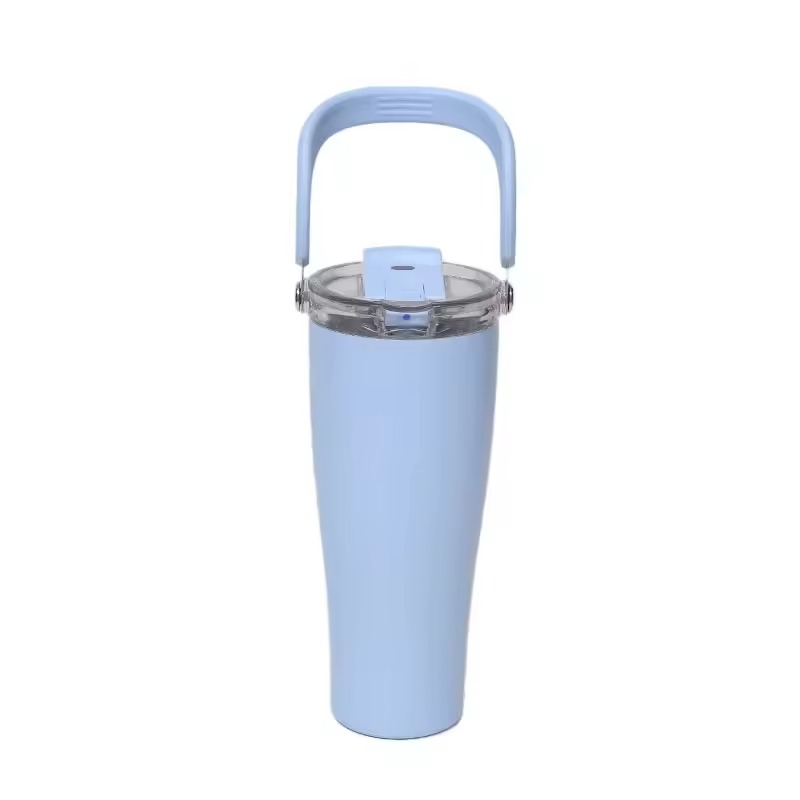
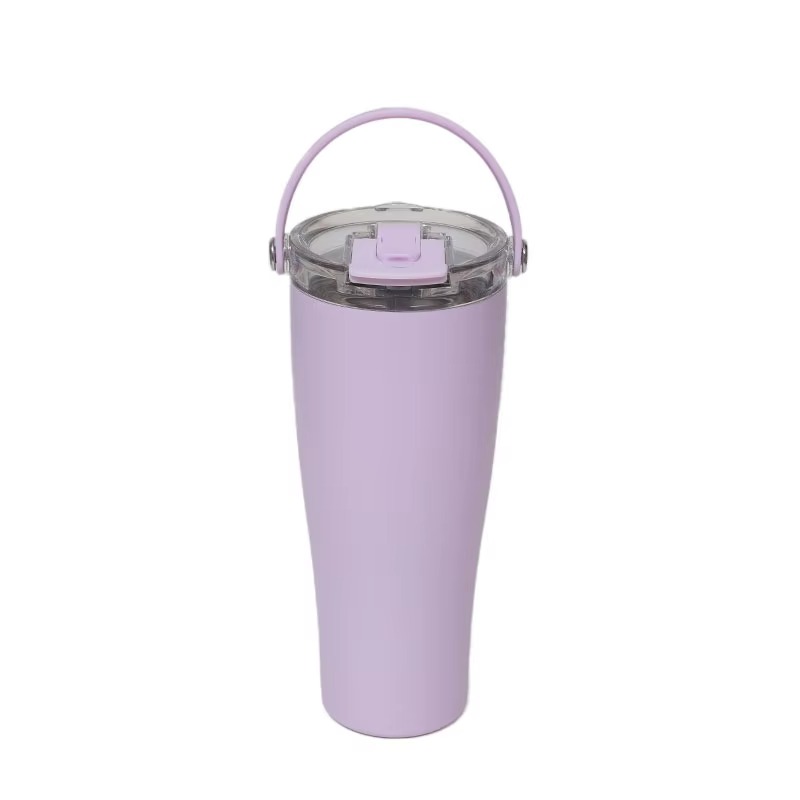
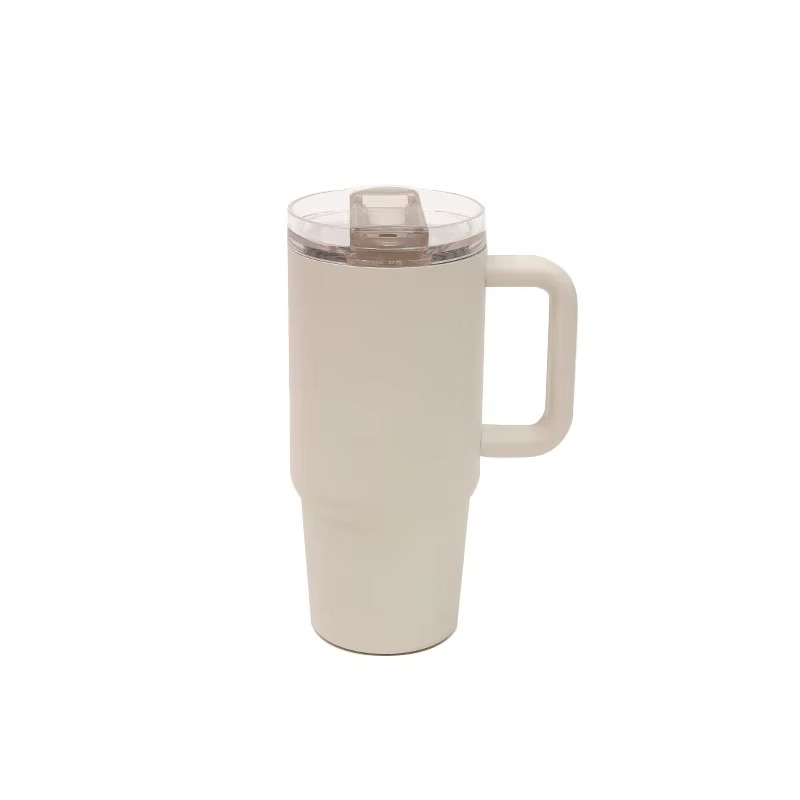
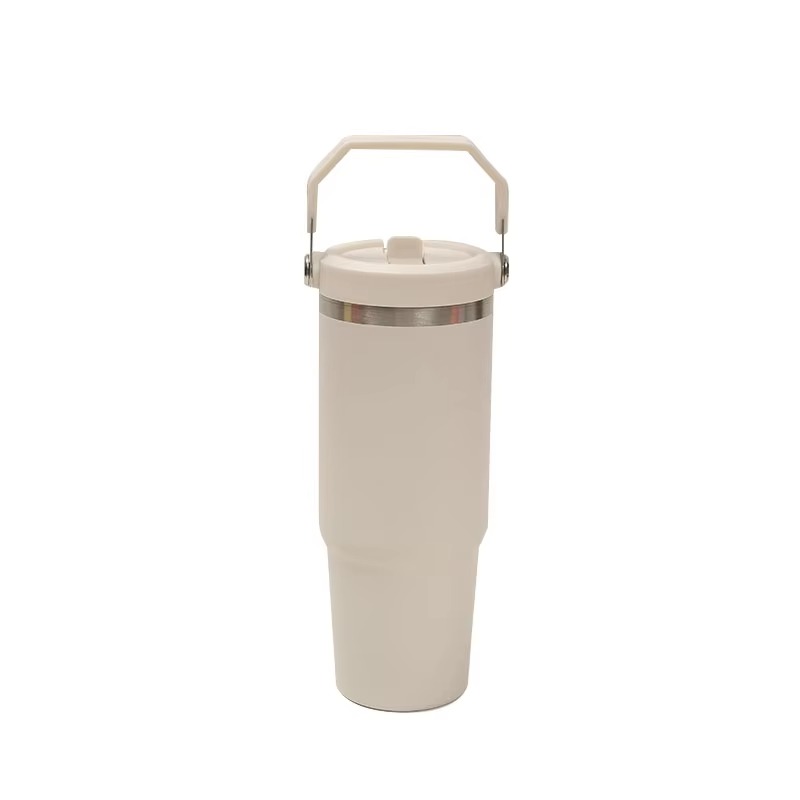
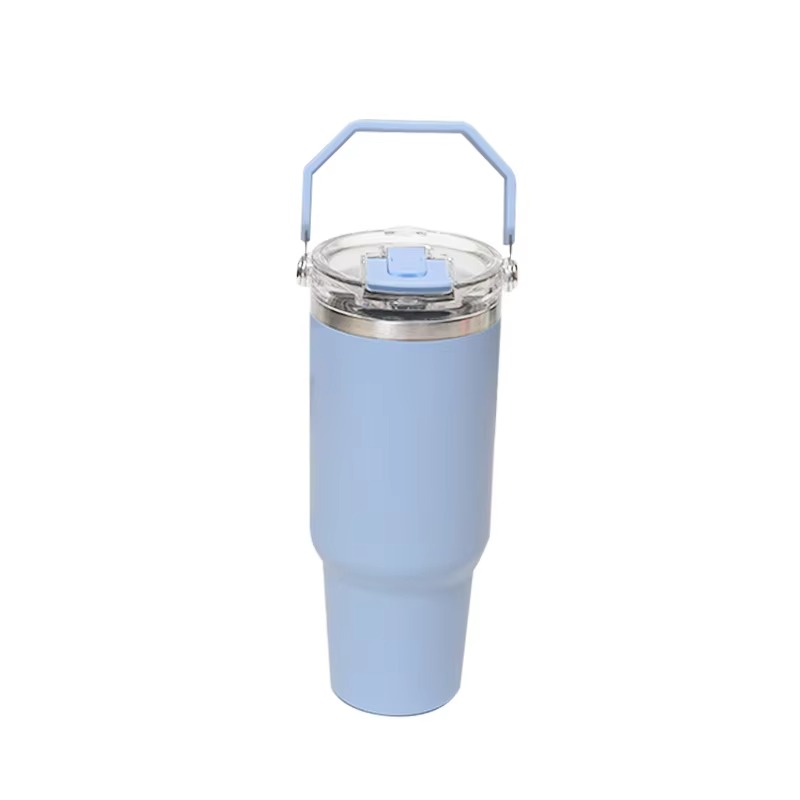
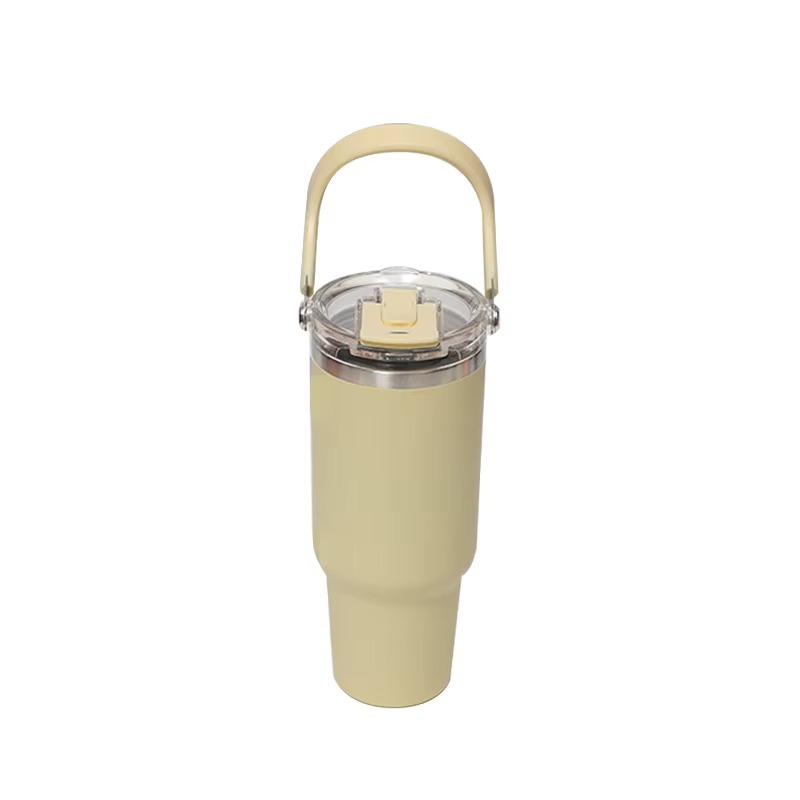
As more people balance commuting, work, and family routines, devices designed to keep beverages warm during travel have gained attention. A car mug promises convenience: it heats or maintains a drink, fits into a vehicle cup holder, and can be part of a daily ritual. Yet everyday use reveals a mixture of benefits, limitations, and practical behaviors that determine whether such a device becomes a helpful habit or a source of mild frustration.
How the device works in daily life
At a basic level, these travel mugs use an internal power source and a heated base to maintain beverage temperature. That technical setup leads to a few fairly predictable outcomes when the mug is used outside a controlled environment.
- Volume and heat demand: Larger volumes require more energy to keep warm, so a physically bigger mug may feel like it cools faster than a smaller mug that uses the same internal power.
- Routine matters: Users who charge the mug regularly—overnight or at a frequent charging spot—rarely experience an empty battery during normal days. Keeping a spare charging base in a second location is a common workaround.
- Environmental influence: Cold weather or open windows increases heat loss and raises the energy needed to keep a beverage warm.
- Consumption pattern: Sipping slowly extends the time the device must sustain temperature; quick consumption puts less demand on the power source.
These features mean that two people using the same car mug can have very different experiences depending on where they keep it, how they drink, and how they charge it.

Charging habits and surprising behaviors
Guidance provided with many devices usually states that charging works best when the mug is empty and properly seated on its base. However, user reports suggest that real-world behavior can be more nuanced.
- Routine charging: Many owners charge overnight and place their mug on a base at home and a second base at a workplace desk. This habit removes most anxiety about battery depletion during the day.
- Filled mug on the base: Official guidance may indicate that charging does not occur when the mug contains liquid, but some users have observed small increases in reported battery level even when a filled mug rests on a base. That suggests charging behavior can vary with firmware, base design, or sensing logic.
- Inactivity shutoff: An accelerometer-based auto-shutoff that powers down the device after a long period without movement conserves energy but can surprise users who expect perpetual heating while the mug sits on its base.
The takeaway is that a simple charging routine and an extra base can turn a tempered device into a seamless companion, while inconsistent habits lead to intermittent performance.
Practical effects of size and insulation
Size and insulation together shape the perceived usefulness of a travel mug.
- Larger volume trade-offs: A larger car mug holds more liquid but also requires more energy to maintain temperature. If the internal power source does not scale with volume, the larger vessel will show shorter effective warming time between charges.
- Insulation quality: Well-insulated walls reduce heat loss and can extend the time a beverage stays comfortable, reducing reliance on active heating.
- Lid design: A secure lid limits spillage and slows cooling, which improves real-world performance irrespective of heating.
Understanding these trade-offs helps users choose a design that aligns with their typical journey and drinking pace.
Safety features and everyday care
Safety logic and care recommendations matter for long-term use.
- Auto-shutoff and movement sensing: The inactivity-powered shutdown protects battery life but means that a mug left motionless will stop heating after a dormancy period. Moving the mug briefly can restart some devices.
- Charging while filled: Some designs will maintain temperature when seated on the base with liquid inside but will not actively recharge. Others may show slow battery recovery while filled. Users should test their device to learn the true behavior.
- Maintenance: Regular cleaning of contact surfaces and avoiding overheating or submersion protects the device and ensures steady performance.
Awareness of how the device behaves under these conditions reduces surprises and helps establish sensible routines.
Integration into daily routines
Users who find success with a travel mug tend to follow a few simple practices.
- Charge proactively: Plug the base in where it is convenient to encourage nightly top-ups.
- Keep a second base in a nearby high-use area: A spare station at a work desk or in a vehicle reduces downtime.
- Test in real conditions: Try the mug during typical commutes and work tasks to learn how long a session will feel comfortable.
- Adapt to auto-shutoff: If the mug powers down after inactivity, plan occasional movement or re-seating to maintain heat when needed.
These small adjustments transform a device from a novelty into a dependable part of morning routines.
Who benefits and who may not
A travel mug suits people who want their drink to stay close to a preferred warmth level during short to moderate periods away from a stationary warming source. Those who have long stretches without access to a charger, or who require a constant high temperature for prolonged periods, may find the limitations frustrating.
- Ideal scenarios: short commutes, office desks with a charging base, and people with a predictable daily routine.
- Less ideal scenarios: long trips without power access, irregular charging opportunities, or a need for sustained, high-degree heating.
Choosing a mug involves matching device behavior to the pattern of use.
Product Feature Overview
| Feature | Typical scenario | Why it matters |
|---|---|---|
| Charging routine | Nightly charging or dual bases | Prevents daytime depletion |
| Filled-on-base behavior | Mug left on base while filled | Affects whether battery recharges |
| Size vs energy | Larger volume in same-sized device | Larger volume may cool sooner |
| Auto-shutoff | Long periods without movement | Conserves energy; may stop heating |
| Insulation | Commute in cold weather | Slows heat loss, extends comfort |
What users report
Users value predictability. Many describe a strong sense of convenience once a charging habit is established. Others note quirks: the mug may stop heating if left motionless, reported charge can fluctuate, and larger volumes may demand more frequent recharging. These practical observations indicate that the devices are most helpful when owners adapt their routines to the device’s behavior.
Closing guidance
A car mug can be a useful addition to a commute or a desk setup when expectations are tuned to the device’s real-world limitations. By adopting simple habits—regular charging, a second base in a frequent location, and testing the mug during typical activities—users can turn a tempering device into a reliable companion that reduces wasted reheating and supports an enjoyable drinking experience. For readers looking to explore available designs and practical options, see Yongkang Xiaoyu Industry & Trade Co., Ltd. for inspiration and ideas.
 Previous