 search
 English
 English
 Español
 русский
Industrial News
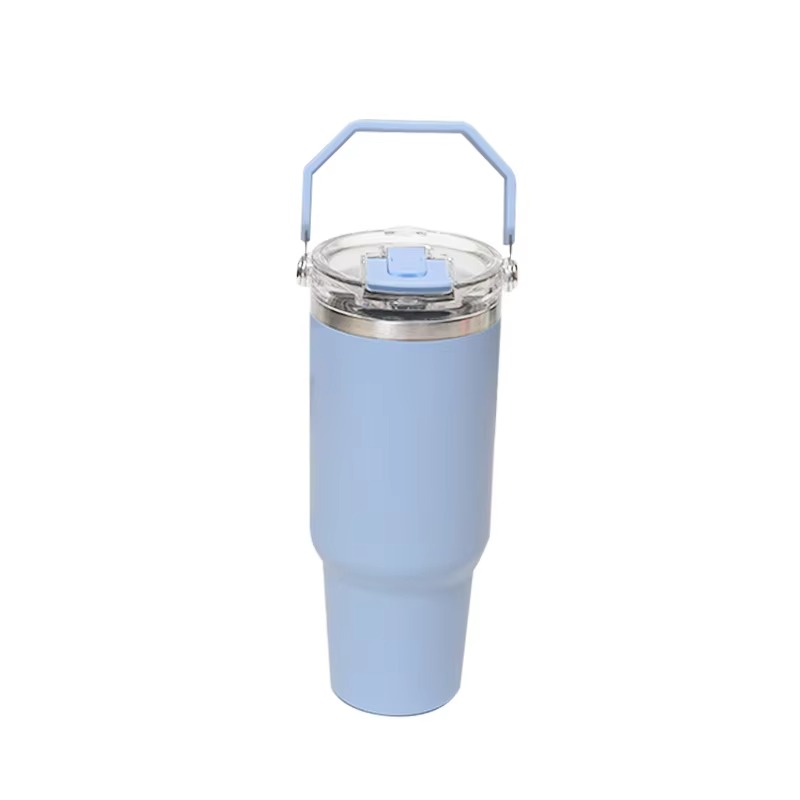
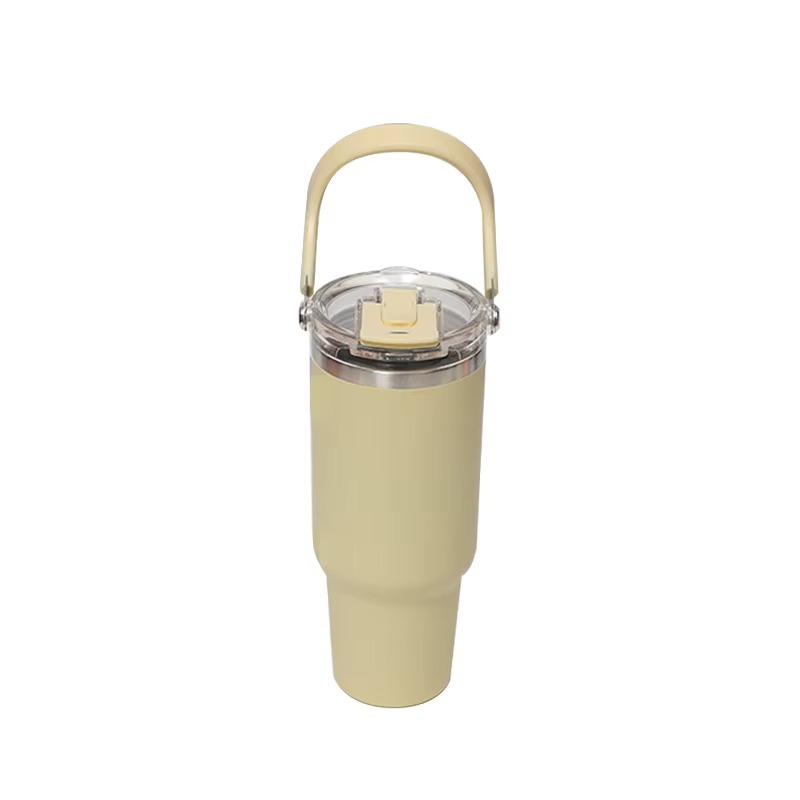
For many years, the capacity of a metal thermal water bottle was often treated as a simple specification listed on a product page.
That approach is gradually changing.
Retailers have noticed that customers rarely compare capacity by themselves. Instead, they ask practical questions. Will the bottle fit into a backpack pocket? Can it sit securely in a vehicle cup holder? Is it convenient to carry during a full day away from home?
Those questions have encouraged product teams to evaluate dimensions before adding new models to their collections.
As a result, metal thermal water bottle development is increasingly centered on how a product fits into everyday routines instead of relying only on technical performance figures.
Another category frequently appearing in product planning is vacuum-insulated bottles, especially for collections designed around commuting and travel.
A Single Size Cannot Meet Every Situation.
Bottle preferences often change with the activity rather than the season.
Someone working in an office may refill a compact bottle several times during the day because filtered water is always nearby. A person spending hours on a hiking trail usually makes a different choice, preferring a larger container that reduces the need to stop for refills.
Families also purchase bottles for different reasons. Parents often select moderate capacities for school bags, while sports clubs may request larger models for training sessions.
Because these situations vary so much, manufacturers have gradually expanded size options instead of promoting one universal solution.
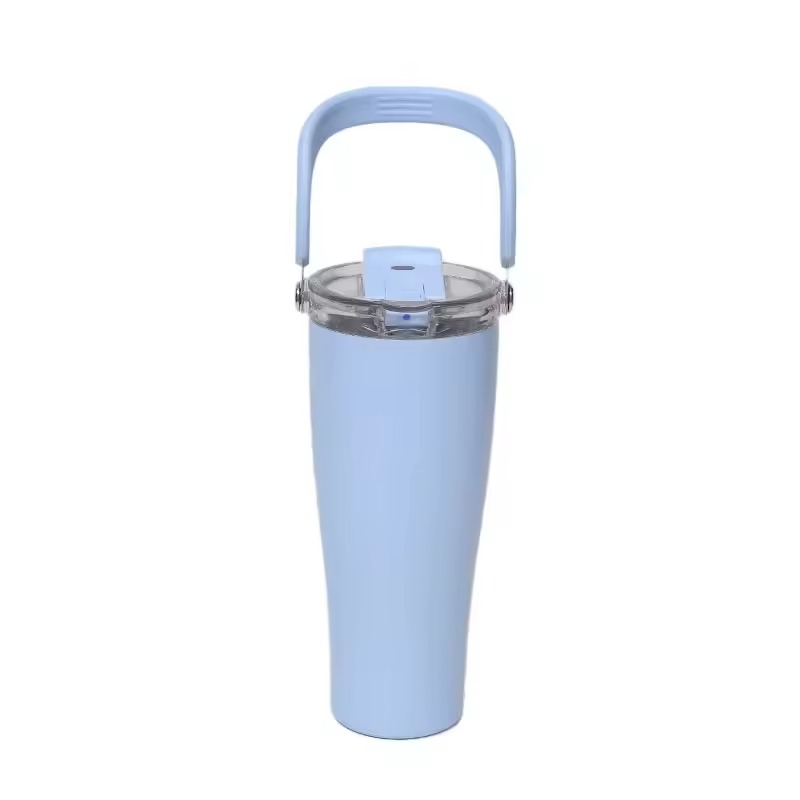
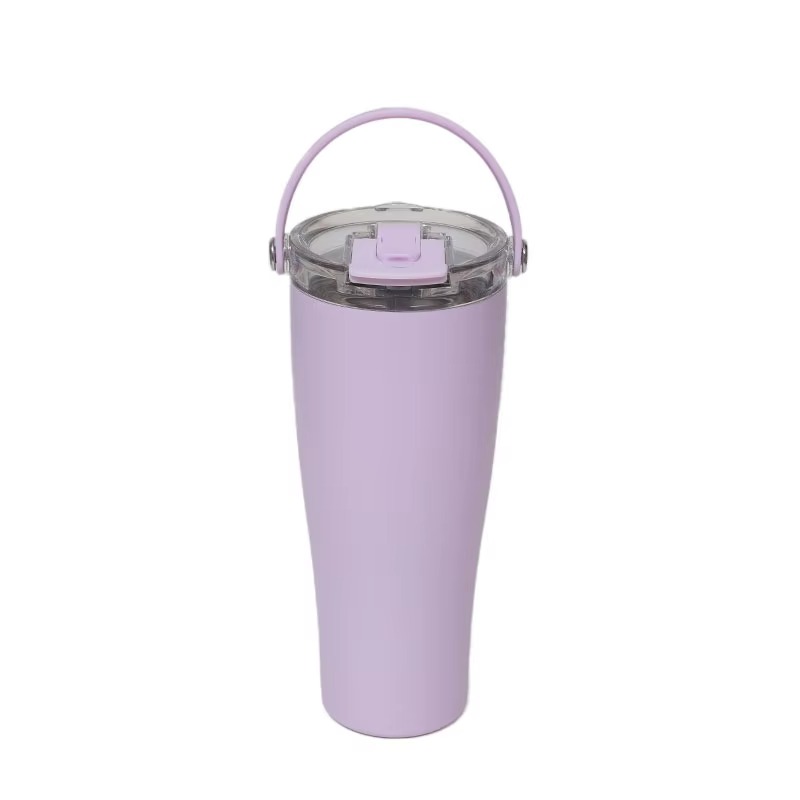
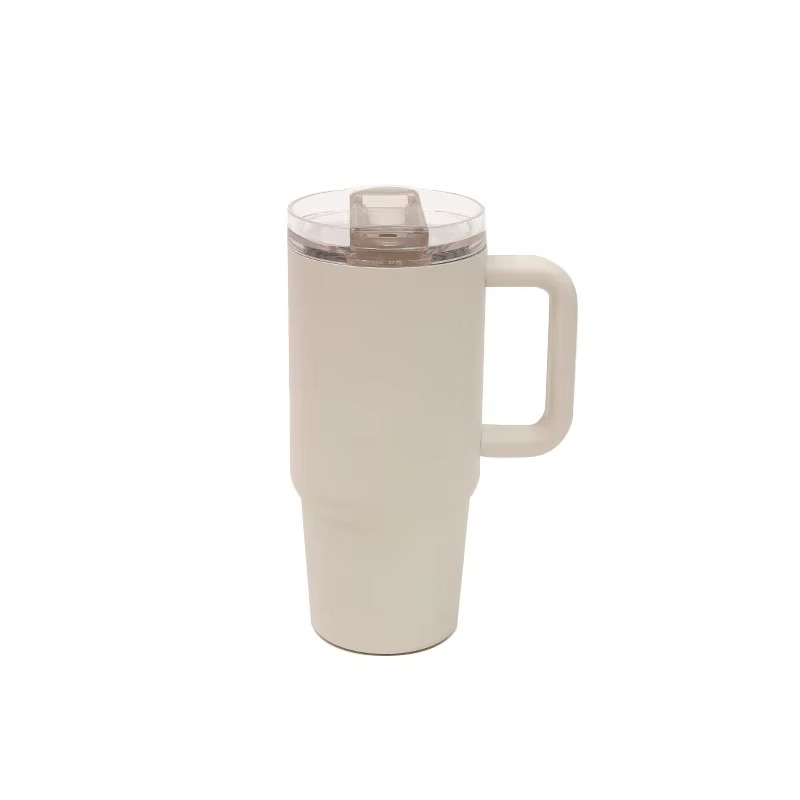
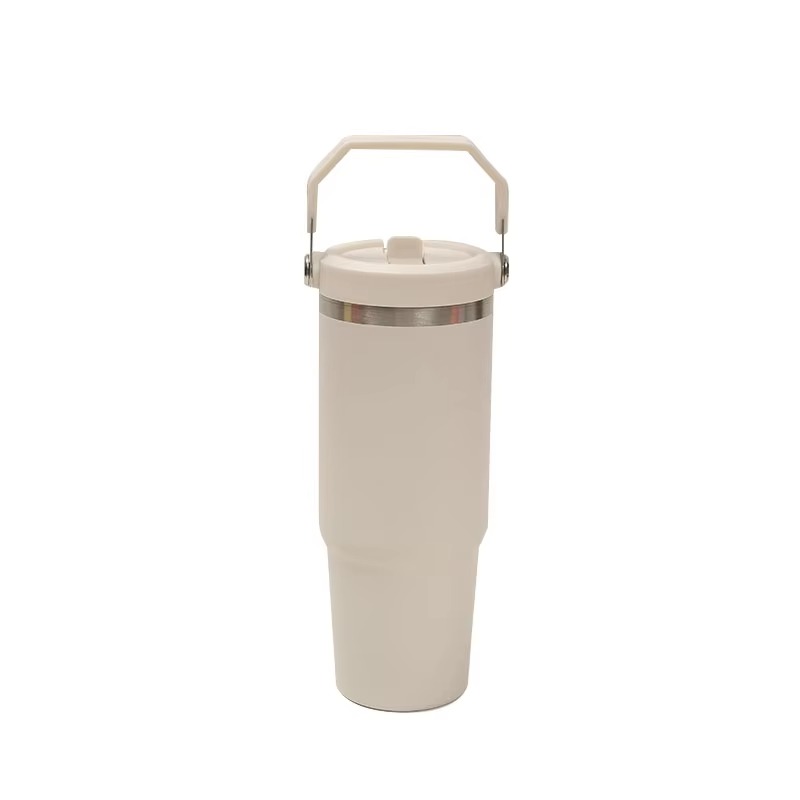
In those product ranges, metal thermal water bottle models are commonly grouped according to everyday use rather than simply by volume.
Transport Matters More Than Many People Realize
A bottle travels almost as much as its owner.
It may spend the morning in a backpack, move to a desk during working hours, and later end up beside gym equipment or inside a vehicle. Every change of location places slightly different demands on its design.
Weight distribution, exterior shape, and lid construction all influence how comfortably the bottle can be carried throughout the day.
Several product developers have explained that customer feedback often focuses on these small details instead of insulation time. Users remember whether a bottle fits easily into daily routines long before they remember laboratory test results.
For that reason, metal thermal water bottle designs are increasingly evaluated through practical handling instead of promotional specifications.
Refilling Has Become Part Of Everyday Use
Reusable bottles are rarely filled only once.
Many people refill them several times between morning and evening, whether at the office, in a university building, at a sports facility, or while travelling.
That repeated routine has changed how some manufacturers approach product design.
A wider opening may shorten refill time. Rounded interior edges can simplify cleaning after flavored drinks. Exterior finishes are also selected with repeated handling in mind, particularly for products expected to remain in daily use over long periods.
Alongside these developments, vacuum-insulated bottles continue to appear in collections aimed at users who alternate between hot and cold beverages throughout the day.
Everyday Wear Tells A Different Story
A product looks different after months of regular use than it does on the day it leaves the factory.
Bottle makers understand this well.
Instead of introducing entirely new collections every year, some manufacturers now make small adjustments based on customer service records and long-term user feedback.
Those refinements may not be obvious at first glance, but they often improve the overall experience without changing the familiar appearance of a metal thermal water bottle.
Product Design Is Becoming More Experience-Driven
Product development rarely follows a perfectly straight path.
Sometimes a modification begins with a warranty report. In other cases, it starts with comments collected after an outdoor event or from retailers explaining which bottle sizes customers ask for most often.
Over time, those observations build a clearer picture of how reusable drinkware is actually used instead of how designers originally imagined it.
That practical perspective continues to shape new collections. Rather than introducing dramatic visual changes, manufacturers are refining proportions, improving portability, and simplifying everyday handling wherever possible.
 Previous