 search
 English
 English
 Español
 русский
Industrial News
Frosted plastic drinking glasses are no longer discussed only as an alternative to glass. Over the past year, they have quietly become part of a wider conversation among distributors, restaurant operators, and purchasing managers who are trying to balance operating costs with customer expectations. At several hospitality exhibitions, conversations around reusable drinkware lasted noticeably longer than they did a few years ago. The questions sounded different as well. Buyers wanted to know how products looked after months of commercial use, not simply what they cost on the day they were ordered.
Buyers Are Asking Different Questions
That change did not happen overnight.
Restaurants, cafés, hotels, and catering companies have all experienced rising operating costs. Replacing damaged drinkware more often than expected may seem like a small issue, but over time it affects purchasing budgets. Many operators have therefore started reviewing products based on service life instead of focusing only on the purchase price.
A distributor who works with independent restaurants described the situation in a simple way: customers now compare products the same way they compare kitchen equipment. They want fewer replacements, stable quality, and dependable supply. Appearance still matters, but it is only one part of the decision.
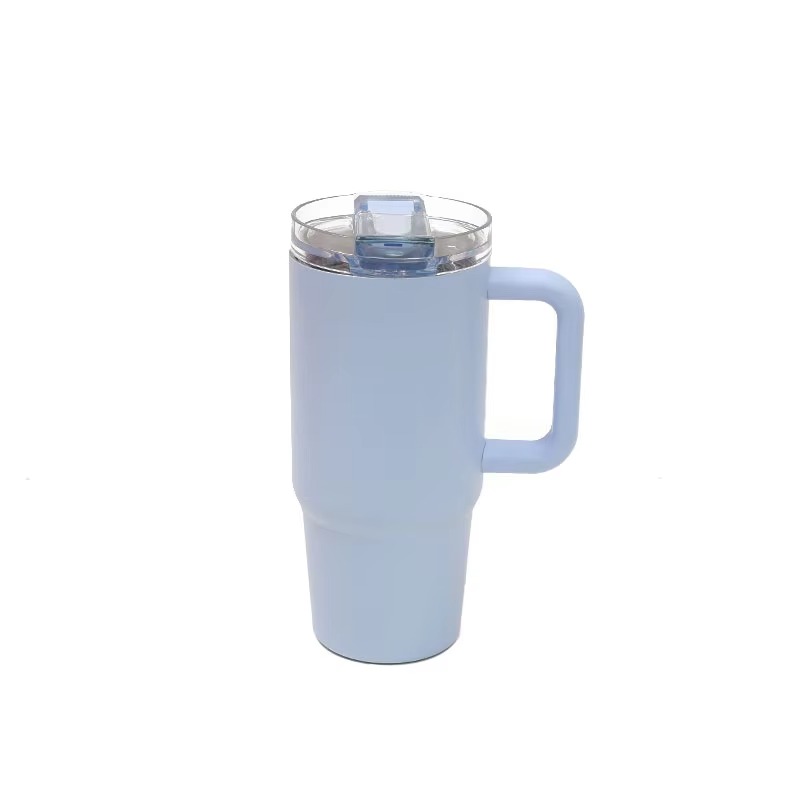
As those conversations continue, frosted plastic drinking glasses are appearing more frequently on quotation lists prepared for commercial buyers. Interest in reusable beverage cups has also increased because businesses are looking for products that can support long-term use without changing the overall dining experience.
Small Details Often Matter More Than Expected
Walk into a busy restaurant during lunch, and very few guests will stop to think about the cup on the table.
Even so, they notice it.
A scratched surface, a cloudy finish, or visible wear leaves a subtle impression. Staff members notice something else entirely. They care about storage, handling, and whether products survive repeated washing without creating extra work.
That is one reason many buyers have begun comparing frosted plastic drinking glasses with other reusable options instead of treating every plastic cup as essentially the same. In practice, those small differences become easier to notice after months of daily use rather than during a quick product demonstration.
What Purchasing Teams Usually Compare
No two businesses buy drinkware for exactly the same reason, yet similar evaluation standards appear across much of the hospitality market.
|
Consideration |
Frosted Plastic |
Standard Clear Plastic |
Glass |
|
Overall Weight |
Light |
Light |
Heavy |
|
Break Resistance |
High |
High |
Lower |
|
Surface Wear Visibility |
Lower |
Higher |
Moderate |
|
Outdoor Service |
Suitable |
Suitable |
Less Suitable |
|
Transportation Efficiency |
High |
High |
Lower |
|
Branding Flexibility |
Good |
Good |
Limited |
Interestingly, purchasing managers rarely rely on a single specification. They usually compare maintenance costs, replacement frequency, storage efficiency, and customer feedback before making larger purchasing decisions.
Manufacturers Have Started Responding
Factories noticed these changing expectations earlier than many people expected.
Some expanded customization services. Others invested in more consistent molding technology or improved quality inspections. None of those changes generated dramatic headlines, yet together they reflected how the market has gradually shifted.
Several suppliers also report that customers ask more technical questions than before. Instead of requesting only colors or logo printing, buyers often discuss production consistency, food-contact compliance, packaging methods, and shipping efficiency.
That tells its own story.
Rather than chasing short-term trends, businesses appear more interested in reliable products that remain suitable over time. Within that broader movement, frosted plastic drinking glasses continue attracting attention because they fit a variety of commercial settings without requiring significant operational changes.
Demand for reusable beverage cups is following a similar pattern as restaurants and distributors place greater value on products designed for repeated use.
Not Every Market Is Moving At The Same Speed
Of course, buying habits are never identical everywhere.
A family-owned café and an international hotel group will evaluate products differently. Seasonal event organizers may prioritize transportation weight, while schools often focus on durability and simple maintenance. Retail brands usually pay closer attention to shelf presentation and packaging.
Even with those differences, one trend appears repeatedly across trade events and supplier discussions. Buyers are spending more time comparing practical performance than they did several years ago.
That shift is subtle.
But it is real.
Looking Ahead
No one can predict exactly how the reusable drinkware market will develop over the next few years. Consumer preferences change, regulations evolve, and purchasing priorities rarely remain fixed for long.
Even so, suppliers expect commercial buyers to continue asking detailed questions before placing larger orders. Stable production, consistent quality, and dependable delivery are becoming part of the purchasing conversation rather than optional advantages.
Against that background, frosted plastic drinking glasses are gradually moving beyond the role of ordinary beverage containers. They have become part of broader discussions about operational efficiency, brand presentation, and long-term value. Whether the customer is a neighborhood café, a hotel chain, or a promotional distributor, frosted plastic drinking glasses are increasingly being evaluated through everyday performance instead of short-term pricing alone. That continuing change helps explain why frosted plastic drinking glasses remain firmly on the radar of commercial buyers across multiple sectors.
 Previous