 search
 English
 English
 Español
 русский
Industrial News
Think about using a plastic mug at a cafe or in your office. Sometimes the handle is too thin. Your fingers get tired. Sometimes the edge feels sharp. It is uncomfortable. If the angle is wrong, you might spill your drink. A bad handle can make the cup hard to hold. It can even slip from your hand.
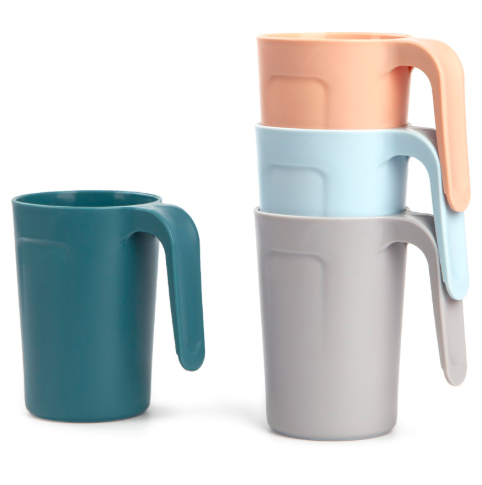
In making plastic mugs, the handle is often seen as just an extra part. But its design matters a lot. It affects comfort, safety, and how people feel about the brand. So, how can we design better handles? How can we use science about the human body to make a handle that feels good?
A great handle design is not just about looks. It starts with understanding the hand. It must balance materials, how it is made, and the user's experience. This article explains four key ideas for designing plastic mug handles. We will connect these ideas to how things are actually made in a factory.
Part One: Understanding the Hand – The User's Tool
Design must fit the human body. We must design for the hand.
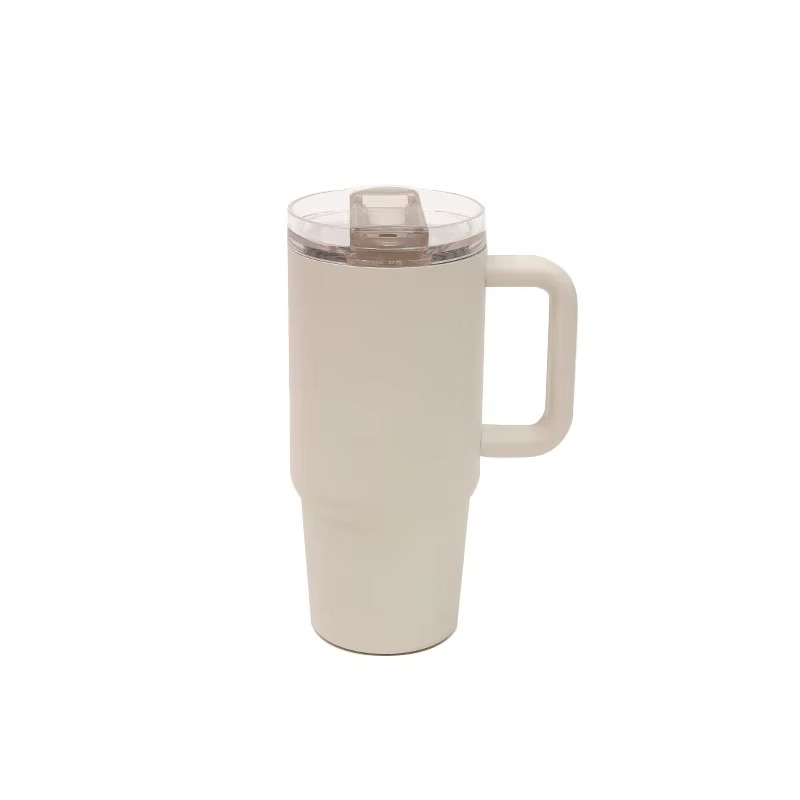
First, look at hand sizes. People have different sized hands. A woman with small hands needs a different grip than a man with large hands. Good design tries to fit most people. The inside space of a handle should be wide enough for big fingers but not too wide for small hands. A common comfortable range is about 32 to 45 millimeters across.
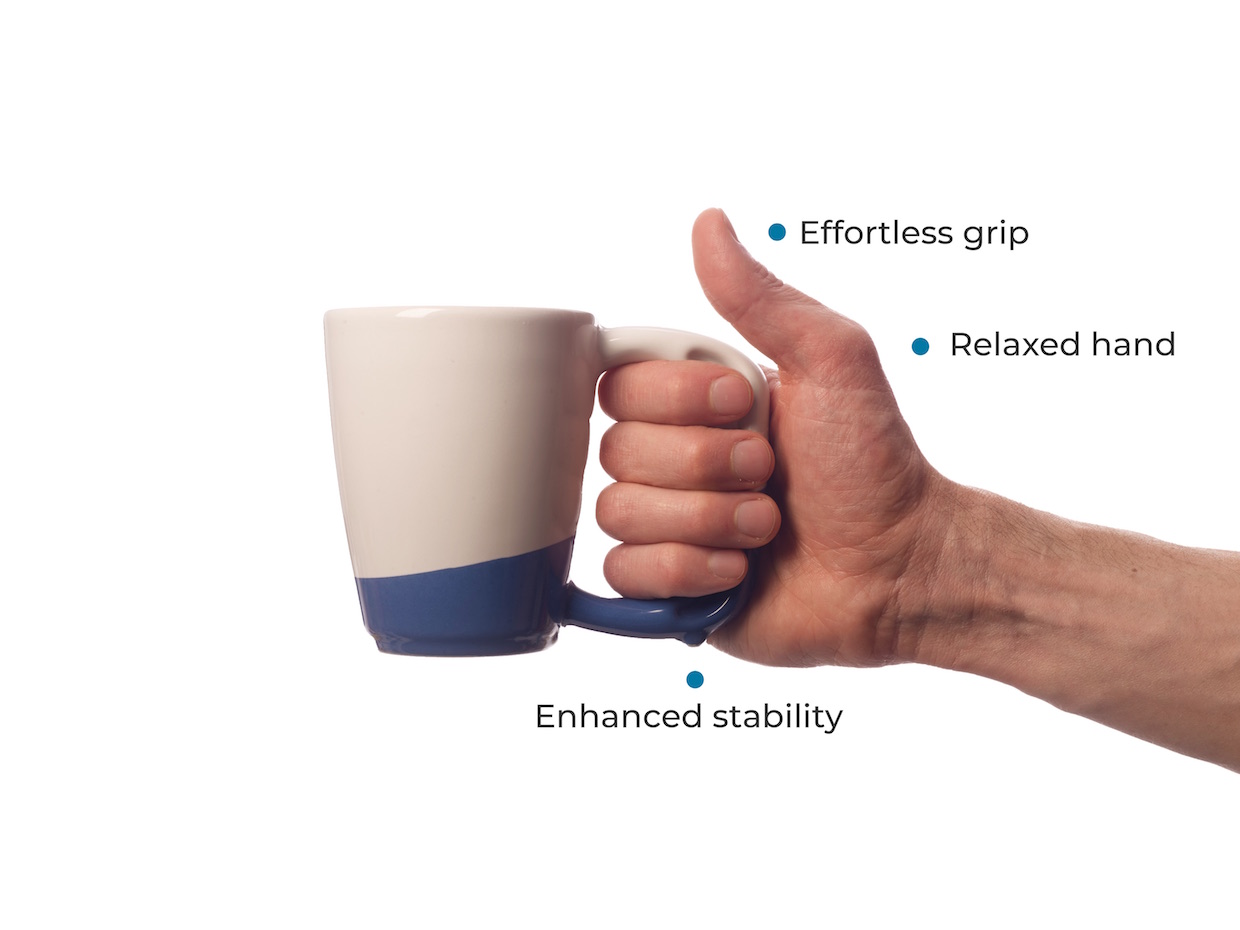
Look at how fingers bend. When you grip a handle, your fingers curl. The handle should have gentle curves where your fingers go. These curves should not press on your joints. They should spread the pressure across the softer parts of your fingers and palm.
People hold mugs in different ways. Sometimes you use a power grip. You wrap all your fingers around the handle to lift a full, heavy mug. The handle needs to be strong and not slippery for this. Sometimes you use a precision grip. You hold it with your fingertips to take a sip. The top of the handle should be shaped for this. Sometimes you just hook one finger through the handle to carry it. The top needs a smooth, rounded shape that won't dig into your skin.
The goal is to spread out the pressure. A good handle shape puts pressure on the muscular parts of your palm, not on the bones.
The Science of Force and Comfort
A good handle makes the work of holding easy. It should feel stable and not make your hand tired.
Think about lifting a full mug. Your hand is a lever. The weight of the mug pulls down. Your wrist works to hold it up. A well-designed handle can help. Where the handle connects to the mug is important. The angle of the handle also matters. The right connection point and angle make the mug feel balanced. Pouring becomes easier and more controlled.
Stopping slips is critical. A wet hand or a hand with soap on it can lose grip. The handle surface needs texture. This can be small bumps or ridges. Texture gives friction. But the texture must also be easy to clean. It should feel good, not rough or sharp.
The shape of the handle cross-section matters too. A perfectly round handle can twist in your hand. A handle with a flat side or an oval shape is better. It gives your hand a reference point. It stops the mug from spinning when you hold it.
Long-term comfort is key. All edges must be smooth and rounded. No part should feel like a sharp corner. This is true for the inside of the handle where your fingers go. For a hot drink mug, the handle material should not conduct heat too well. A thick plastic handle helps keep the heat in the drink, not in your hand.
Making the Design Real – Materials and Manufacturing
A perfect design on paper is useless if you cannot make it in a factory. Design must work with the production process.
First, choose the plastic material. Common materials are PP (polypropylene) or Tritan. These materials are strong and light. They feel a certain way. Some can be coated with a soft rubbery layer for extra grip. The material decides how thick the handle walls need to be to be strong enough.
Making handles usually involves injection molding. This process has rules that affect design.
One rule is draft angle. The mold must open to remove the finished part. So, the inside of the handle must be slightly tapered. It cannot have undercuts where plastic would get stuck. This rule can conflict with the ideal ergonomic shape. Designers must find a balance.
Another rule is uniform wall thickness. The plastic must flow evenly and cool evenly. If one part of the handle is very thick and another is very thin, problems happen. The part might warp or have weak spots. Good design keeps the thickness as even as possible.
Handles need to be strong. Designers often add ribs inside the handle. These are thin supporting walls. They make the handle stiff without using lots of extra material.
The handle must connect to the mug body strongly. This connection point is under stress. It must be designed carefully. A smooth, thick transition from the handle into the mug wall is better than a sharp, thin connection. This prevents the handle from breaking off.
Thinking About Different Users and Situations
A good design works for many people in many places.
Think about different uses. In a car, you need to grab the mug from a cup holder quickly. The handle shape should allow an easy, one-handed lift. If you are walking and drinking, the handle should feel very secure. The mug should not swing around too much. The position of the handle should also line up with the drinking spout on the lid.
Think about different users. Children need smaller handles with very smooth edges. Older adults or people with less hand strength might need a thicker, fuller handle that is easier to grasp. For people with arthritis, the goal is to spread the pressure over the largest area. This reduces pain.
The best way to test a handle is to make a sample. With modern tools like 3D printing, factories can make a prototype handle quickly. They can give it to people to hold. They can get feedback and change the design before making the expensive steel mold. This testing and iteration is very valuable.
In a crowded market, small details make a big difference. A comfortable handle does not shout for attention. But every time someone uses the mug, they feel that comfort. It tells them the brand cares about quality. It turns a simple plastic mug into a preferred product.
Turning ideas about the human hand into a real, mass-produced part is a special skill. It requires knowledge of both design and factory processes.
At XIAOYU, this skill is at our core. Our design process starts with the user. We study how people hold cups. We make many samples and test them. We understand the rules of injection molding. For every plastic mug we make, we treat the handle as a critical part. Its comfort is as important as its strength or its look. Whether we are making a simple promotional cup or a premium travel mug, we apply these ergonomic principles.
Does your brand want to improve its drinkware with better, more comfortable handles? Talk to the XIAOYU design and engineering team. Let us show you how thoughtful handle design can become a real advantage for your products and your customers.
 Previous