 search
 English
 English
 Español
 русский
Industrial News
In kitchens, offices, campsites, and stadiums worldwide, one item maintains a quiet yet ubiquitous presence: the plastic mug. This seemingly simple vessel, often taken for granted, is undergoing a significant transformation, driven by material innovation, environmental awareness, and evolving consumer habits. Its story is no longer just about convenience but reflects broader societal shifts toward sustainability and design-conscious utility.
For decades, the classic plastic mug has been a staple due to its fundamental advantages. Its lightweight nature, durability, and resistance to breakage made it a preferred choice for both domestic use and outdoor activities. The material’s inherent insulation properties, especially when constructed with double-wall designs, allow it to effectively keep beverages hot or cold. Furthermore, the low cost of production and the ease of molding plastic into various shapes, sizes, and colors facilitated mass production and widespread accessibility. From promotional giveaways to practical household items, the plastic mug secured its place as an affordable and functional object.
However, the environmental impact of single-use plastics has cast a long shadow over all plastic products, including durable goods like mugs. In response, the industry has pivoted sharply toward more sustainable material solutions. Today’s plastic mug is increasingly likely to be made from advanced, recycled materials. The use of post-consumer recycled (PCR) plastic is growing, giving a second life to discarded materials and reducing reliance on virgin resins. Biopolymers derived from sources like corn starch or sugarcane are also entering the market, offering a potentially lower-carbon footprint alternative. This shift is not just about the material’s origin but also its end-of-life; manufacturers are now more focused on creating plastic mugs that are fully recyclable within existing streams, promoting a circular economy model.
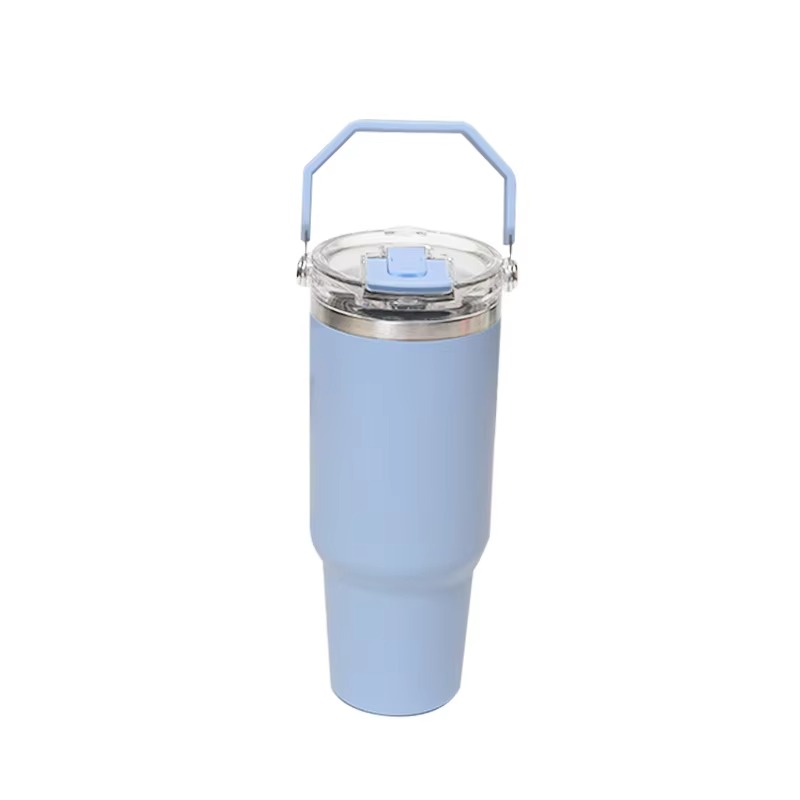
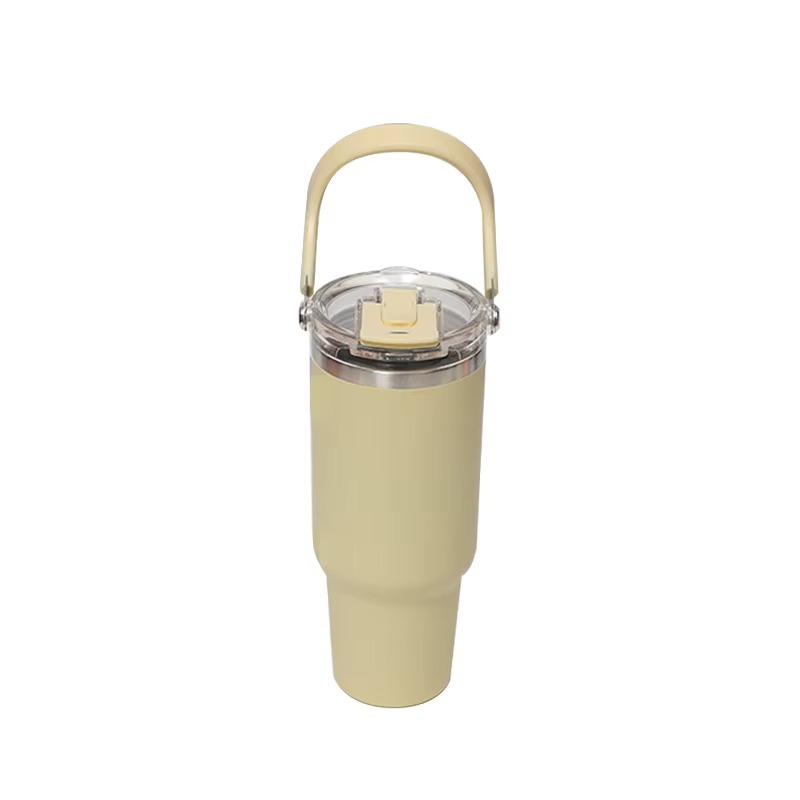
Simultaneously, the design and functionality of the plastic mug have become more sophisticated. Modern versions often feature ergonomic grips, spill-resistant lids, and integrated strainers for loose-leaf tea. The aesthetic dimension has also expanded, with designs ranging from smallist and sleek to brightly patterned, catering to personal style as much as practical need. The plastic mug has evolved from a generic container into a personalized accessory. In professional settings, branded plastic mugs serve as durable, long-term ambassadors for organizations, replacing disposable cups and reducing waste.
The market for reusable drinkware, where the plastic mug is a key player, continues to expand. This growth is fueled by a collective move away from single-use items and a cultural emphasis on hydration and portable convenience. Consumers are seeking products that align with an active, on-the-go lifestyle without compromising their environmental values. A well-designed plastic mug meets this need by being lightweight for commuting, robust enough for travel, and capable of maintaining beverage temperature for extended periods.
The trajectory of the plastic mug points toward continued innovation. Research is focused on enhancing the material properties—making them even more durable, improving insulation performance, and ensuring absolute safety for food contact. The integration of smart technology, such as temperature indicators or hydration tracking, could represent the next frontier for this humble item. The core challenge and opportunity lie in superbly balancing functionality, aesthetic appeal, and environmental responsibility. The future plastic mug will likely be a product where sustainability is not an added feature but a foundational principle, crafted from next-generation materials without sacrificing the utility and convenience that made it popular. As it adapts, the plastic mug will continue to hold its place, not merely as a container, but as a reflection of our changing priorities and technological capabilities.
 Previous