 search
 English
 English
 Español
 русский
Industrial News
Every summer, the same situation plays out in parking lots around the world.
A driver returns to the vehicle after several hours in the sun. The steering wheel feels hot. The seat surface has warmed up noticeably. Sitting in the cup holder is a car tumbler cup that has been exposed to those conditions the entire afternoon.
At that moment, many people wonder about the same thing:
"Is it still safe to use?"
The question is understandable because temperatures inside parked vehicles can become much higher than outdoor temperatures. Yet the answer often depends less on the weather itself and more on the materials used to make the cup.
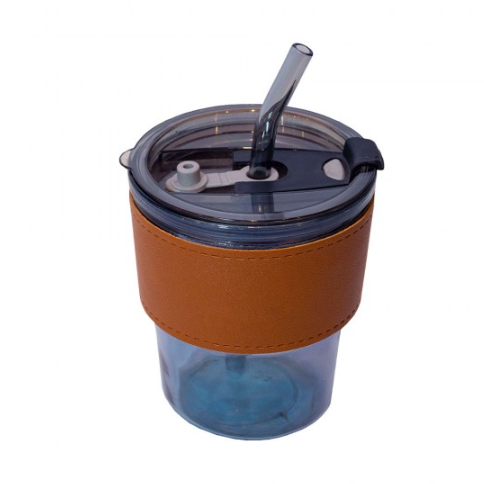
A parked car is a different environment
People are often surprised by how much heat can build up inside a closed vehicle.
A bottle sitting on a kitchen table and a car tumbler cup sitting inside a parked car may experience very different conditions, even on the same day.
Direct sunlight, limited airflow, and enclosed spaces can all contribute to higher temperatures.
That doesn't automatically mean the cup becomes unsafe. It simply means the environment is more demanding than many everyday indoor situations.
Material selection matters more than appearance
Two cups can look widely identical from the outside while being made from different materials.
This is one reason manufacturers pay close attention to material selection during product development.
A car tumbler cup may be produced using stainless steel, food-contact plastics, or combinations of multiple materials depending on the design.
The material itself often plays a larger role in heat resistance than the color, shape, or printed pattern visible on the exterior.
Why stainless steel remains common
One reason stainless steel continues to appear in drinkware products is its stability in a wide range of daily-use environments.
Many consumers choose a stainless steel car tumbler cup not because they expect it to sit in significant heat, but because the material is already familiar and widely used in food-contact applications.
Of course, even stainless steel products may include lids, seals, handles, or decorative parts made from other materials.
That is why manufacturers evaluate the complete product rather than focusing on only one component.
Not all parts experience heat the same way
An interesting detail is that different areas of the same cup may experience different conditions.
For example:
the side facing direct sunlight
the lid is exposed near the windshield
the body sitting inside a shaded cup holder
decorative accessories attached to the cup
Because of this, product design involves more than simply selecting a single heat-resistant material.
The discussion is often about durability
When consumers ask whether a car tumbler cup is safe after summer exposure, they are sometimes asking two different questions at once.
The primary question concerns safety.
The second concerns long-term appearance and durability.
A product may remain usable while still showing signs of aging after years of repeated exposure to sunlight and elevated temperatures.
This distinction is important because appearance changes and material safety are not always the same issue.
Why manufacturers conduct temperature-related testing
Products intended for everyday beverage use are generally expected to encounter changing environmental conditions.
As a result, manufacturers often evaluate factors such as:
material stability
lid performance
sealing components
structural durability
long-term use conditions
The goal is not to design around a single hot afternoon, but around repeated daily use over time.
A realistic way to think about summer exposure
A car tumbler cup is designed to be used in vehicles, so occasional exposure to warm conditions is part of normal life.
At the same time, leaving any consumer product in significant environments for extended periods may affect its appearance, seals, or service life over time.
That is why many users choose simple habits such as taking the cup indoors when possible or avoiding unnecessary long-term storage under direct sunlight.
The material usually tells the bigger story
When evaluating a car tumbler cup, the discussion often returns to materials rather than temperature alone.
Two products may spend the same afternoon in the same vehicle yet perform differently because of differences in construction, material quality, and overall design.
For consumers, that is often the more useful takeaway. Summer heat is only part of the equation. Understanding what the cup is made from—and how it was designed to be used—usually provides a clearer picture than temperature alone.
 Previous