 search
 English
 English
 Español
 русский
Industrial News
A well-made insulated container is expected to do one thing consistently: hold a drink in a steady condition for a long stretch of daily use. That expectation sounds simple, but the result depends on several connected details, including wall structure, sealing quality, capacity, and how the container is handled during the day. In a Large Metal Thermos, those details work together rather than separately.
People often judge performance by a single moment, such as how warm a drink feels after a few hours. In practice, the real picture is broader. Heat shifts slowly, air movement changes after each opening, and the container itself responds to the surrounding environment. That is why a product in this category is often discussed not only by appearance, but also by how it behaves in real use.
How Vacuum Insulation Structure Inside a Large Metal Thermos Reduces Heat Loss Over Time
The inner structure is the part that does much of the quiet work. When two layers are arranged with a sealed space between them, heat has fewer paths to move outward. That reduced movement is the reason temperature changes more slowly than it would in a simple container.
| Design area | Effect on daily use | Practical result |
|---|---|---|
| Layer separation | Limits direct heat flow | Drink temperature changes more slowly |
| Sealed space | Reduces air movement | Interior condition stays steadier |
| Outer shell | Helps protect the structure | Better resistance during transport |
| Inner wall | Holds the liquid directly | Cleaner contact with drinks |
The user does not normally see these layers working, but their influence is felt each time hot water stays warm longer than expected or cold water remains pleasant during a commute. In industry discussions, this part of the structure often receives attention because it is the base layer of performance rather than a surface feature.
How Stainless Steel Inner Wall Selection Affects Taste Stability and Long Term Use Experience
The inner wall is the part that touches the drink every time the container is used, so its surface behavior matters. A smoother and more stable interior can support a cleaner drinking experience, while a rough or unstable surface may make residue easier to keep.
Taste consistency is not only about the liquid itself. It is also shaped by how the inner wall interacts with tea, coffee, water, or other common drinks. When the inside surface holds less residue, the flavor tends to stay closer to what the user expects. That is one reason material choice is closely linked to repeat use.
- A cleaner inner surface can make rinsing easier.
- A stable interior can reduce lingering odors.
- A durable wall can support longer use without visible wear.
- A smoother finish may help the container feel easier to maintain.
For a Large Metal Thermos, the inner wall is not just a hidden layer. It affects the way the product feels after repeated use, especially for customers who rely on it every day and do not want a change in taste from one use to the next.
What Happens Inside a Large Metal Thermos When Hot and Cold Liquids Are Used in Different Conditions
The interior environment changes depending on what is poured in and how the container is used afterward. Hot liquid brings warmth into the inner space, while cold liquid shifts the balance in the opposite direction. In both cases, the drink, the wall, and the air inside the container interact with one another.
If the container has been sitting unused for a while, the first liquid placed inside has a stronger effect on the internal condition. If it is opened often, the inside changes more quickly because outside air enters and mixes with the internal space. That means the same product can feel different across different routines.
Some common usage patterns create different outcomes:
- A preheated container may hold warmth in a steadier way.
- A chilled container may help cold drinks stay more comfortable for longer use.
- Frequent opening can shorten the stable period.
- Full filling and partial filling can lead to different internal conditions.
These differences matter because customers rarely use the product in a controlled setting. A Large Metal Thermos is usually used on a desk, in a car, in a bag, or during travel, so the real question is not only what it can do in theory, but how it behaves across ordinary habits.
Why Large Capacity Design Can Influence Heat Retention Behavior in a Metal Thermos
Capacity changes more than volume. It also changes how the inside space interacts with the liquid and the surrounding air. A larger fill level can reduce the amount of unused air inside, which can influence how quickly the internal temperature shifts after opening.
A larger container may feel steadier in some situations because the stored liquid itself carries more thermal presence. At the same time, size can also affect weight, handling, and how often the product is opened. Those practical factors can shape the user experience just as much as the internal structure.
| Capacity condition | Common use pattern | Expected user impression |
|---|---|---|
| Full fill | Long outing or shared use | Steadier internal condition |
| Partial fill | Short commute or light use | More change after opening |
| Repeated refills | Busy daily routine | Convenience matters more |
| Long hold time | Less frequent opening | More stable drinking experience |
A Large Metal Thermos is often chosen because users want a container that supports longer use without constant refilling. Still, the result depends on more than size alone. Shape, lid design, filling habits, and opening frequency all work together with capacity to shape the final experience.
How Lid and Seal Structure Affects Leak Resistance and Everyday Carry Convenience
After the inner wall and capacity shape the internal condition, the next point is the part people touch most often. The lid and seal decide how the container behaves in motion. A container may hold temperature well, yet still feel inconvenient if the closure is difficult to open, hard to clean, or uncertain during transport.
A practical lid design usually does more than close the opening. It supports a steady seal, helps keep liquid in place during carrying, and makes repeated use less awkward. Small differences in the closing mechanism can change the daily experience in a noticeable way. A loose fit may create worry during travel, while an overly tight lid may make use feel inconvenient.
For a Large Metal Thermos, leak resistance is not only a safety point. It also shapes whether the product feels dependable in a bag, in a car, or on a desk. That is why users often pay attention to the way the cap turns, the way the seal sits, and how the lid behaves after repeated opening and closing.
The following points often matter in real use:
- A tight seal can reduce the chance of spills during movement.
- A smooth opening motion can support repeated daily use.
- A lid that is easy to clean can help maintain a fresh interior.
- A stable closure can make transport feel less risky.
When these parts are designed with care, the container feels more ready for ordinary routines rather than only for a controlled setting.
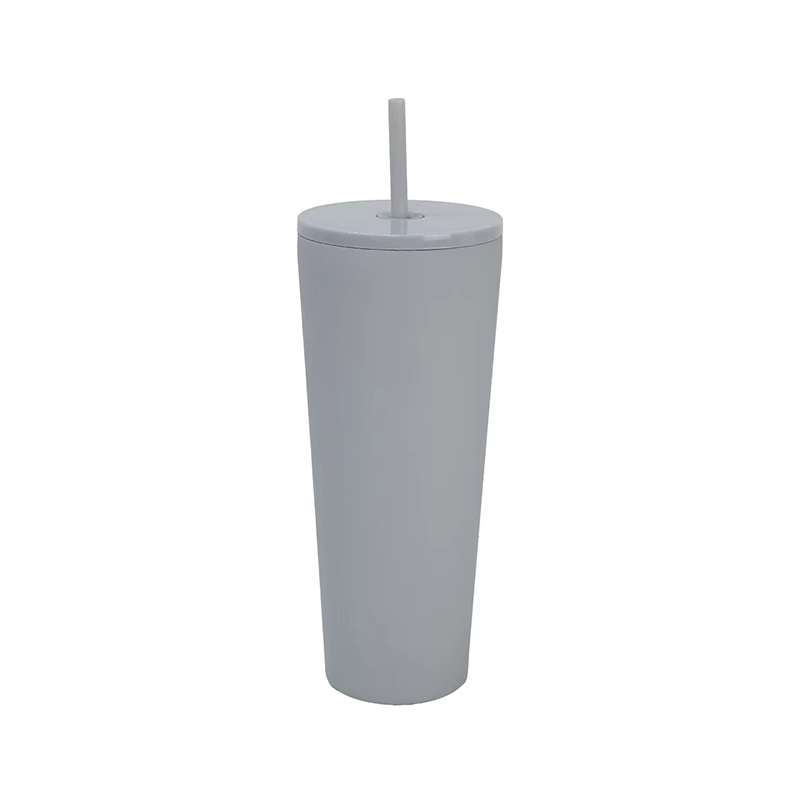
Why Temperature Drop Speed in a Large Metal Thermos Changes With Usage Frequency and Opening Times
Temperature does not stay still once the container enters daily life. Each opening gives outside air a path inward, and each pause in use allows the drink and the container to adjust to the room around them. The more often this happens, the more quickly the internal condition can shift.
This is one reason two people using the same product may describe it differently. One person may open it only a few times across the day, while another may sip from it often. The product is the same, but the pattern of use is not. In practice, that difference can be more important than the appearance of the container.
A Large Metal Thermos behaves like a closed system that becomes open for brief moments. Those moments matter. Frequent opening breaks the internal balance, and the drink gradually becomes more affected by the surrounding air. The result is not sudden, but it is steady enough for users to notice.
A few common patterns shape the pace of change:
- Fewer openings usually support a more stable drink condition.
- Longer gaps between uses may slow the rate of change.
- Repeated opening during short periods can speed up temperature loss.
- Holding the lid open for too long can have a clear effect on the interior.
This is why usage habit is part of product performance. The physical structure matters, but the way the product is handled also shapes the final result.
How Cleaning and Maintenance Habits Influence Long Term Performance of a Large Metal Thermos
Daily performance is tied to care over time. Even a well-made container can feel less reliable if it is not cleaned in a regular and sensible way. Residue from drinks, moisture left inside after use, and neglected seals can all affect the way the product feels in later use.
Cleaning is not only about appearance. It also supports taste stability and helps the interior stay more comfortable for repeated use. A container that is rinsed and dried with care is less likely to hold unwanted smell or feel sticky inside. The user experience becomes more consistent when the interior is kept in a steady condition.
Maintenance also extends to the lid area, the seal, and the connection points that are often overlooked. These areas can gather residue more easily than the wide inner chamber. If they are ignored, the closure may feel less smooth or less secure over time. That is especially relevant in a Large Metal Thermos, where users often expect regular performance through long periods of use.
A simple routine can make a meaningful difference:
- Rinse soon after use, rather than leaving liquid inside.
- Let the inside dry fully before storage.
- Check the seal area for residue or trapped moisture.
- Keep the lid parts clean so the closing motion stays steady.
Care habits do not change the product overnight, but they shape how it behaves after repeated use. In that sense, maintenance is part of the product story, not just an afterthought.
What Daily Use Patterns Reveal About the Real Value of a Large Metal Thermos
Once the product is in regular use, the full picture becomes clearer. Temperature holding, sealing, material choice, capacity, and care habits all work together instead of standing apart. The value of the container is shown less by a single feature and more by how well the parts support one another in ordinary routines.
A Large Metal Thermos is often part of commuting, work, travel, or shared family use. In those settings, people are not watching the product closely. They only notice whether the drink stays comfortable, whether the lid feels easy to handle, and whether the container remains clean enough for regular use. That quiet reliability is often what shapes a positive impression.
When the structure is balanced and the use pattern is reasonable, the product feels natural to carry and simple to trust. When one part falls behind, the whole experience becomes less steady. That is why each layer of the design matters, even when it is not visible during use.
 Previous