 search
 English
 English
 Español
 русский
Industrial News
Home / News / Industrial News / Why Choose Acrylic Cups with Straw for Daily Drink Use and Care Tips
In everyday drinkware, Acrylic Cups with Straw often come up because they fit a simple routine without asking for much adjustment. People use them for water, chilled drinks, desk use, and casual carry. The interest is not only in appearance. It is also about whether the cup feels easy to hold, easy to clean, and steady in regular use. For manufacturers, that makes the topic practical rather than decorative. Small details such as the cup wall, lid fit, and straw comfort can shape how people feel about the product over time.
A cup used every day has to do a few things well. It should feel light in the hand, be easy to set down, and work in common routines without creating extra steps. This type of cup often fits that pattern because it feels familiar to use and does not have the same fragile impression as some other drinkware.
A few reasons people tend to notice:
There is also a practical side to the material. Many users look for drinkware that feels simple rather than formal. A clear cup with a straw often matches that habit. It can hold plain water, iced tea, or a mixed cold drink without changing the overall experience much. For a manufacturer, that makes the cup useful across different buying intentions, not only one narrow use case.
Not every drink feels the same in the same cup. Some drinks are easier to sip with a straw, while others feel more natural in a wider opening or a different vessel. With Acrylic Cups with Straw, people usually think about drinks that are calm, cold, and easy to sip while moving through a routine.
| Drink Type | Common Use Case | Why It Fits |
|---|---|---|
| Water | Desk use, daily hydration | Simple to sip, no strong residue |
| Iced tea | Home, office, casual breaks | Smooth texture and easy flow |
| Juice | Breakfast or afternoon use | Works well with a straw |
| Cold coffee | Work desk, short carry | Comfortable for slow sipping |
| Light mixed drinks | Social or casual settings | Familiar handling and easy visibility |
This kind of cup is usually not about complexity. It works well when the drink is already meant to be consumed in a relaxed way. That is why users often associate it with routine hydration, short breaks, and portable use. The cup does not need to do everything. It only needs to support drinks that are easy to sip and easy to carry.
Cold drinks are often where the cup format makes the most sense. Juice, iced coffee, and chilled tea all have a pace that suits a straw. Acrylic Cups with Straw can support that routine because the user does not need to tilt the cup much, and the drink stays visible while it is being used.
With juice, the clear body makes the drink look clean and easy to read. With iced coffee, the cup can support a slow drinking habit that fits work breaks or a quiet morning routine. With chilled water, the cup feels direct and easy to use throughout the day.
What users often care about in this setting is not only appearance. They also notice whether the cup stays comfortable to hold when the drink is cold. A cup that feels steady in the hand and easy to sip from can make the routine feel smoother. The focus is on use, not on display.
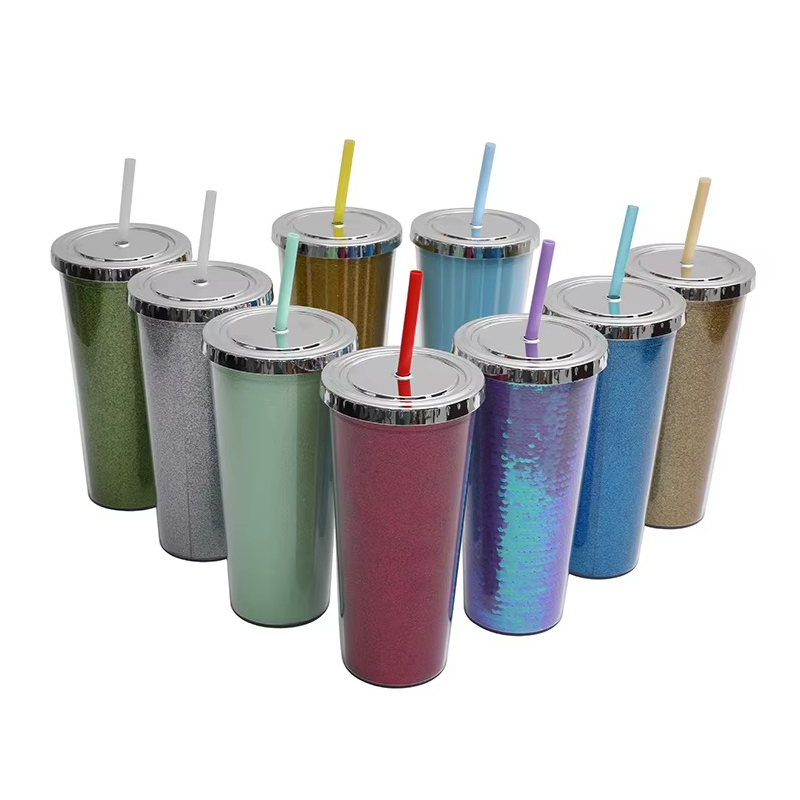
A straw can change the entire experience of a cup. If the opening feels awkward, the drink may not feel pleasant even when the cup itself looks fine. In Acrylic Cups with Straw, the straw design matters because it affects how naturally the user drinks.
A few details tend to matter in daily use:
Comfort is not only about softness or hardness. It is also about rhythm. People tend to use these cups when they want an easy drinking pace, not a careful one. If the straw feels natural, the cup becomes more convenient in daily life. If it feels loose or clumsy, the whole experience changes quickly.
For manufacturers, this is where small design choices carry weight. The cup body may look similar across products, but the drinking experience often depends on details that users notice only after repeated use.
In many daily settings, drinkware is not chosen through careful comparison. It is more often a result of habit, convenience, or what happens to be within reach. That is why Acrylic Cups with Straw often appear in places like desks, kitchen counters, or car cup holders without much deliberate decision behind it.
Glass cups still have their place, especially when presentation matters or when people sit down for a fixed meal. But in everyday movement, the situation changes a little. A cup that feels lighter and less demanding to handle tends to get picked more often.
Some moments where this difference becomes noticeable:
It is less about replacing one material with another, and more about how the cup fits into small interruptions throughout the day. In that sense, acrylic drinkware sits in a very casual middle ground.
Surface marks do not usually appear all at once. They build slowly, often without being noticed until the cup starts looking slightly different under light. For this type of cup, it is mainly linked to how it is placed, cleaned, and stored rather than any single action.
People often underestimate how small movements matter here. A spoon dropped into the same sink, a rough sponge, or stacking cups too tightly can all leave faint traces over time.
A few habits that quietly make a difference:
None of these are strict rules. They are more like small adjustments that reduce repeated contact between hard surfaces and the cup wall. Over time, that difference becomes visible in how the surface holds clarity.
Cleaning tends to look simple at first glance, but the presence of a straw changes the pattern slightly. Liquid does not always leave the cup evenly. It moves into narrow paths, pauses in corners, and sometimes stays longer than expected.
| Cleaning area | What tends to happen | What users usually do |
|---|---|---|
| Inner cup wall | Light residue from drinks | Quick rinse after use |
| Straw channel | Small buildup inside narrow space | Use a thin cleaning brush occasionally |
| Lid surface | Sticky spots from sweet drinks | Wipe during normal washing |
| Sealing edges | Hidden moisture after closing | Open and air dry instead of sealing immediately |
There is no need for complex cleaning routines. What matters more is timing. When cleaning happens soon after use, residue has not yet settled, so it comes off more easily. When it is delayed, even slightly, cleaning becomes more repetitive.
Some users also develop a rhythm without thinking much about it, like rinsing the straw while the drink is still fresh rather than waiting until later. That small habit often makes maintenance feel lighter.
Hydration is not always a planned action. In many environments, it happens in fragments rather than full drinking sessions. A sip between tasks, a pause during reading, or a quick drink while walking across a room.
This is where Acrylic Cups with Straw tend to appear naturally. The design supports short and repeated use without requiring much attention. There is no need to tilt the cup fully, and the drink remains visible throughout.
In everyday routines, they often show up in situations like:
It is not that the cup changes behavior. It is more that it matches existing behavior patterns. People tend to sip more often when the cup is already easy to reach and easy to use.
Over time, this creates a kind of quiet routine. The cup becomes part of the background of daily movement rather than something that requires planning or adjustment.

Yongkang Xiaoyu Industry & Trade Co., Ltd. is a professional manufacturer of travel mugs, plastic cups and insulated cups. It is mainly engaged in the design, manufacture and sales of plastic cups and thermos cups.
 Previous