 search
 English
 English
 Español
 русский
Industrial News
A Vacuum Bottle is usually expected to keep drinks in a steady condition for a long period, yet in real use the outcome is not always identical. The same bottle may behave slightly differently depending on how it is filled, how often it is opened, and even how it is carried during the day. These small variations are often overlooked, but they are exactly what shape the overall experience.
In practice, heat movement inside a sealed container is not completely isolated from the outside. Each interaction, such as opening the lid or changing environments, introduces small shifts. Over time, these shifts accumulate into noticeable differences in drink temperature and flavor perception.
What makes a Vacuum Bottle retain heat longer in real everyday use and what limits its performance in daily routines
Heat retention is closely related to how effectively the inner space is separated from external air movement. When that separation is stable, temperature tends to hold more steadily. However, everyday routines rarely keep conditions unchanged.
Some influencing elements appear more often than expected:
- Opening the lid even briefly allows internal air exchange
- Drinks with higher density tend to change temperature more slowly
- Movement during walking or driving can disturb internal balance
- Outdoor exposure creates uneven cooling patterns
The same container may therefore perform differently depending on context rather than structure alone.
| Situation | What usually happens |
|---|---|
| Quiet indoor use | Temperature changes slowly and evenly |
| Repeated opening | Gradual shift in heat level becomes noticeable |
| Cold environment | Cooling appears more quickly on contact surfaces |
| Mixed movement | Temperature behavior feels less predictable |
What stands out is not a sudden drop, but a gradual variation shaped by usage rhythm.
How does a Vacuum Bottle structure control temperature loss and what happens inside when hot water cools down
Inside the container, there is a separation layer that reduces direct heat movement. This space does not actively block heat, but slows its transfer. That difference is subtle but important.
When hot water is poured in, the internal process does not remain static. Heat begins to spread from the liquid toward the inner wall. The outer layer stays relatively stable because it is separated by a low-conduction space.
Over time, the process continues in a slow sequence:
- Initial heat contact with inner surface
- Gradual adjustment between liquid and inner wall
- Reduced transfer speed across separation space
- Slow alignment with surrounding temperature
There is no abrupt change inside. Instead, it behaves more like a delayed balancing process, where heat moves in stages rather than directly escaping.
Which materials inside a Vacuum Bottle influence taste stability and how do they affect coffee tea or water flavor over time
Taste stability is not only about the liquid itself. The inner surface and sealing components also play a role, especially when the same bottle is used for different drinks across days.
Some materials are designed to stay neutral, but repeated exposure can still leave traces depending on usage habits. This is more noticeable with stronger flavored beverages.
Typical influences include:
- Inner metal surface staying relatively neutral but reacting slightly over time
- Sealing parts interacting with aromatic liquids
- Small residue buildup affecting later drinks
- Cleaning routine consistency changing flavor clarity
Different drinks respond in different ways. Water usually remains stable, while tea and coffee tend to leave mild traces if not cleaned immediately. Milk-based drinks can create more noticeable residue if left for longer periods.
The interaction is not dramatic, but it becomes clearer with repeated cycles of use.
Why does a Vacuum Bottle sometimes feel different after repeated daily use and what changes inside the sealing system
With continuous use, small mechanical parts begin to adjust to repeated pressure and twisting. The sealing system is especially sensitive to this because it is involved in every opening and closing action.
The changes are usually gradual rather than sudden:
- Sealing rings may lose a small amount of elasticity after repeated compression
- Lid alignment can shift slightly depending on handling patterns
- Tightness may feel different if cleaning removes natural friction layers
- Temperature exposure can slowly influence flexibility
These effects do not mean failure of the structure, but they do explain why the feel of the bottle may change over time. In daily routines such as commuting or office use, these differences are easier to notice because usage frequency is higher and more consistent.
How to choose a Vacuum Bottle size based on commuting travel and office habits without overestimating daily needs
Choosing the size of a Vacuum Bottle often looks straightforward, but daily routines usually complicate the decision. What seems enough in a store can feel either slightly too large to carry or not quite enough after a normal day starts to unfold.
In commuting situations, drinking habits are usually split into small moments rather than one continuous use. That alone already changes what "enough capacity" actually means in practice. Office use tends to stretch this further, since people refill less and drink in small intervals throughout the day. Travel brings another layer, where movement, timing gaps, and access to refills are less predictable.
A few patterns tend to show up repeatedly:
- Short commuting routines often do not require a full fill
- Office environments usually involve slow, repeated sipping
- Travel situations feel more comfortable with some buffer capacity
- Heavier filling can become noticeable when carried for hours
| Usage pattern | What tends to happen in practice |
|---|---|
| Short commute | Smaller fill feels easier to manage |
| Office desk use | Gradual consumption across time |
| Longer travel | More reliance on stored volume |
| Mixed day use | Balance between weight and availability matters |
The decision is less about choosing a fixed number and more about how the bottle feels after repeated carrying and drinking cycles.
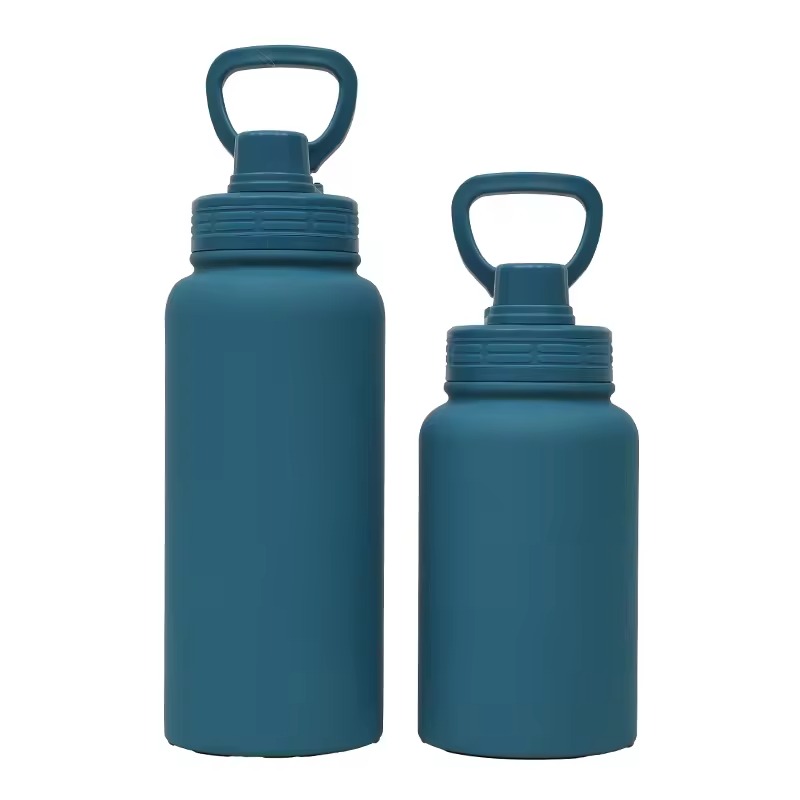
Where should a Vacuum Bottle be placed during travel to reduce leakage risk and improve convenience in real scenarios
During travel, placement often influences small but noticeable differences in comfort and stability. Even when sealing is reliable, repeated movement and pressure from surrounding items can still affect how the bottle behaves.
Inside a backpack, upright positioning usually keeps internal pressure more stable. Side placement may seem convenient, but it tends to expose the lid area to more contact with other objects. In moving vehicles, stability depends more on whether the bottle is held in place or allowed to shift slightly with motion.
Some situations worth paying attention to:
- Upright storage reduces unnecessary lid pressure during movement
- Tight packing around the cap area can slowly affect sealing feel
- Loose placement increases small impact events during travel
- Frequent repositioning adds more mechanical stress than expected
It is less about strict positioning rules and more about avoiding repeated pressure changes during movement-heavy periods.
When does a Vacuum Bottle start to show reduced insulation performance and what usage habits contribute to it
Changes in insulation performance are usually not obvious at first. It is more like a slow shift that becomes noticeable only after many repeated uses. The structure itself does not suddenly change, but the conditions it experiences start to vary more over time.
Daily habits often play a bigger role than expected. Opening the lid frequently, especially within short intervals, introduces repeated temperature exchange. Switching between very hot and cooler environments also adds small stress to the internal balance. Over time, these small changes build up into a slightly different feeling of heat retention.
Common contributing habits include:
- Repeated opening in short time periods
- Filling with very different temperatures back to back
- Leaving the bottle exposed to strong outdoor conditions for long periods
- Closing the lid with uneven pressure during busy use
What users usually notice is not a clear drop, but a gradual loss of consistency. The temperature feels less steady than it used to, especially during mixed usage days where conditions change often.
Tips for cleaning a Vacuum Bottle that prevent odor buildup and keep internal surfaces stable for different beverages
Cleaning habits often decide how stable the inside condition remains over time. The inner surface can stay neutral for a long period, but repeated use with different drinks gradually leaves behind subtle traces. These traces do not always show immediately, but they can accumulate quietly.
Rinsing soon after use helps reduce what stays on the surface. This becomes more important when switching between drinks with different aroma levels, such as coffee and tea. Sealing areas also deserve attention because moisture can remain there longer than expected.
A few simple habits tend to matter more than complex routines:
- Quick rinse after each use instead of delayed cleaning
- Paying attention to corners and narrow internal areas
- Separating cleaning focus between body and sealing parts
- Avoiding long storage with leftover liquid inside
Over time, odor issues are usually linked less to the material itself and more to how consistently the internal space is cleared after use.
 Previous