 search
 English
 English
 Español
 русский
Industrial News
Coffee mugs seem straightforward, but the production side is rarely that neat. Material choice, print method, shape, and usage context all pull in different directions. A Coffee Mug Supplier usually works through those pieces step by step, though not in a clean straight line. One detail changes, then another needs to be adjusted. That is often how the process moves.
Some orders are built around appearance. Others care more about handling, shipping, or how the mug will be used later. The direction is not always settled at the start.
What Coffee Mug Materials Mean for Daily Use and Buying Decisions
Material is usually where the real shape of the product begins. It affects feel, weight, durability, and how the mug behaves in daily use.
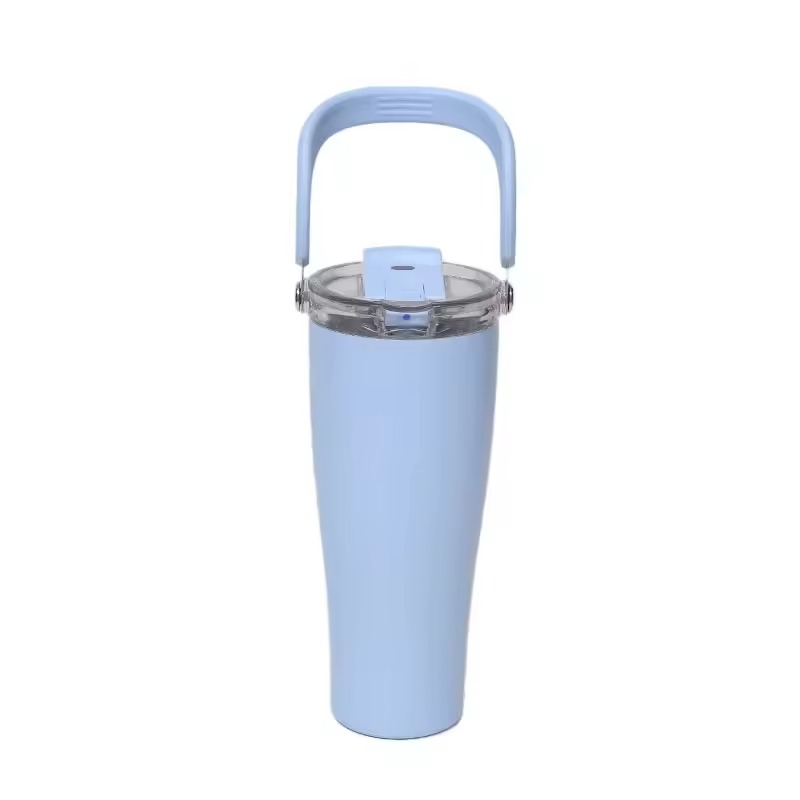
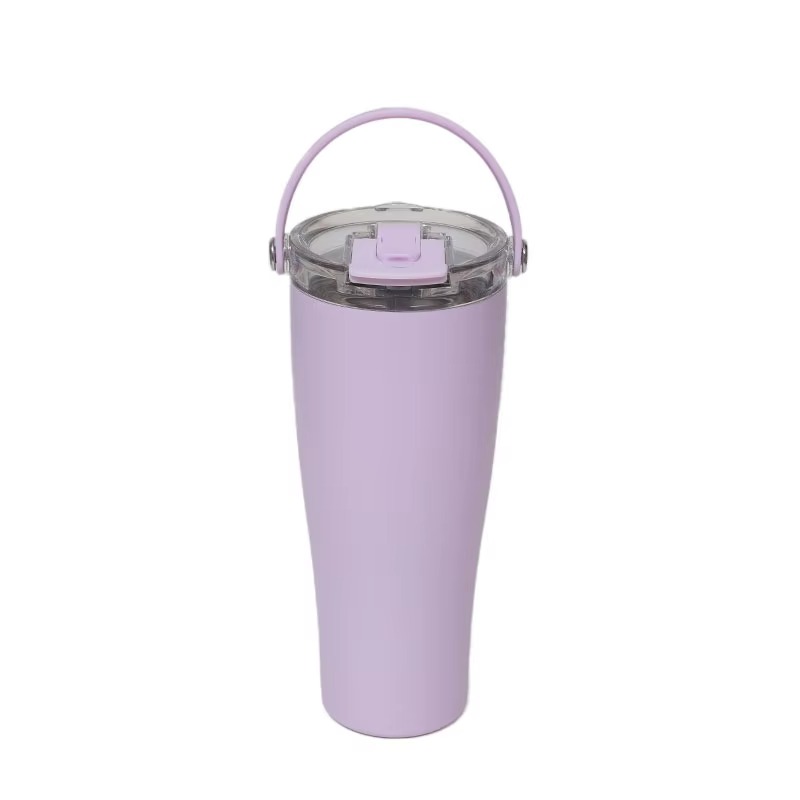
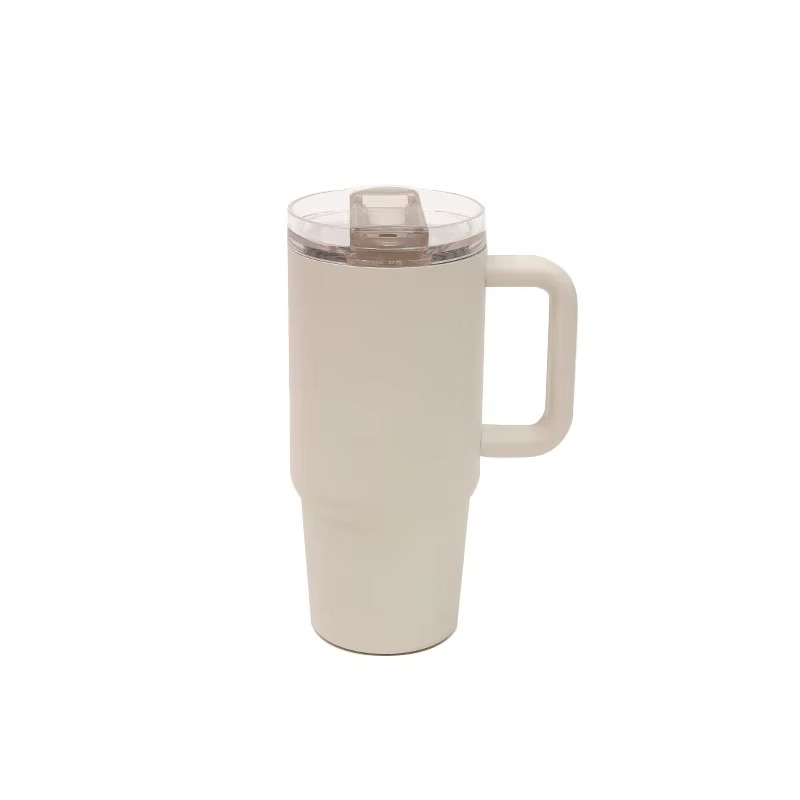
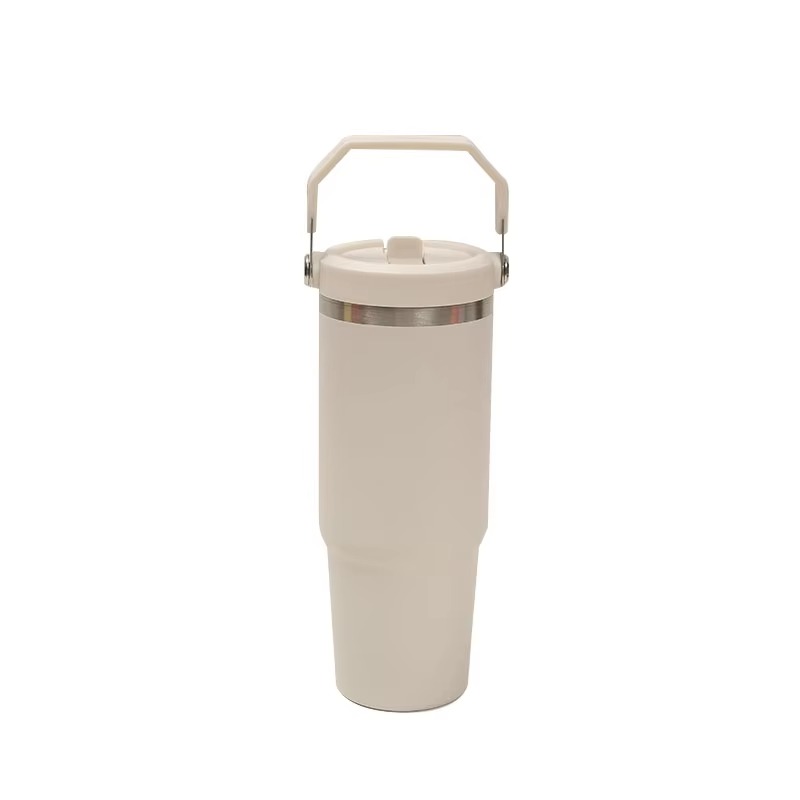
Ceramic is familiar and steady. It is common in indoor settings because it feels balanced in the hand and handles heat in a predictable way. Glass gives a different kind of use experience, mostly because the drink stays visible. That changes the look and sometimes the way people interact with it. Stainless steel sits in another category. It is often tied to mobility, stronger handling, and a different usage pattern altogether.
A Coffee Mug Supplier may test the same design in more than one material, especially when the final use case is not fully fixed yet.
| Material | Usual direction | Main point buyers notice |
|---|---|---|
| Ceramic | Indoor use | Stable feel, heat handling |
| Glass | Serving and display | Visibility, careful handling |
| Stainless steel | Travel or movement | Resistance, temperature control |
How Coffee Mug Suppliers Handle Custom Logo Printing for Different Brand Needs
Printing is where the design starts dealing with the real surface, and that is where small issues often appear.
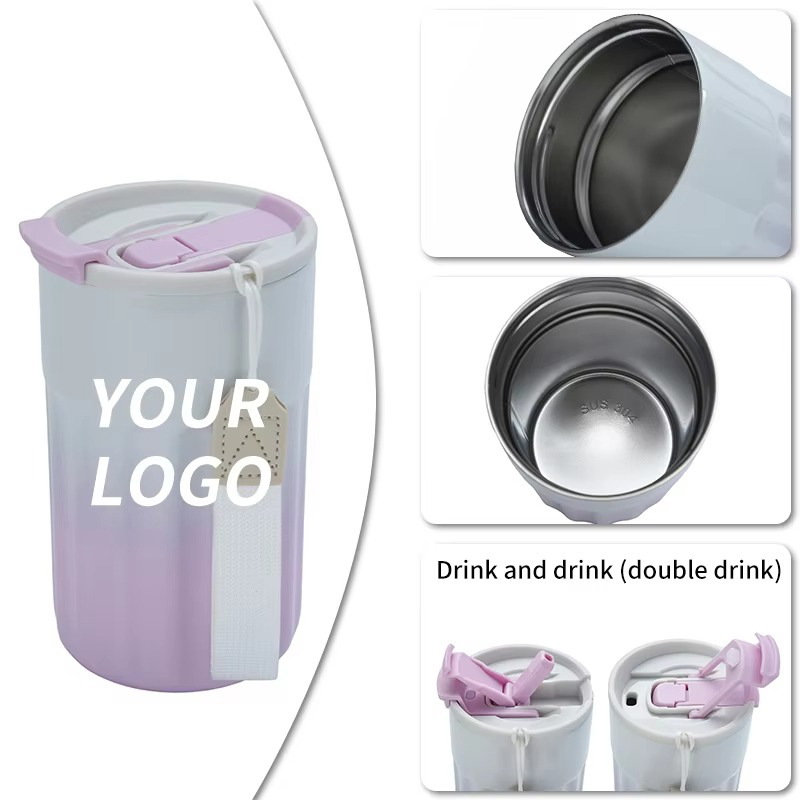
Simple logos can usually be handled without much trouble. Once the artwork gets more layered, the method changes. Fine detail, color blending, or curved placement may all need separate treatment. In some cases, a printed result is not the right fit at all, so the process shifts toward engraving or another surface-based option.
A Coffee Mug Supplier often chooses the print route based on how the mug will be used later. A gift item and a product meant for frequent washing do not always need the same approach.
A few details usually come up during this stage:
- Positioning on the curve of the mug
- How the color looks on different surfaces
- Whether the print area needs to be trimmed or shifted
These checks are easy to overlook, but they matter more than they first seem to.
Which Coffee Mug Design Styles Match Office Gift Retail and Coffee Shop Markets
Design does not land the same way in every setting. A style that feels clean in one place may feel plain in another, or even out of place.
Office use usually stays on the quieter side. The look is often simple, but not necessarily bare. Small graphic elements can still work if they do not take over the surface. Retail shelves give more room for variation, so the same product can carry bolder color or theme changes. Coffee shops lean more toward consistency with the space around them.
That is why the same mug shape can move through different channels without needing a full redesign.
A Coffee Mug Supplier will often keep the base product the same and make smaller shifts in tone or decoration instead.
Where Coffee Mug Production Happens and How It Affects Delivery and Cost Planning
Production location changes more than shipping distance. It also shapes how fast the whole order can move from one stage to the next.
Some production setups allow quick feedback. Others are slower, and even small changes can take a few extra steps. That affects planning before the order is even placed.
A Coffee Mug Supplier usually has to work around that. Material prep, forming, printing, and packaging may sit in different parts of the process, and they do not always move at the same speed. The workflow is linked, but not perfectly smooth.
Cost planning follows the same pattern. It is shaped by how many steps are involved, how much adjustment is needed, and how the finished item will be packed for shipment.
When Buyers Should Plan Coffee Mug Bulk Orders for Seasonal and Promotional Demand
Timing matters more than many buyers expect. A mug order may look simple on paper, but once it moves into production, there is very little room for loose planning. Seasonal demand, gift campaigns, and brand promotions often create pressure at the same time, so the order window needs to be decided early.
The main issue is not only production speed. Shipping, packing, and sample approval also take time, and these steps rarely move at the same pace. When the calendar gets crowded, small delays tend to spread. That is why buyers often start planning before the demand peak becomes visible.
A Coffee Mug Supplier usually pays close attention to order timing because late changes can affect the whole flow. For that reason, bulk planning is often less about volume and more about how soon the process starts.
How Coffee Mug Suppliers Manage Small Batch Orders and Sample Development Process
Small batch orders are useful when the buyer is still testing the market or checking whether a design feels right in physical form. The sample stage is where many details become clearer. A screen image may look fine, but once it is applied to an actual mug, the spacing or color tone can feel different.
This is one reason sample work matters. It gives both sides a chance to adjust without turning the whole order into a larger problem later.
A few things usually happen in this stage:
- The size and shape are checked against the intended use.
- The print position is reviewed on the actual surface.
- Color, gloss, and finish are compared with the original plan.
A Coffee Mug Supplier often treats sample development as a practical test rather than a separate formality. It helps reduce uncertainty before larger production begins.
What Packaging Options Coffee Mug Suppliers Offer for Retail and E Commerce Channels
Packaging does more than protect the mug. It also affects how the product is received before it is even opened. Retail and online channels usually need different packaging logic, so the same mug may be packed in more than one way depending on where it is sold.
Retail packaging tends to focus on shelf appearance. E commerce packaging leans more toward protection during transport. The balance is not always easy, because a package that looks good may not travel well, and a strong shipping box may not suit display needs.
| Packaging type | Main use | What buyers pay attention to |
|---|---|---|
| Simple box | General packing | Basic protection and storage |
| Gift box | Retail or gifting | Presentation and appearance |
| Reinforced mailer | Online shipping | Damage control during transit |
A Coffee Mug Supplier usually chooses packaging according to the channel first, then adjusts the outer look if needed. That order matters more than it seems.
Why Quality Control Steps Matter in Coffee Mug Production and How Suppliers Implement Them
Quality control is where small problems are caught before they turn into larger ones. In mug production, the issues are often visual at first: a shifted logo, uneven coating, a surface mark, or a small difference in shape. None of these looks serious on its own, but together they affect how the order is received.
Checks usually happen at more than one point. Raw materials are reviewed first, then the product is checked again during production, and one final inspection comes before packing. That layered approach is common because a problem can appear at any stage.
A Coffee Mug Supplier often uses this process to keep batch differences under control. The aim is not to create a flawless product in theory, but to keep the final output steady enough for real use and resale.
What matters most is consistency. Buyers usually notice when one mug feels different from the rest, even if the difference is small.
 Previous